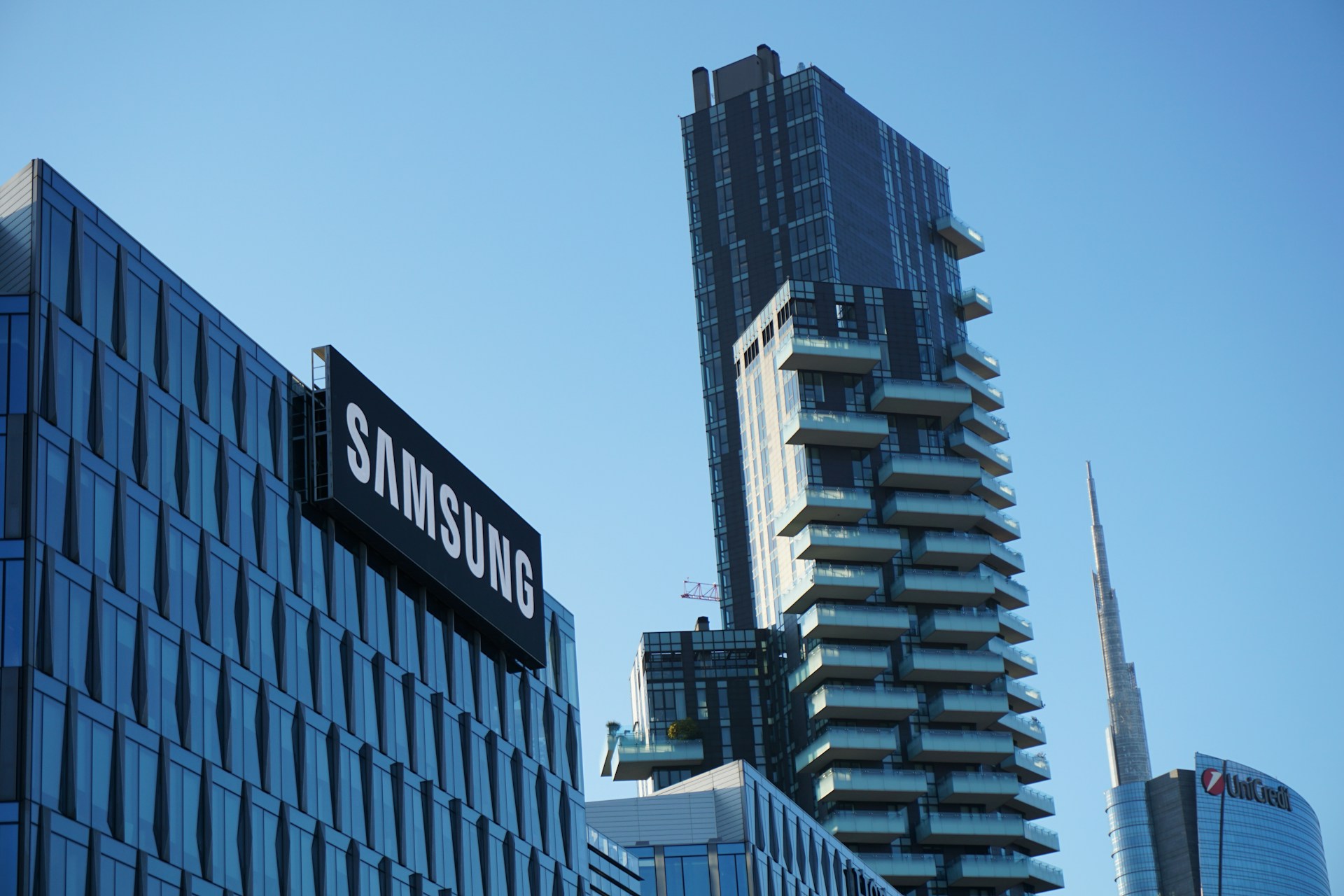
Samsung Electronics expects a steep 56% decline in its second-quarter operating profit, signaling continued struggles in its semiconductor division. The company projected Q2 operating profit of 4.6 trillion won ($3.36 billion), missing analysts' estimates of 6.2 trillion won. This marks its weakest performance in six quarters, compared to 10.4 trillion won a year ago and 6.7 trillion won in Q1 2025.
The world's largest memory chipmaker cited weak AI chip sales and U.S. restrictions on advanced chip exports to China as key factors. However, analysts pointed to delayed shipments of high-bandwidth memory (HBM) chips to Nvidia (NASDAQ:NVDA) as a major cause. While Samsung had previously indicated progress on its HBM3E 12-layer chips, the company provided no update on shipments to Nvidia, stating only that evaluation was ongoing.
Rivals SK Hynix and Micron (NASDAQ:MU) have gained from strong U.S. demand for AI-driven memory chips. Samsung, with higher exposure to China, faces increasing competition and regulatory hurdles. Concerns also linger over potential U.S. tariffs and ongoing pricing pressure, which could hurt margins.
Despite the weak outlook, Samsung shares rose 0.4% on Tuesday, trailing the 1.5% gain in Korea’s benchmark KOSPI. The company confirmed a 3.9 trillion won ($2.85 billion) share buyback, part of a 10 trillion won program launched in November 2024.
Samsung’s revenue is estimated to decline slightly by 0.1% to 74 trillion won. The Device Solutions division, which includes its core chip business, suffered due to inventory valuation losses and U.S. export restrictions. The foundry unit also posted losses but expects recovery in the second half as utilization improves. Full earnings details will be released on July 31.