


 Citi Upgrades Galaxy Digital Stock, Raises Price Target to $28
  Fed's Hammack Urges Faster Rate Hikes to Fight Inflation
  New York Times, AFP Join Coalition to Protect Content From AI
  Trump Defends Russian Diesel Deal Amid US Sanctions Backlash
  China Resumes US Soybean Purchases After Trump-Xi Summit
  Ripple Mints 19.6 Million RLUSD Amid Banking Expansion
  Gaza Olive Harvest Collapses as War Destroys Farmland
  Arm Breaches Qualcomm License Deal, Jury Awards $2
  Asian Stocks Fall as Oil Prices Rise Ahead of US CPI Data
  NEAR Protocol Leads AI Crypto Rally Amid Fed Rate Hike Fears
  Oil Prices Mixed as Russia Diesel Deal and Houthi Attacks Raise Supply Concerns
  Bumble Shares Surge 50% on $1 Billion Buyout Talks
  Nvidia Invests in Four French AI Companies to Expand European Presence
  US Dollar Slips From 18-Month High Ahead of Key Inflation Data
  China Bank Lending Rebounds in September, Beats Forecasts
  ASML Raises 2026 Sales Forecast as AI Chip Demand Surges


 Add as a preferred source on Google
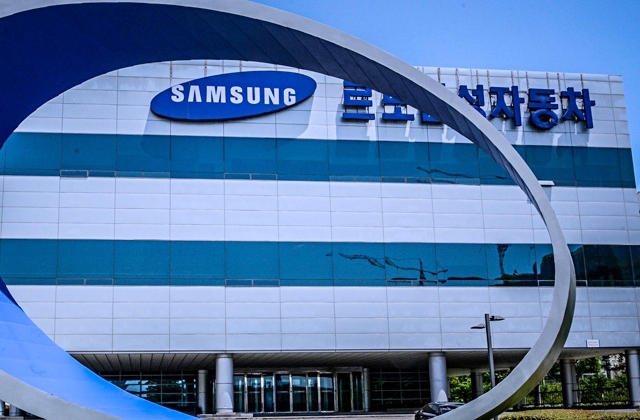
Samsung recently confirmed that it will be making its exit in the auto business. The company was said to have made the decision to end its 26-year venture with Renault.
The announcement about its departure from this line of business came just a few days after Samsung’s vice chairman and heir, Lee Jae Yong, was granted parole and regained his freedom after months of imprisonment.
According to The Korea Times, it was revealed on Thursday, Aug. 19, through a regulatory filing to the Korea Exchange, that Samsung Card, Samsung Group's card issuance subsidiary, is poised to sell all the stake it owns in Renault Samsung Motors.
"Samsung Card is in the process of selling the company-owned 19.9% stake in Renault Samsung Motor,” part of the statement in the filing reads. “But other specifics such as the type of stake sale and form of due process have yet to be decided."
Then again, it was reported that Samsung Card’s plan to sell its stake may not be easy because Renault Samsung is not financially sound as of this moment. It was added that its corporate sustainability is not in good shape as well, so the sale may encounter many hurdles.
In fact, the auto company was said to have lost around ₩79.6 billion in operating costs last year. It turned out that this was the firm’s first loss in the last eight years.
There are people who are saying that Samsung Card is withdrawing from its venture with Renault due to today’s rapid transition to electric vehicles, but this could not be confirmed. At any rate, a source said that Samsung Card will not be selling its stake at a high price.
The company already sent out invitations for bids to private equity funds (PEFs) and other local and foreign financial investors.
Meanwhile, The Korea Economic Daily reported that Samsung Card’s stake sale was already expected due to Renault Samsung’s poor performance that leads to low earnings. On top of this, it was pointed out that the auto firm has a strained relationship with its own labor union. These internal company issues were said to have been negatively affecting its sales in South Korea and overseas, and the decline is continuing.







