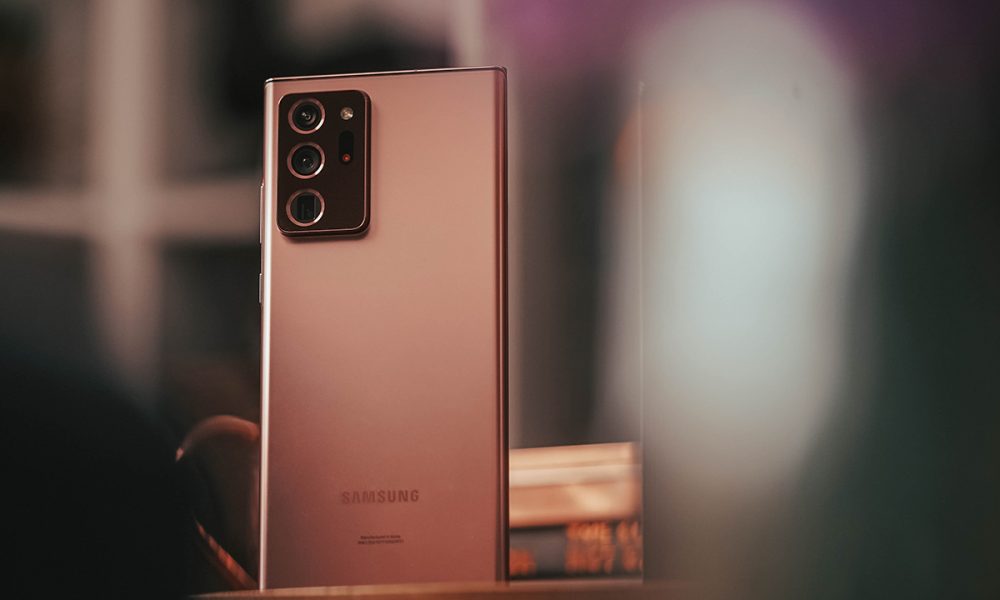
Samsung Electronics Co. accounted for a 22 percent share of the global smartphone market in August, edging Huawei with a 16 percent share to become the world's top smartphone vendor.
The six percent gap between the two vendors is the largest since February when China's was severely hit by COVID-19 lockdowns.
Samsung ceded its top vendor status to Huawei in April, but it recaptured the position after a recovery in the Indian smartphone market, which is the world's second-largest.
Samsung has been expanding in India, where there is growing anti-China sentiment following a border clash between the two countries.
Apple Inc. was at third spot with a 12 percent share, followed by Xiaomi Corp. with an 11 percent share.
The US ban on Huawei for the supply of semiconductors made with its equipment, software, and design without prior approval is expected to give a good opportunity to other brands.



Texas Man Charged After Fatal Tesla Full Self-Driving Crash in Katy
EU Chip Industry Faces Growing Risks From China Export Controls and U.S. Technology Dependence: Report
Samsung to Invest $90 Billion in South Korea to Expand AI Chip, Display, and Battery Production
Norway Offshore Oil Workers Reach Wage Deal, Averting Strike
Meta Cloud Ambitions Could Challenge AWS, Azure, and Google Cloud, Says Morgan Stanley
OpenAI Proposes 5% U.S. Government Stake Amid AI Policy Talks
Meta CEO Zuckerberg Says AI Agent Development Has Slowed Despite Massive AI Investment
TetherMax Rebranding Highlights Official Exchange Partnerships as Foundation of Trust
AI Memory Chip Shortage Likely to Persist Despite Korea Investment Boom, Nomura Says
BHP Workers Approve New Labour Agreement at WA Iron Ore Operations
DOJ Seeks Dismissal of Fraud Charges Against Gautam Adani in U.S. Court
Northern Star Appoints New CEO as Activist Elliott Pushes for Leadership Overhaul
Apple Expands iPhone Lineup, Boosts Foldable iPhone Production Plans Through 2027
Anthropic Tightens AI Access Controls After Reports of China-Based Workarounds
Citi Raises TSMC Price Target as AI Chip Demand Strengthens Growth Outlook 


