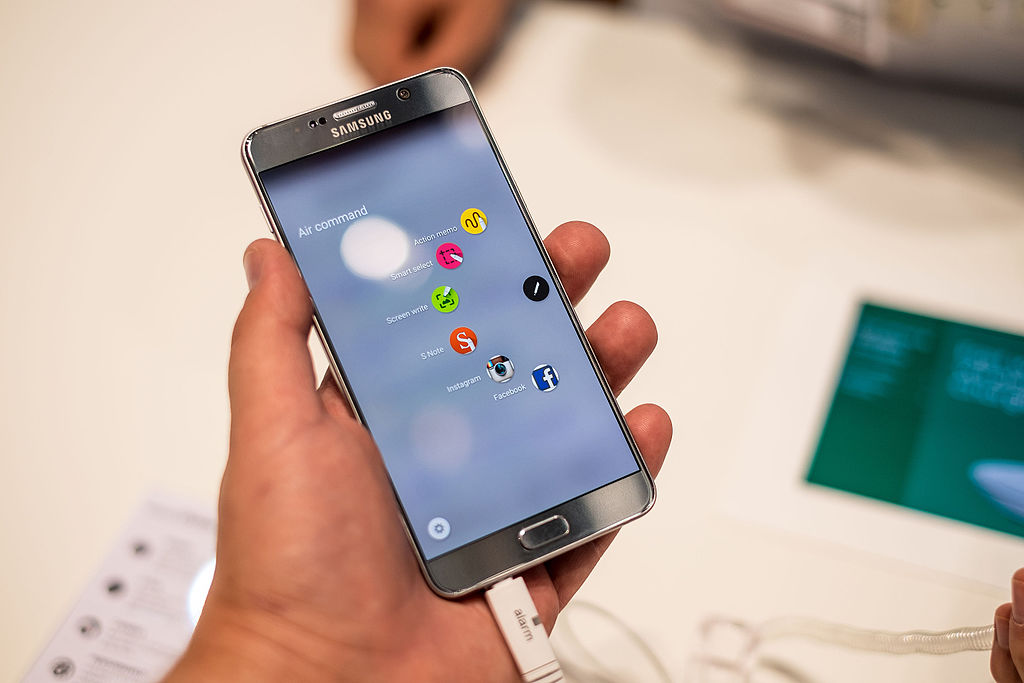
Samsung’s standing within the smartphone community took a bad hit when its highly-praised Galaxy Note 7 phablets started catching on fire. When the company decided to issue one of the biggest recalls in the industry and offered to replace the affected units for free, there was still a chance to recover from the debacle. Now, it has come to light that even the replacement units are exploding, which could be the last nail in the Note 7 phone’s coffin.
Right now, Samsung has put the production of its advanced phablets on hold. The order was given after the recent string of incidents where the units that were supposed to be safe have been blowing up, The Wall Street Journal reports.
Regulators are already looking into the matter to find out exactly what has been going on. In the meantime, Samsung has asked retailers and carriers to stop the sale of the Note 7 units in the U.S., South Korea, and China.
The South Korean smartphone maker has been down this road before, during the first recall of its phablet. At the time, it was determined that the problem involved defective batteries from one of its providers, which reportedly affected only a small fraction of the phones. The replacement units were meant to be free of this problem.
Lowell McAdam, chief executive at Verizon also spoke about the matter during a conference held at Menlo Park, California. He noted how he has never seen anything like what Samsung is going through right now in his many decades in the industry.
With the recent incidents, Samsung’s ability to diagnose the problem and come up with a fix is now in question. In an attempt to save some shred of its reputation, it would seem that the company has avoided using the word “recall,” even though this is exactly what is happening, The Verge notes.
Its aversion to the word is understandable, given how skittish its investors are becoming. However, it was still an inevitable recourse for Samsung, particularly with incidents involving replacement Note 7 handsets reaching five just last week.