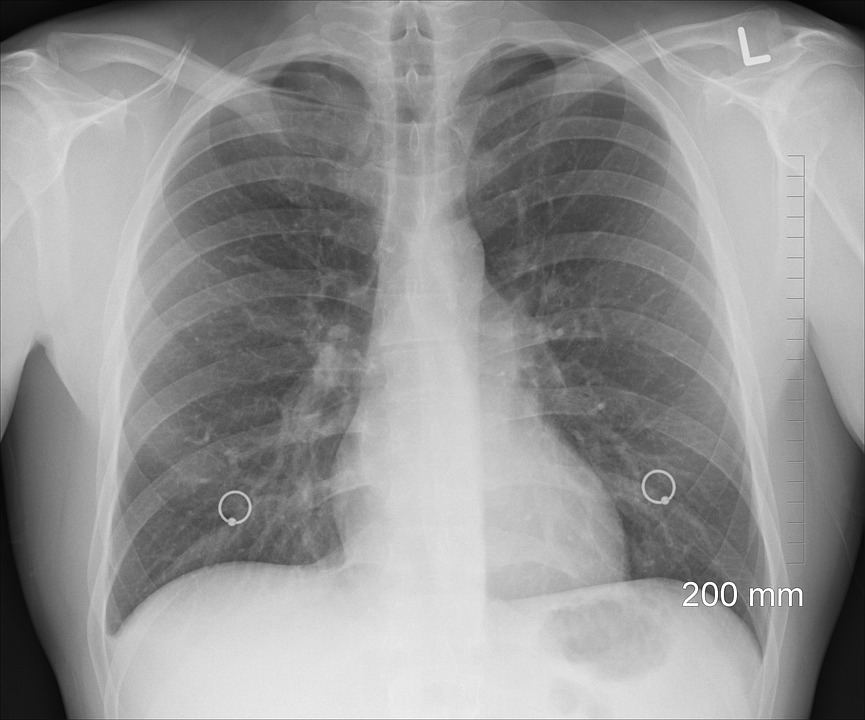
At this point, it’s no secret that being placed on the organ transplant list is no guarantee of survival if patients are in need of a new heart, or liver, or lung. One of the ways that this problem can be solved is by reconstructing damaged organs so that they don’t need to be replaced, to begin with. In a new breakthrough, scientists have found a new way of bioengineering lungs, which could save thousands of lives.
The breakthrough is courtesy of researchers from the School of Engineering and Applied Science at Columbia University, Futurism reports. They were able to preserve the vascular network of a lung that they were creating a scaffold for. In addition, the researchers were able to do this by also getting rid of the damaged epithelial lining and then replaced it with healthy cells.
As achievements go, this is a huge win for the medical community as it can substantially change how lung diseases can be treated in the future. What’s more, it could dramatically reduce the number of people who die from respiratory diseases, including lung cancer.
In a press release, the study’s project leader Gordana Vunjak-Novakovic explains exactly why the replacement of the epithelial lining is so important.
"We reasoned that an ideal lung scaffold would need to have perfusable and healthy vasculature, and so we developed a method that maintains fully functional lung vasculature while we remove defective epithelial lining of the airways and replace it with healthy therapeutic cells. This ability to selectively treat the pulmonary epithelium is important, as most lung conditions are diseases of the epithelium," Vunjak-Novakovic said.
What makes this breakthrough really special is how it will have an immediate impact on the survival rates of those that require a lung transplant. With just 20 percent of donor's lungs actually being viable for transplants, there is currently a severe shortage that this new method can cure.