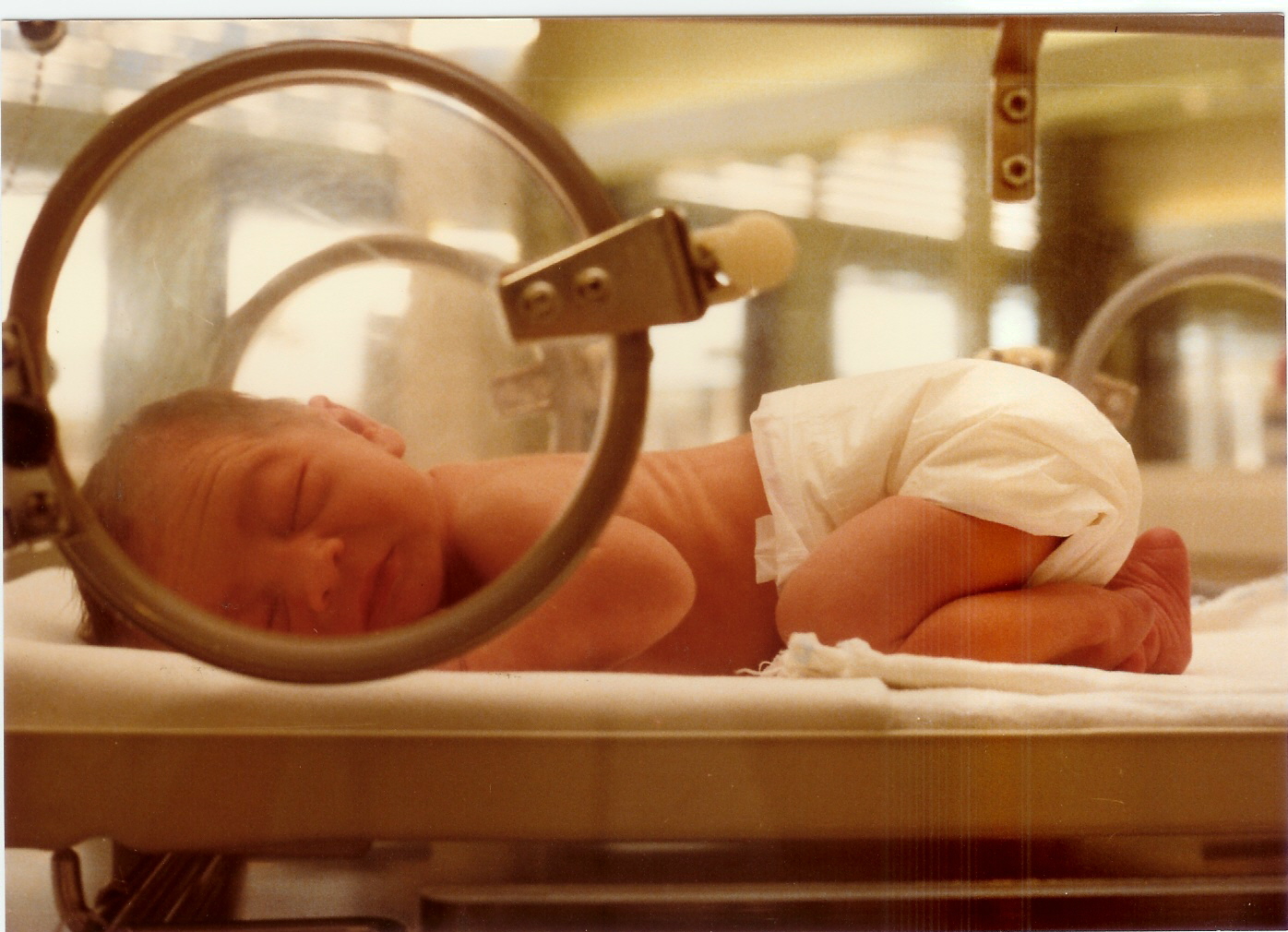
The field of genetics has always promised revolutionary cures for even the most deadly of diseases. Recently, scientists fulfilled that promise in at least one area by curing two babies who were suffering from leukemia through genetic engineering. This opens the door for multiple applications, potentially providing the world with a way to cure all diseases.
The incredible medical development was made at the Great Ormond Street Hospital in London, England where doctors announced that they were successful in curing the leukemia of two infants when conventional treatments failed, Futurism reports. The doctors basically injected the patients with genetically modified cells, which fought cancer in a more specific format.
On a more astounding note, the doctors also used what’s called “off-the-shelf” genetically modified T-Cells, which are basically a one size fits all kind of deal. It’s similar to how antibiotics work, which attacks a wide range of bacteria species that commonly infect patients. Only, in this case, it’s meant for cancer cells.
The cells are then injected into the IV drops that the patients are already on, thus giving their blood cells some reinforcements to fight off the diseases. Of course, the more technical details go much deeper than that, as the team’s published paper explains. It still doesn’t change the fact that when it comes down to it, the doctors basically made a cure-all for cancer.
As impressive as the implications of this kind of treatment might be, what with the possibility of only having one sure cure for leukemia and other types of cancer, it is still very much in its infancy. With that said, the two babies getting cured of cancer does offer hope that someday soon, everyone can receive the same treatment. This will certainly save cancer patients a lot of pain that they would have had to endure with treatments like chemotherapy.