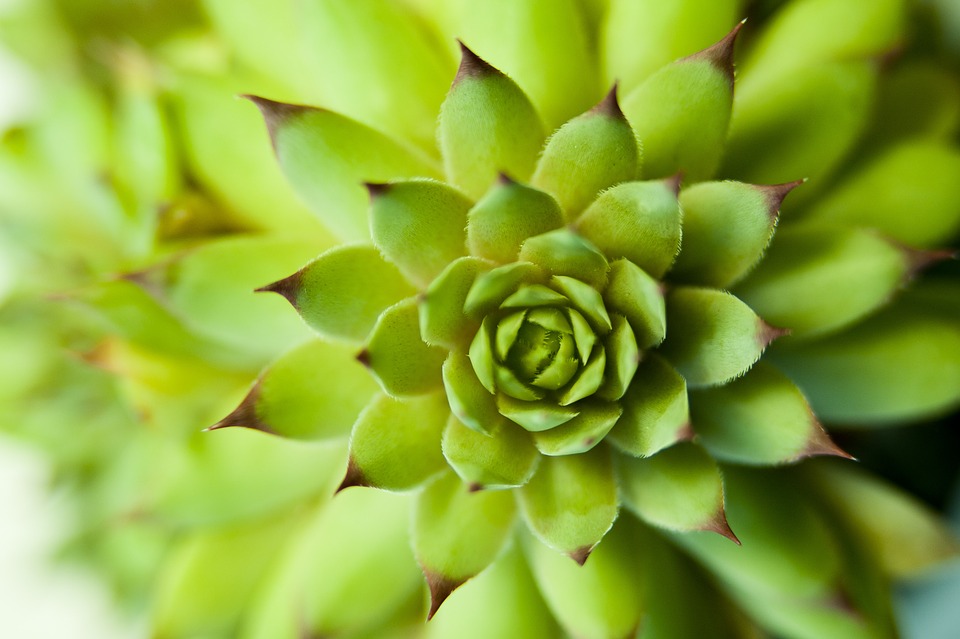
Plants are already some of the best natural carbon scrubbers in the world, in that they help to reduce the presence of carbon in the atmosphere by sucking them in. However, thanks to widespread deforestation and desertification, the planet has lost thousands of acres of forests since the industrial revolution. While some are focusing on planting as many trees as possible to counter this issue, other scientists are thinking about engineering plants that can store even more carbon.
The project is the brainchild of Joanne Chory’s group, an award-winning plant biologist who has contributed much to the improved understanding of how plants can have so many uses. She and scientists at her lab, Salk Institute for Biological Studies, are looking at using the substance called suberin to create such plants, Futurism reports.
Suberin is basically a substance with waxy properties that can be found in cork trees and is apparently non-biodegradable, Popular Mechanics recently reported. While non-biodegradable objects are not normally associated with benefiting nature, this property could mean that the substance would enable plants to store carbon for a long period of time.
Using cross-breeding techniques, the researchers are trying to create plants that would be able to produce suberin in high amounts, which would mean that they would be able to suck a lot more carbon from the atmosphere. This is different from how normal plants work, which eventually release the toxic gas into the air.
The hope is that combined with increased tree planting efforts and the creation of plants that are capable of storing higher amounts of carbon for a significantly longer period, the carbon levels in the atmosphere can be reduced. If added to the reduction of carbon emissions that countries are not implementing, the project could eventually lead to normalization of carbon levels in the atmosphere.