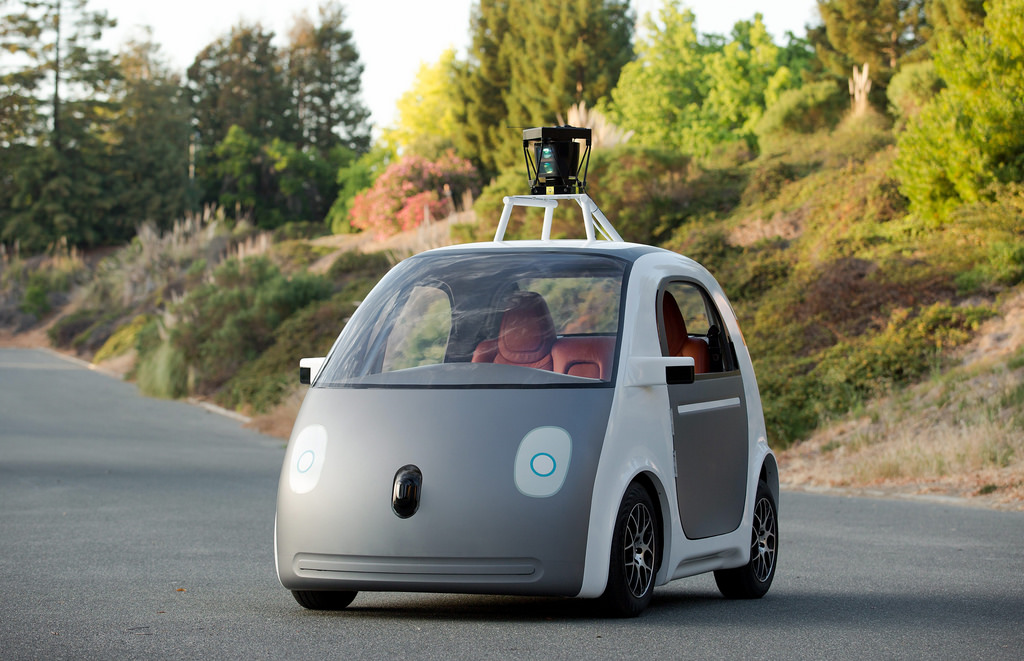
Auto industry companies have just recently been given cause to rejoice as the Senate finally gave self-driving tests on US roads the green light. While there are still some regulations that driverless car pioneers need to adhere to, many of the more cumbersome red tapes have been removed. This means that car companies could start selling as many as 100,000 driverless cars a year over the next few years.
Industry giants like Tesla, Ford, GM, and even Google have been trying to convince legislators to relax some of the regulations surrounding self-driving cars for years, now. Finally, with the huge advancements in autonomous technology, both Congress and Senate politicians have agreed to do so. The new legislation is still subject to change, The Hill reports, but it’s a huge step in the right direction.
Among the biggest complaints that car companies have with regards to regulations are those found on a state level. Having to contend with different local laws is slowing down the development of effective autonomous driving technology and adoption of self-driving cars.
This is a shame because, according to experts, driverless vehicles stand a much better chance of reducing traffic fatalities. This is exactly what Senate Commerce Committee Chairman John Thune (R-S.D.) and Sen. Gary Peters (D-Mich.) noted in their joint statement when they announced the Senate’s decision to give the bill the go-ahead.
“While this Senate self-driving vehicle legislation still has room for further changes, it is a product of bipartisan cooperation we both stand behind. Ultimately, we expect adoption of self-driving vehicle technologies will save lives, improve mobility for people with disabilities, and create new jobs,” the statement reads.
Once everything is set, car companies can start producing up to 25,000 self-driving cars during the first year, Futurism reports. After the technology takes off and companies provide proof that driverless vehicles are safe via regular safety reports, that number goes up to 100,000 a year in three years.