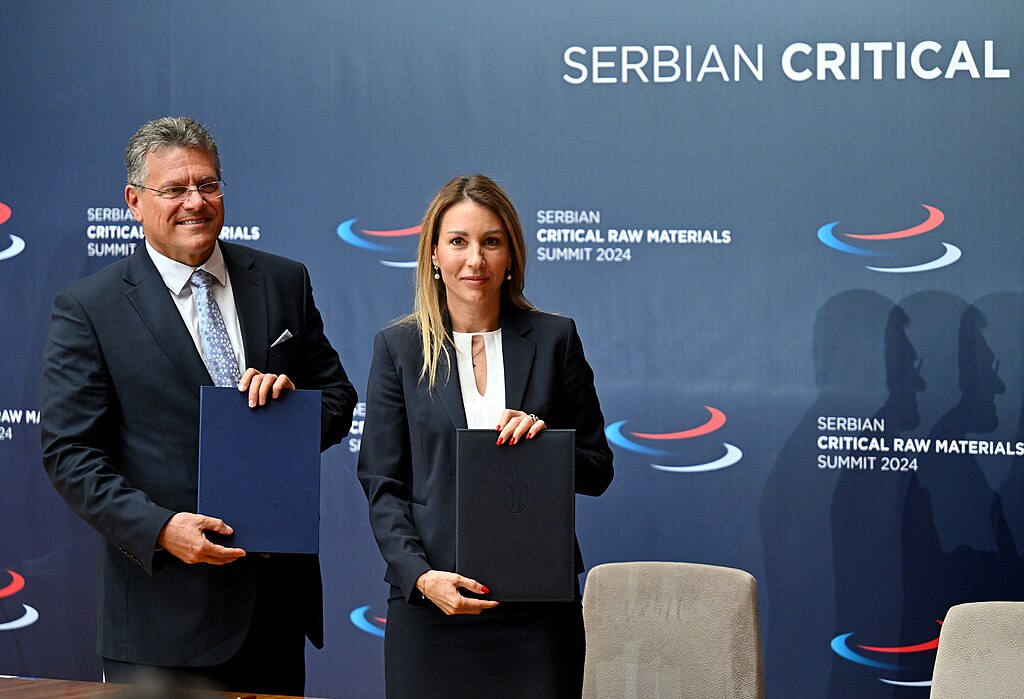
Serbia's negotiations with the United States over delaying sanctions on Russian-owned oil company NIS have hit significant roadblocks, according to Serbian Mining and Energy Minister Dubravka Djedovic Handanovic. Speaking on state broadcaster RTS, she emphasized the challenge of navigating diplomatic tensions between Russia and the U.S. as Serbia seeks to protect its energy interests.
NIS, which operates Serbia’s only oil refinery and meets most of the country’s oil demand, is majority-owned by Russia’s Gazprom Neft and Gazprom. With the fourth U.S. sanctions reprieve set to expire on July 29, Serbia’s energy security hangs in the balance. “Negotiations are quite tough,” said Handanovic, citing Serbia’s difficult position between two global powers.
The U.S. Treasury's Office of Foreign Assets Control first imposed sanctions on Russia’s oil sector on January 10, requiring Gazprom Neft to divest from NIS within 45 days. To sidestep sanctions, Gazprom Neft transferred a 5.15% stake in NIS to Gazprom in February. Currently, Gazprom Neft owns 44.85%, Gazprom holds 11.3%, and the Serbian government retains 29.87%, with the rest owned by smaller shareholders.
NIS imports about 80% of its crude via Croatia’s Janaf pipeline, with the rest sourced domestically. A halt in operations due to sanctions could severely disrupt Serbia’s energy supply.
Minister Handanovic stressed Serbia’s intent to continue diplomatic efforts to avoid further geopolitical fallout. The U.S. Treasury has not commented on the ongoing talks.