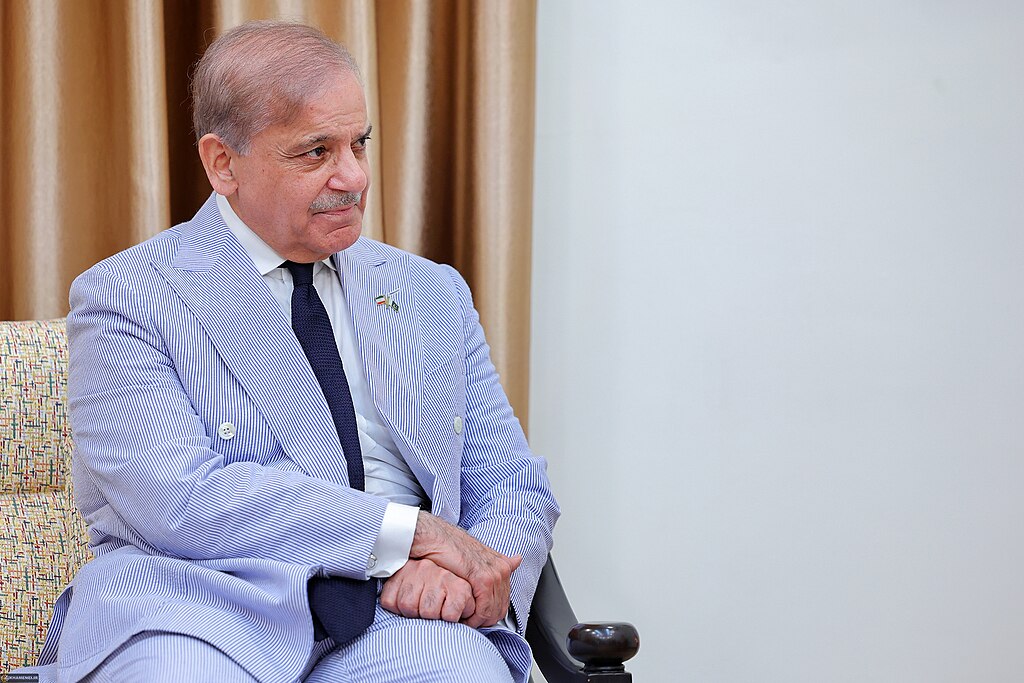
Pakistan’s Prime Minister Shehbaz Sharif has expressed appreciation to former U.S. President Donald Trump for agreeing to extend the ceasefire in the ongoing U.S.-Israeli conflict involving Iran. The decision aims to provide more time for diplomatic negotiations, signaling a potential pathway toward de-escalation in a region marked by heightened tensions.
In a statement shared on X (formerly Twitter), Sharif emphasized the importance of continued restraint from all parties. He noted that the extension offers a critical window for diplomacy to progress, particularly as preparations are underway for a second round of peace talks scheduled to take place in Islamabad. These discussions are expected to focus on achieving a long-term resolution and preventing further escalation of the conflict.
Sharif conveyed optimism that both sides would honor the ceasefire agreement and actively engage in negotiations to reach a comprehensive peace deal. He highlighted the significance of sustained dialogue, stating that diplomatic efforts remain the most viable path toward stability in the region. The Prime Minister’s remarks underscore Pakistan’s role in facilitating dialogue and promoting peaceful solutions amid global concerns over the conflict.
Donald Trump announced the extension of the ceasefire, indicating that it would remain in place until Iran submits a formal proposal as part of the negotiation process. This move is seen as an effort to encourage constructive engagement and allow all stakeholders to present their positions in a structured manner.
The extension of the ceasefire has drawn international attention, with many viewing it as a positive step toward reducing hostilities. As the world watches closely, the upcoming talks in Islamabad are expected to play a pivotal role in shaping the future of the U.S.-Israel-Iran situation. Continued cooperation and commitment to diplomacy will be essential in achieving lasting peace and regional stability.