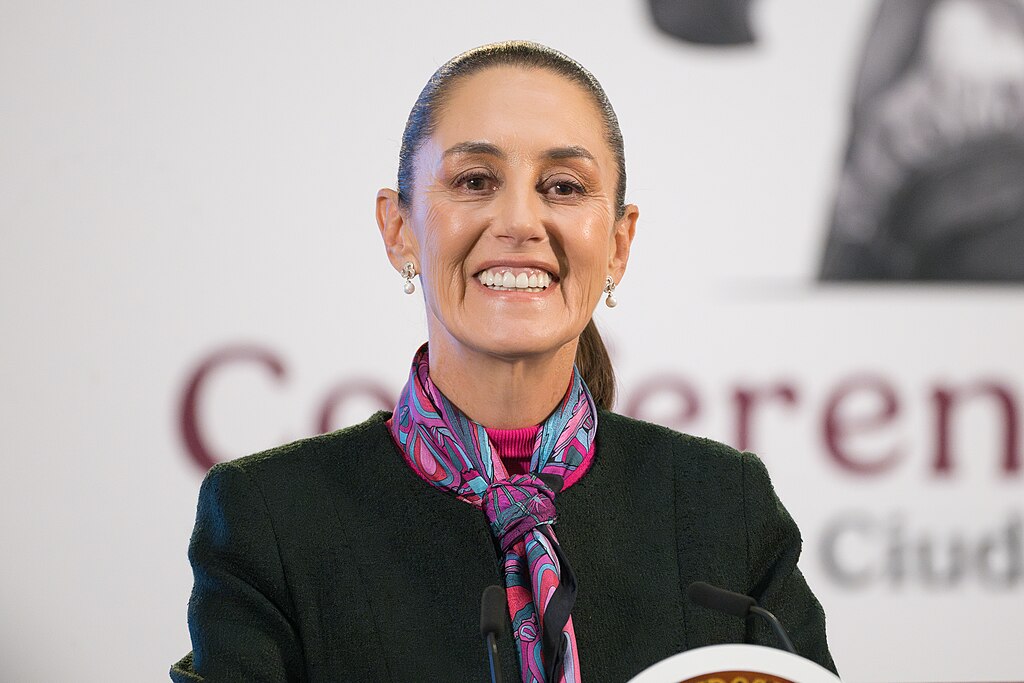
Mexican President Claudia Sheinbaum firmly rejected a proposal from U.S. President Donald Trump to deploy American troops to Mexico to combat drug cartels, citing national sovereignty. The proposal came during recent security discussions between the two leaders, as reported by The Wall Street Journal on May 2.
Speaking at a university event near Mexico City, Sheinbaum said Trump suggested sending the U.S. Army to help fight drug trafficking. She recalled telling him, “No, President Trump, sovereignty is sacrosanct. Sovereignty is not for sale—it is loved and defended.” While emphasizing a willingness to collaborate with the U.S., she made clear that foreign military presence on Mexican soil is unacceptable.
A spokesperson for the U.S. National Security Council responded, saying Trump has been clear that Mexico must do more to stop drug cartels and that the U.S. is prepared to increase bilateral cooperation. The NSC added that both leaders have worked closely to maintain a secure southwest border, but threats from foreign terrorist organizations and the fentanyl crisis remain a concern.
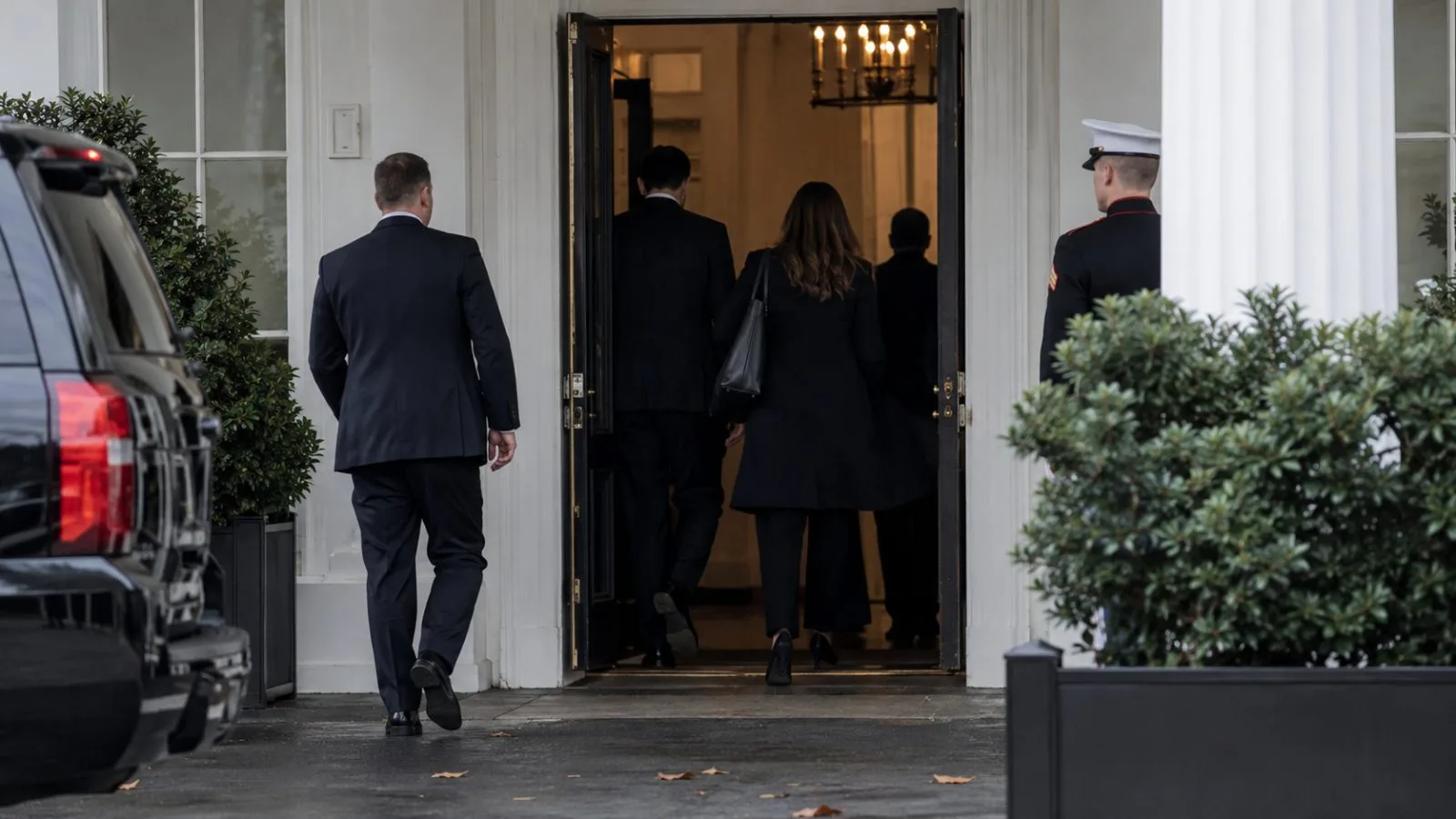
The White House has not confirmed whether Trump explicitly raised the issue of troop deployment. The WSJ also reported tensions escalated during an April 16 call, when Trump pushed for greater U.S. military involvement.
Sheinbaum said she asked Trump to help stop the flow of U.S. weapons into Mexico, which fuels cartel violence. “We can collaborate—but each on our own territory,” she added.
In February, the U.S. designated the Sinaloa cartel and others as global terrorist organizations, raising concerns among analysts about potential U.S. military action. U.S. aerial surveillance of cartel activity has also increased. In response, Sheinbaum is proposing a constitutional reform to strengthen protections for Mexican sovereignty.