


 Russian Strikes Kill Six in Ukraine, Including Three in Kharkiv
  US Judge Blocks Trump Administration’s Taxpayer-Funded Political Ads
  JD Vance Questions Pentagon Plan to Livestream Fort Hood Shooter’s Execution
  Trump Calls for Zelenskyy Replacement Amid Russian Diesel Deal
  Mahmoud Abbas Postpones Palestinian Elections to September 2027
  Zelenskiy Slams US Over Deadly Russian Strikes on Ukraine
  Brazil Election: Lula and Bolsonaro Rally Ahead of October 25 Runoff
  Flydubai Co-Pilot Planned Suicide Attack on Israel Airport, UAE Says
  Trump Announces Russia-Ukraine Energy Ceasefire Amid U.S. Pressure on Kyiv
  UK Finance Minister Healey Calls for Fiscal Discipline Amid Global Risks
  Yandex Data Center Hit by Drone Strike as Russia-Ukraine Cyber Infrastructure Attacks Escalate
  Trump Sanctions International Criminal Court, Sparking EU Backlash
  Pakistan Declares Emergency in Khyber Pakhtunkhwa, Suspends Imran Khan’s PTI Government
  European Auto Stocks Rise as EU-China Trade Deal Targets Hybrid Imports
  Zelenskiy Slams US-Russia Diesel Deal as Funding War
  Panama Declares Emergency After 7.7 Earthquake Triggers 200 Aftershocks
  North Korea Fires Ballistic Missiles as Tensions With South Korea Escalate


 Add as a preferred source on Google
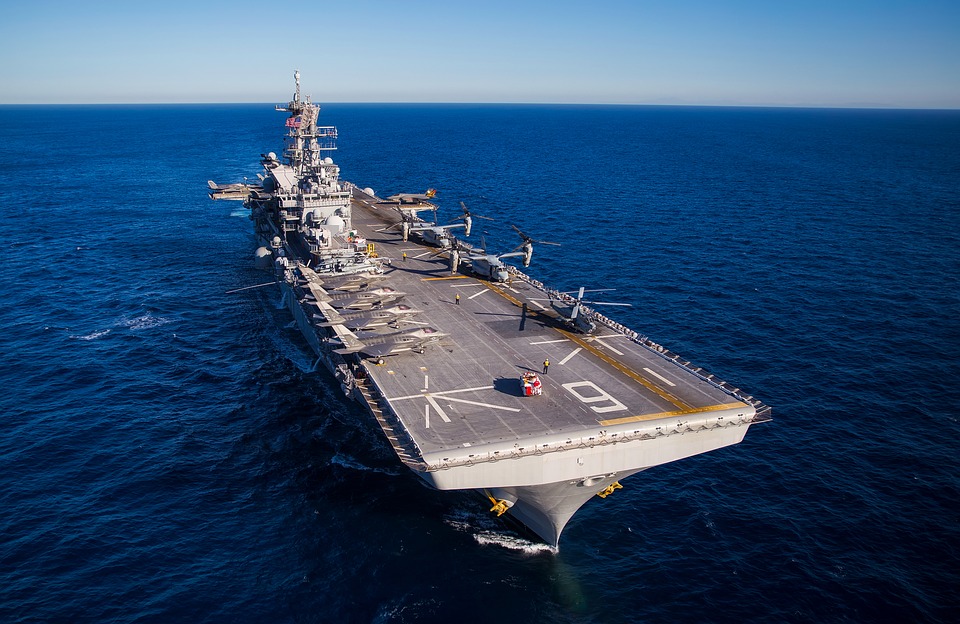
Tensions in the South China Sea have increased, especially as China and the surrounding countries including the US are already bolstering their military forces for a possible conflict. As tensions remain high, the Philippines has suspended its decision regarding its troop agreement with the US.
For the third time, the Philippines has suspended the decision to scrap out the long-running Visiting Forces Agreement that it shares with the United States. The agreement was originally set to expire in August, but the Pentagon has welcomed Manila’s decision. Analysts, however, have warned that both sides may be disappointed if the agreement would not be renewed.
To note, the Philippines is a US treaty ally and there are several military agreements that depend on the VFA. The VFA would provide rules for the rotation of US troops in and out of the Philippines for drills and military exercises. This is incredibly important for the Philippines as well as the US, especially in countering increasing aggression from China, which has made sweeping claims of sovereignty over almost the entire South China Sea.
The Philippine Foreign Minister Teodoro Locsin said the decision to suspend would last for six more months as President Rodrigo Duterte “studies” the agreement with both sides addressing concerns he has raised regarding certain parts of the VFA.
“The Department welcomes the government of the Philippines’ decision to again suspend termination of the Visiting Forces Agreement,” said Pentagon spokesman John Kirby in a statement. “We value the Philippines as an equal, sovereign partner in our bilateral alliance. Our partnership contributes not only to the security of our two nations but also strengthens the rules-based order that benefits all nations in the Indo-Pacific.”
Japan is also at odds with China over the disputed waters including the waters near it like the East China Sea. Recently, Japan has now called on Europe, the US, and other Asian countries to band together to stand up to China over its expansion plans into the South China Sea. Speaking to the European Parliament’s security and sub-defense committee, Japanese Defense Minister Nobuo Kishi warned that China has been building up its military capacity which is becoming a concern.
Kishi said that China’s ballistic missiles including its decision to increase military spending four times more than Japan has as well as its militarization of unoccupied islands in the South China Sea must be observed closely in order to keep the peace.







