


 Russian Strikes Kill Six in Ukraine, Including Three in Kharkiv
  Trump Cancels Alabama Football Trip as Hurricane Isaias Approaches
  Trump Sanctions International Criminal Court, Sparking EU Backlash
  US, EU Push for Action Against Asia’s Excess Factory Capacity
  Trump Announces Russia-Ukraine Energy Ceasefire as Zelenskiy Awaits Details
  Trump Buys Up to $25M in Meta Stock, Invests in SpaceX Debt
  Zelenskiy Slams US Over Deadly Russian Strikes on Ukraine
  Venezuela’s Machado Calls for Elections by July 2027
  JD Vance Questions Pentagon Plan to Livestream Fort Hood Shooter’s Execution
  North Korea Fires Ballistic Missiles as Tensions With South Korea Escalate
  Trump Secures Russian Diesel Deal as US Fuel Prices Surge
  Djibouti Migrant Boat Capsizes, Killing 139 and Leaving 84 Missing
  Houthis Warn Saudi Airports After Deadly Riyadh Attack
  RFK Jr. Launches Nationwide Vaccine Safety Review
  Mahmoud Abbas Postpones Palestinian Elections to September 2027
  Zelenskiy Offers Russia Energy Truce Amid Trump Pressure
  Yandex Data Center Hit by Drone Strike as Russia-Ukraine Cyber Infrastructure Attacks Escalate


 Add as a preferred source on Google
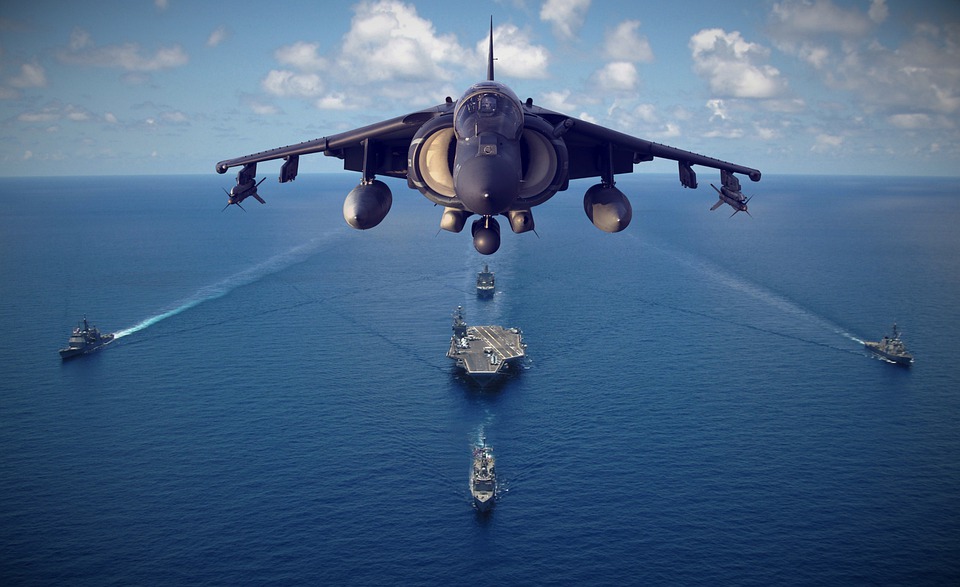
Tensions surrounding the South China Sea have risen as of late as China and the countries making overlapping claims to the parts of the waters dispute over territory. The possibility of conflict between China and the Philippines over the waters appears to have increased as the Philippines has increased its naval patrols.
In what appears to be an unprecedented move, the Philippines has increased its naval patrols in the contested waters, signaling increasing tensions in the South China Sea. Ship-tracking data by the Asia Maritime Transparency Initiative showed that Philippine naval vessels made around 57 patrols around the disputed Spratly Islands and Scarborough Shoals from March 1 to May 25. AMTI noted that this was a dramatic increase from the past 10 months.
They also noted that the recent Filipino military activity was beyond what has been seen in years.
China made sweeping claims of sovereignty over almost the entire South China Sea, a claim the Philippines contested along with other nations. An international arbitration ruled against China’s claims, which China has rejected, still insisting on having sovereignty over the waters to this day. Beijing has already built and fortified structures that are claimed by both the Philippines and Vietnam, angering both countries.
However, despite the increased naval presence on the part of the Philippines, the analysis notes that this pales in comparison to Chinese military forces. AMTI explained that Philippine naval presence appears to be fleeting, whereas Chinese vessels operate as sentries and will stay at targeted places for weeks until they are replaced.
Nevertheless, the Philippines has refused to back down from the pressure presented by China over the waters. Philippine President Rodrigo Duterte made clear in May that the country will not back down from Chinese pressure in a televised address. Duterte’s remarks come amidst pressure to abandon seeking close relations with China and push back against what his defense advisers have said are provocations from China.
“We have a stand here and I want to state it here and now again that our ships are there, we will not move an inch backward,” said the Filipino leader. “I do not want a quarrel. I do not want trouble. I respect your position and you respect mine. But we will not go to war. I will not withdraw. Even if you kill me. Our friendship will end there.”







