South Korea’s Industry Minister Kim Jung-kwan is set to visit Washington on Thursday to hold high-level talks with U.S. officials following President Donald Trump’s announcement of plans to raise tariffs on South Korean goods, according to the Ministry of Trade, Industry and Energy. The visit underscores growing trade tensions between the United States and South Korea and highlights Seoul’s efforts to protect its export-driven economy from potential fallout.
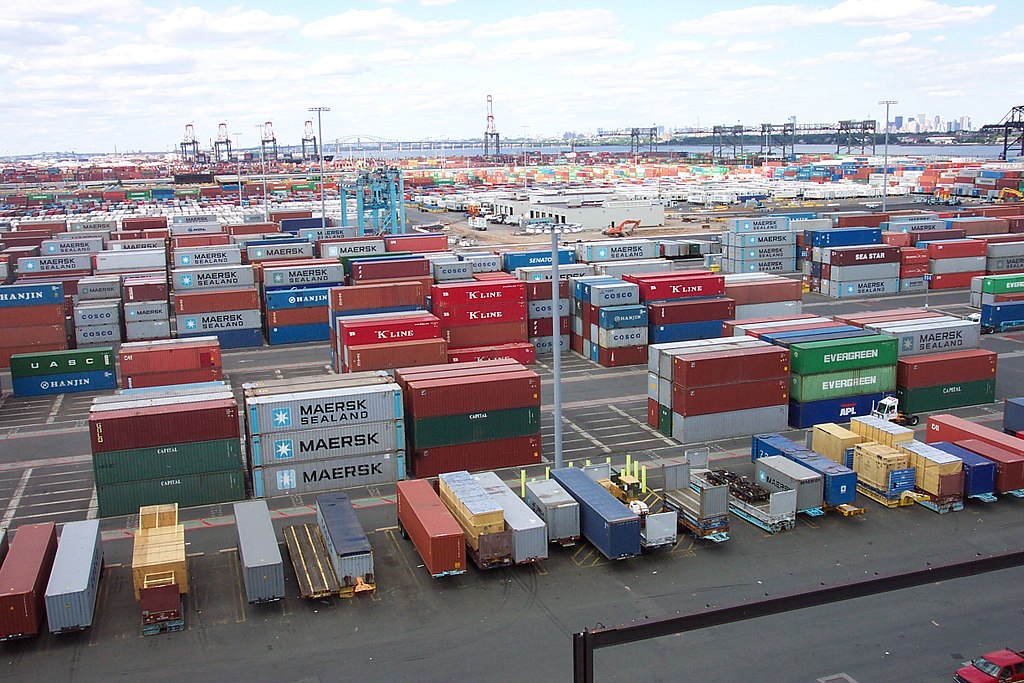
During his trip, Minister Kim is scheduled to meet with the U.S. Secretary of Commerce and the U.S. Secretary of Energy, the ministry said in a press release. These meetings are expected to focus on recent U.S. trade policy changes, including proposed tariff increases that could affect key South Korean industries such as automobiles, electronics, steel, and energy-related products. South Korea is one of the United States’ major trading partners in Asia, and any shift in tariff policy could have wide-ranging implications for bilateral trade relations.
The planned tariff hikes announced by President Trump have raised concerns among South Korean policymakers and businesses, particularly as global trade uncertainty remains elevated. Seoul has emphasized the importance of maintaining stable trade ties with Washington, especially under the framework of existing bilateral agreements. Minister Kim’s visit is seen as an effort to communicate South Korea’s position directly to U.S. decision-makers and to explore possible ways to ease trade frictions through dialogue.
In addition to tariffs, discussions may also cover broader economic cooperation, energy security, and supply chain resilience. South Korea has been seeking to strengthen collaboration with the United States in advanced manufacturing, clean energy, and critical minerals, areas that are increasingly important amid shifting global trade dynamics.
The outcome of the meetings could play a significant role in shaping near-term trade relations between the two allies. Market participants and exporters will be closely watching the talks for signals on whether the proposed U.S. tariffs on South Korean goods could be delayed, revised, or implemented as planned. As trade policy continues to be a key issue in U.S.-Asia relations, Minister Kim’s Washington visit comes at a crucial moment for both governments.