
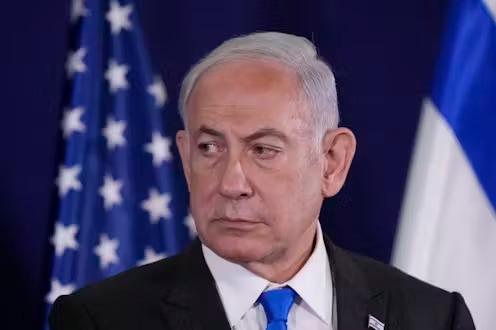
Israel’s parliament has given initial approval to a controversial bill that would allow the government to control an inquiry into the October 7, 2023 Hamas attack, a move that has intensified political tensions and drawn sharp criticism from victims’ families and opposition lawmakers. The surprise Hamas assault on southern Israel marked the country’s deadliest day in decades and triggered the prolonged Gaza war, making accountability a central public demand.
The bill, advanced on Wednesday by Prime Minister Benjamin Netanyahu’s ruling coalition, empowers members of the Knesset to select the inquiry panel and grants the cabinet authority to define its mandate. This approach diverges from the long-standing framework under Israel’s 1968 Commissions of Inquiry Law, which provides for an independent state commission appointed by the president of the Supreme Court to investigate major national failures, such as those preceding the 1973 Yom Kippur War.
Critics argue the proposed government-led inquiry undermines judicial independence and risks politicizing the investigation into Israel’s security failures. Families of victims and survivors of the Hamas attack have strongly opposed the bill, insisting that only an independent state commission can deliver truth, justice, and meaningful reforms. “This is a day of disaster for us all,” said Eyal Eshel, who lost his daughter during the attack, emphasizing that accountability remains essential for national healing.
Public opinion polls indicate broad support among Israelis for a state commission of inquiry, reflecting deep mistrust of a process overseen by elected officials. Despite this, Netanyahu has defended the bill, claiming a panel appointed by representatives from both the coalition and opposition would be independent and credible. However, opposition parties have already refused to participate, accusing the government of attempting to control the outcome and obscure responsibility.
The bill further stipulates that if lawmakers fail to agree on panel members, the final decision would rest with the Knesset speaker, a Netanyahu ally from the Likud party, fueling additional concerns about bias. Jon Polin, whose son Hersh Goldberg-Polin was taken hostage and later killed, said only a trusted state commission could restore public confidence and prevent future tragedies, underscoring the enduring trauma faced by Israeli society.


