


 IMF Warns US Debt Crisis Needs Fiscal Action, Urges China to Boost Consumption
  US Supreme Court Denies Release of Anti-ICE Activist Kyle Wagner
  Flavio Bolsonaro Backs Brazil’s 40-Hour Workweek Reform Ahead of Runoff
  China Warns Taiwan Over South China Sea Coast Guard Incident
  Trump Denies Russia and China Are Helping Iran in U.S. Conflict
  China Resumes US Soybean Purchases After Trump-Xi Summit
  US Senate Midterms 2026: Key Races That Could Flip Control
  UN Urges Talks on Lebanon Peacekeeping Mission Extension
  FBI Denies Report of Kash Patel’s Russia Visit
  Jordan Bardella Antisemitism Allegations Threaten Le Pen’s Campaign
  US Justice Department Drops Prosecution of Ex-CIA Analyst Sue Mi Terry
  Netanyahu Rejects Preemptive Iran Strike Ahead of Israel Election
  Zelenskiy Seeks New US Talks to Revive Ukraine-Russia Peace Negotiations
  Trump Announces Massive Oil and Mineral Exploration Plans in Greenland
  Italy’s Meloni Warns US-Russia Diesel Deal Could Weaken Ukraine Sanctions
  Most Americans Oppose Election Betting on Prediction Markets, Poll Finds
  Zelenskiy Says Ukraine Received No Warning Before Russian Missile Attack


 Add as a preferred source on Google
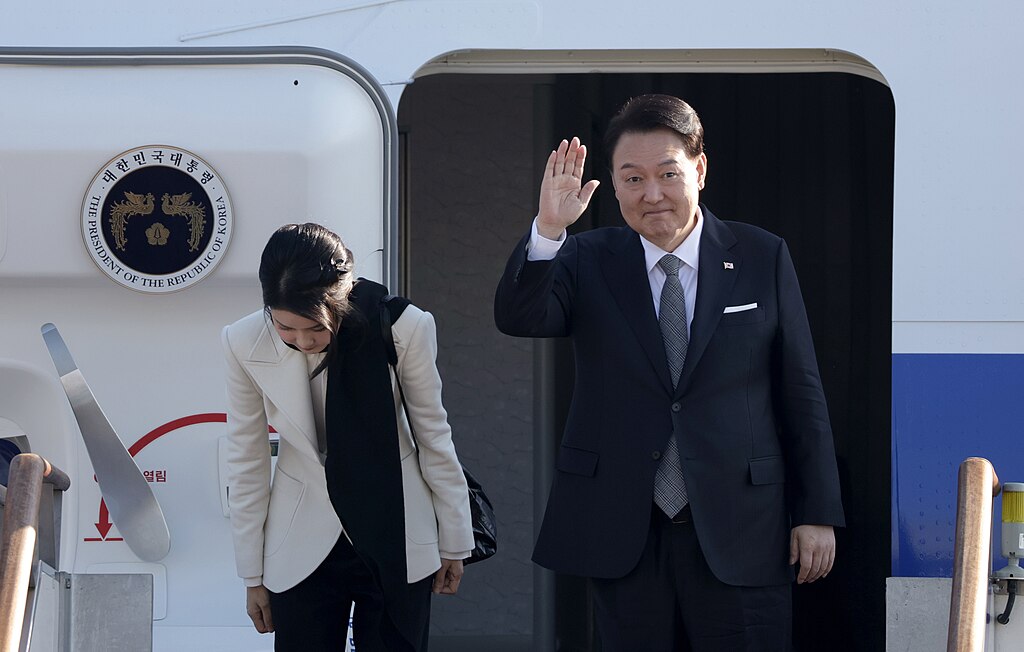
South Korean President Yoon Suk Yeol has narrowly avoided impeachment after his controversial declaration of martial law last week. The attempt to unseat him failed due to a dramatic boycott by members of his ruling People Power Party (PPP), despite widespread protests and political outrage.
The impeachment motion, which required two-thirds support in South Korea’s 300-member parliament, was initiated by the opposition Democratic Party after Yoon declared martial law, granting the military sweeping emergency powers. The declaration, lasting only six hours, was rescinded amid a storm of public backlash. However, the fallout continues to dominate political discourse.
Parliamentary Boycott Thwarts Opposition’s Push
In a heated parliamentary session, nearly all PPP lawmakers staged a walkout, leaving the chamber as voting began. This action ensured that the opposition, despite its majority, could not secure the minimum of eight PPP votes required to pass the motion.
Amid shouts of anger from opposition lawmakers, PPP member Shin Dong-uk claimed his party had not forced members to abstain but rather sought a “more orderly and responsible” resolution to the crisis.
The Democratic Party leader, Lee Jae-myung, denounced the move as a betrayal of democratic principles and vowed to continue efforts to hold the president accountable. “We cannot let this abuse of power go unpunished,” Lee said.
Martial Law’s Swift Reversal Fails to Quell Public Outrage
President Yoon’s declaration of martial law, announced late Tuesday, cited threats from “North Korean communist forces” and a need to counter “pro-North anti-state groups.” However, critics argue the move was a desperate attempt to consolidate power rather than address legitimate security concerns.
The swift backlash forced Yoon to rescind the order within six hours. In a televised apology, he expressed regret for causing “anxiety and inconvenience” to the public. “I am deeply sorry to those who were shocked by this decision,” Yoon stated, pledging there would be no second martial law and that he would not evade legal scrutiny.
Despite his apology, public trust in Yoon has plummeted. Protests erupted across Seoul, with thousands demanding his resignation. Demonstrators carried banners reading, “No to dictatorship!” and “Restore democracy now!”
Netizens React to Political Turmoil
Social media platforms have been flooded with reactions to the martial law declaration and failed impeachment attempt:
- @DemocracyNowSK: "Martial law in 2024? South Korea deserves better leadership. The PPP walkout is a disgrace!"
- @JusticeForKorea: "President Yoon’s apology is too little, too late. This betrayal of democracy won’t be forgotten."
- @SKYouthActivist: "The opposition must keep fighting. Martial law was a blatant abuse of power!"
- @KoreanFreedom2024: "Yoon should resign immediately. Our democracy is at stake!"
- @CitizensFirstSK: "This is what happens when politicians prioritize power over the people. We demand accountability!"
- @SeoulProtestWatch: "Protests are growing. The people won’t stand for this authoritarian move."







