
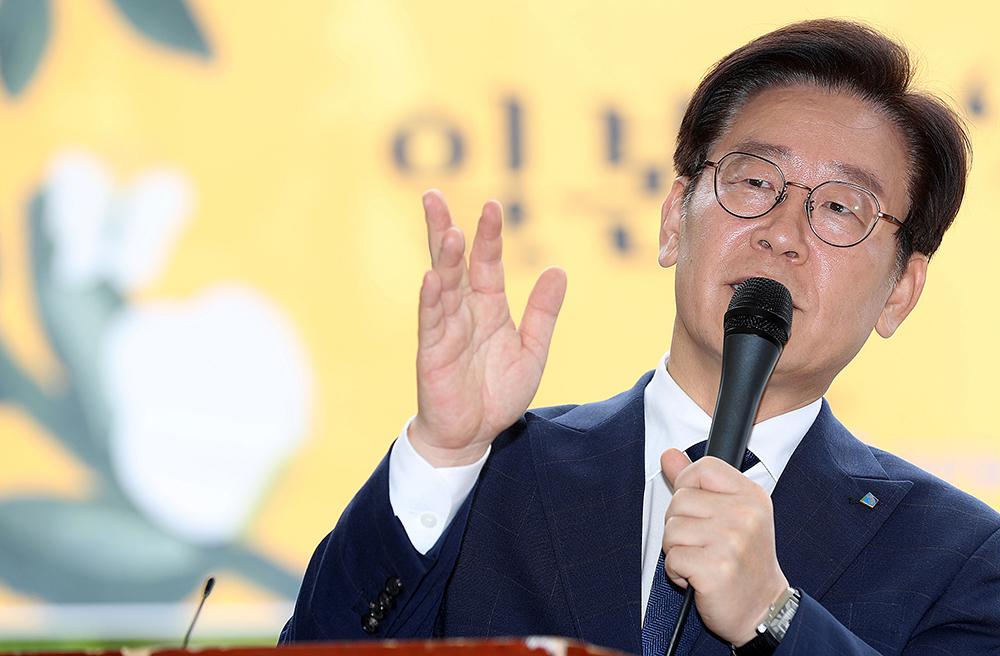
South Koreans headed to the polls Tuesday to elect a new president, concluding a turbulent period sparked by former President Yoon Suk Yeol’s failed martial law declaration, which tarnished the nation’s democratic image. The new leader inherits a divided society and an economy rattled by rising U.S. protectionism.
Voter turnout is expected to be high, with more than 18% of the 44.39 million eligible voters casting their ballots by 11 a.m., according to the National Election Commission. Polls remain open until 8 p.m. local time.
Liberal candidate Lee Jae-myung leads conservative rival Kim Moon-soo, with a Gallup Korea poll last week showing Lee at 49% support—14 points ahead of Kim. Both candidates promise sweeping reforms, criticizing outdated political and economic systems. Lee champions social equity and support for lower-income families, while Kim emphasizes deregulation and pro-business policies.
However, the campaign has been overshadowed by Yoon’s December 3 martial law bid, which led to his impeachment and removal on April 4. Lee has framed the election as a “judgment day” on the People Power Party for not opposing Yoon strongly enough. Kim, who served as Yoon’s labor minister, countered by calling Lee and his party authoritarian.
Many voters voiced hopes for national unity and economic recovery. “Since December 3, the economy has worsened for everyone,” said 81-year-old Seoul resident Kim Kwang-ma. “We need to come together again.”
Exit polls will be released at 8 p.m., with official results expected overnight. The National Election Commission will certify the outcome on Wednesday, followed by the immediate inauguration of the winner. The presidential office has been vacant since Yoon’s ousting.


