


 Samsung, SK Hynix Shares Plunge as China Chip Competition Grows
  Airbus Tests Valkyrie Combat Drone in Europe for Eurofighter Integration
  Orsted to Take Full Ownership of UK Offshore Wind Farm for £15 Million
  Albertsons Seeks $9.3 Billion From Kroger Over Failed Merger
  TSMC Profit Set to Surge 65% as AI Chip Demand Drives Record Earnings
  Most Americans Oppose Election Betting on Prediction Markets, Poll Finds
  Arthur Hayes Announces FLOP Testnet Launch Within Weeks
  Morgan Stanley Predicts $10 Trillion RWA Market by 2030
  PepsiCo Slashes Poppi Earnout Valuation as Growth Slows
  Canton Network Expands in South Korea With Major Partnerships
  Syndax Stock Drops 15% After Axatilimab Trial Failure
  Ethereum Foundation-Linked Wallets Move $11.13M in ETH to Kraken
  Moonshot AI Executives Seek Settlement Ahead of Hong Kong IPO
  Binance to Shut Down Crypto Mining Pool Services on November 10
  Meta Launches Muse Wonder AI Models, Shares Rise 3.7%
  Coinbase CEO Backs SEC Accredited Investor Reform
  Russia Approves Sberbank for Crypto Exchange Services


 Add as a preferred source on Google
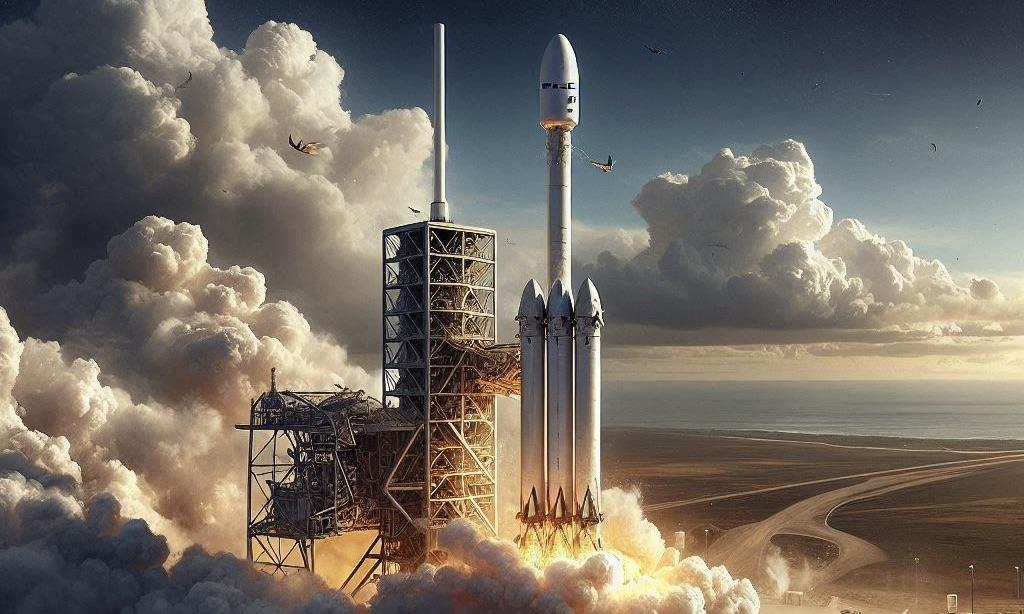
During an ongoing FAA investigation into a recent Starlink mission anomaly, SpaceX has requested permission to relaunch its Falcon 9 rocket. The mishap involved a liquid oxygen leak, which affected the deployment of 20 Starlink satellites on July 11.
SpaceX Requests Falcon 9 Relaunch Amid FAA Investigation into Starlink Mission Anomaly
During the Federal Aviation Administration (FAA) investigation into a mishap last week, SpaceX requested authorization to relaunch its Falcon 9 rocket, according to Teslarati.
The FAA is investigating a mishap that transpired during the Starlink 9-3 mission earlier this month.
On July 11, SpaceX launched its Falcon 9 rocket with 20 Starlink internet satellites attached. However, a liquid oxygen leak caused an anomaly, which prevented the second stage from circulating its orbit before the discharge of the high-speed internet devices.
The issue with the Starlink satellites was elaborated upon by SpaceX CEO Elon Musk:
“Upper stage restart to raise perigee resulted in an engine RUD for reasons currently unknown. Team is reviewing data tonight to understand root cause. Starlink satellites were deployed, but the perigee may be too low for them to raise orbit. Will know more in a few hours.”
Shortly after that, the FAA issued a statement:
“The FAA is aware an anomaly occurred during the SpaceX Starlink Group 9-3 mission that launched from Vandenberg Space Force Base in California on July 11. The incident involved the failure of the upper stage rocket while it was in space. No public injuries or public property damage have been reported. The FAA is requiring an investigation.”
SpaceX Seeks FAA Approval for Falcon 9 Relaunch Amid Ongoing Investigation
Despite the ongoing investigation, SpaceX intends to recommence Falcon 9 launches before the FAA concludes its analysis.
Space X submitted a request to the FAA on July 15 to regain the ability to launch the rocket before the agency's investigation's conclusion, as reported by Spaceflight Now.
“The FAA is reviewing the request and will be guided by data and safety at every step of the process. The FAA is responsible for and committed to protecting the public during commercial space transportation launch and reentry operations. The FAA is reviewing the request and will be guided by data and safety at every step of the process.”
In two scenarios, the FAA would permit a rocket to resume flight operations after an issue: It would grant sanction for a launch operator-led mishap in its final investigation report, necessitating the operator to identify and resolve corrective actions.
The other is a “public safety determination,” which would only be valid if “the mishap did not involve safety-critical systems or otherwise jeopardize public safety,” the FAA said.







