SsangYong Motor Co. revealed last week it is now free from the debt rescheduling program as the Seoul Bankruptcy Court ruled there is no more obstacle to the execution of the company’s rehabilitation plan. The court made the decision since the South Korea-based automaker has already repaid most of the rehabilitation security rights and claims amounting to KRW351.7 billion or around $267 million.
"The company has paid all the debts owed to financial institutions as scheduled under its rehabilitation plan," the carmaker’s spokesperson said.
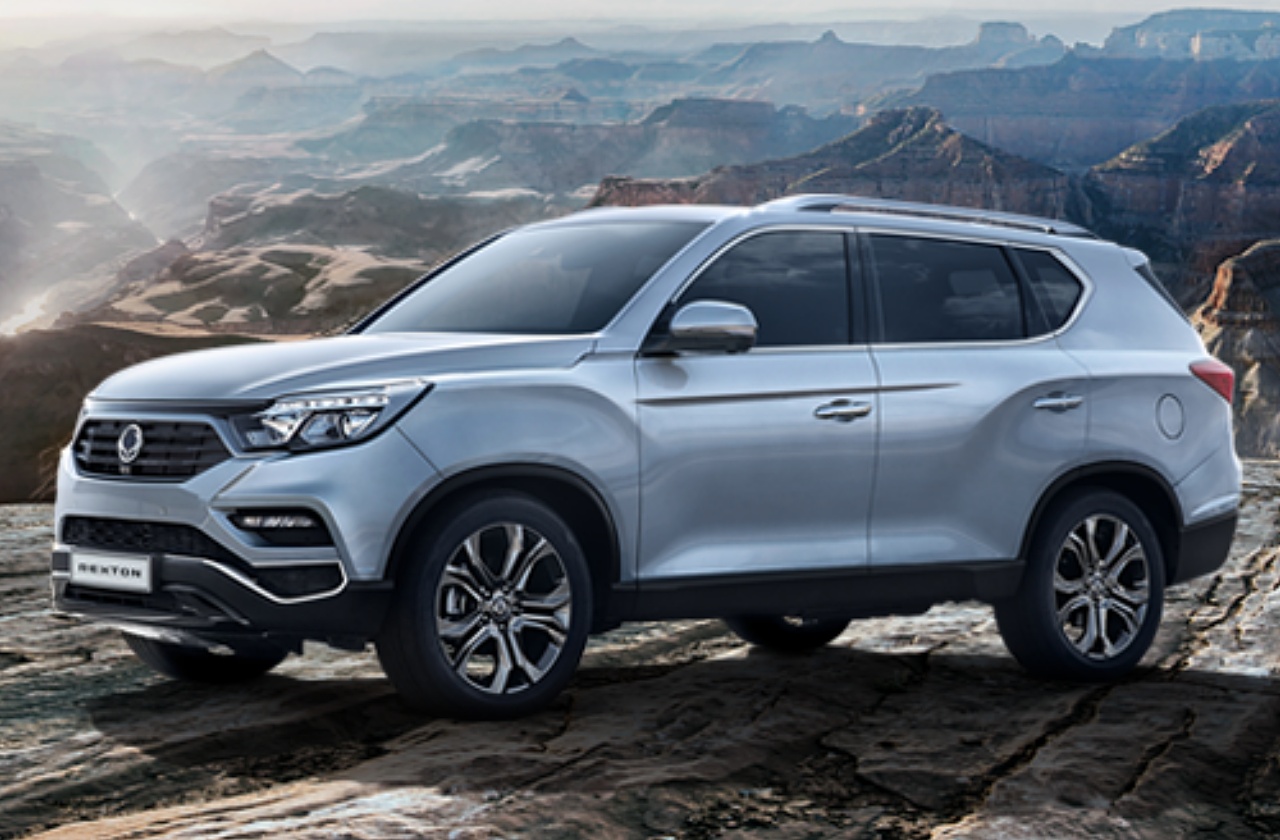
The court also said SsangYong Motor has around KRW290.7 billion in funds for its operation. The firm’s sales also improved after it introduced its new Torres SUV model this year.
Additionally, it also formed its new board of directors, which apparently has a positive impact on the company. With the good developments, the company managed to emerge from the court receivership after 19 months.
Korea Joongang Daily reported that the automobile manufacturer has been placed under court receivership since April of last year. This happened because SsangYong Motor’s parent company, Mahindra & Mahinda, was not able to find new investors as the business was on a decline after suffering from financial issues that were only getting worst amid the COVID-19 pandemic.
It was in August when the bankruptcy court approved the company’s debt payment plans. This was after the court chose the KG Group-led consortium as the final bidder for the acquisition of SsangYong Motor in June.
In the last decade, SsangYong Motor already went through two rounds of court receivership. In 2004, China’s SAIC Motor Corp., Ltd. purchased a 51% share in the company, but it gave up its control over SsangYong in 2009 at the heels of a financial crisis that was affecting businesses worldwide. Eventually, the company was placed under court receivership for the first time, as per Yonhap News Agency.
In 2011, India’s Mahindra & Mahindra automotive manufacturer invested KRW523 billion to purchase a 70% stake in SsangYong. Its stake ownership increased to 74.65%, but as of Sept. 28, KG Group has become the biggest stakeholder with 61.88%, while Mahindra now owns just 10.15%, with the remainder being owned by other investors.