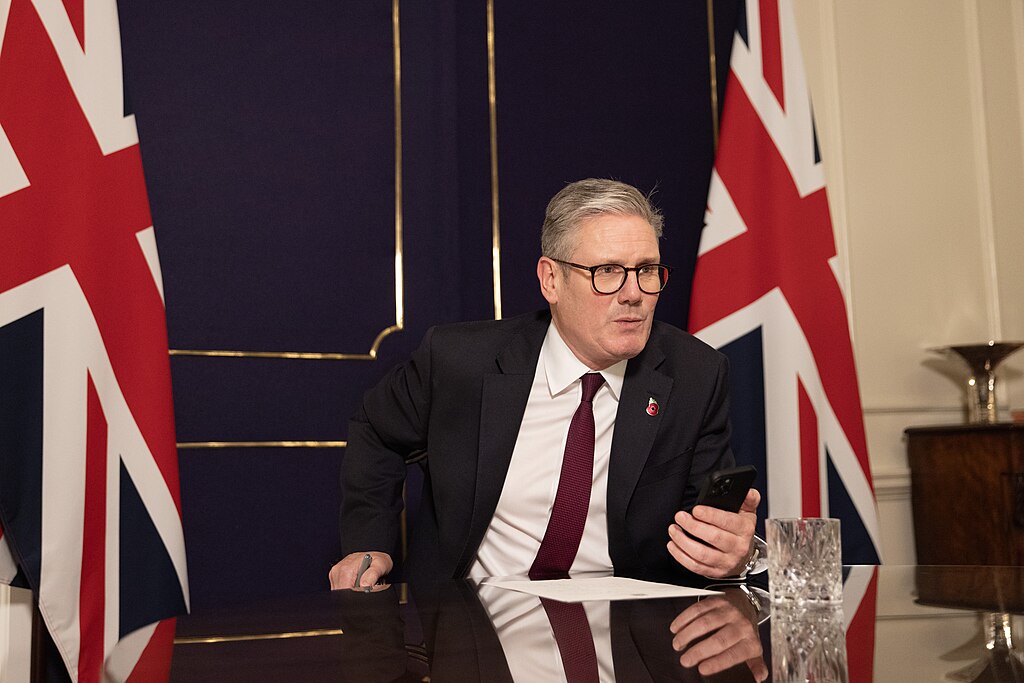
British Prime Minister Keir Starmer is set to unveil a new joint defense procurement initiative aimed at reducing rearmament costs through coordinated weapons purchasing among Western allies. According to a Financial Times report, Starmer will present the proposal at the Munich Security Conference, urging NATO partners and European nations to deepen military cooperation amid rising geopolitical tensions.
The proposed defense cooperation plan focuses on pooling resources to secure better value for money as military spending increases across Europe. The UK, along with NATO allies, has pledged to raise defense spending to 3.5% of GDP by 2035 following Russia’s full-scale invasion of Ukraine and mounting pressure from U.S. President Donald Trump for greater burden-sharing within the alliance. However, Britain faces a projected £28 billion defense funding gap over the next decade, complicating efforts to meet this target.
Chancellor Rachel Reeves has emphasized the need for greater interoperability, standardized weapons systems, and joint procurement agreements to maximize efficiency in defense budgets. She has also expressed interest in a European defense financing mechanism that could issue collective debt to fund large-scale weapons purchases. The concept, initially proposed by Brussels-based think tank Bruegel, would allow jointly acquired military equipment to be stockpiled while keeping associated liabilities off national balance sheets.
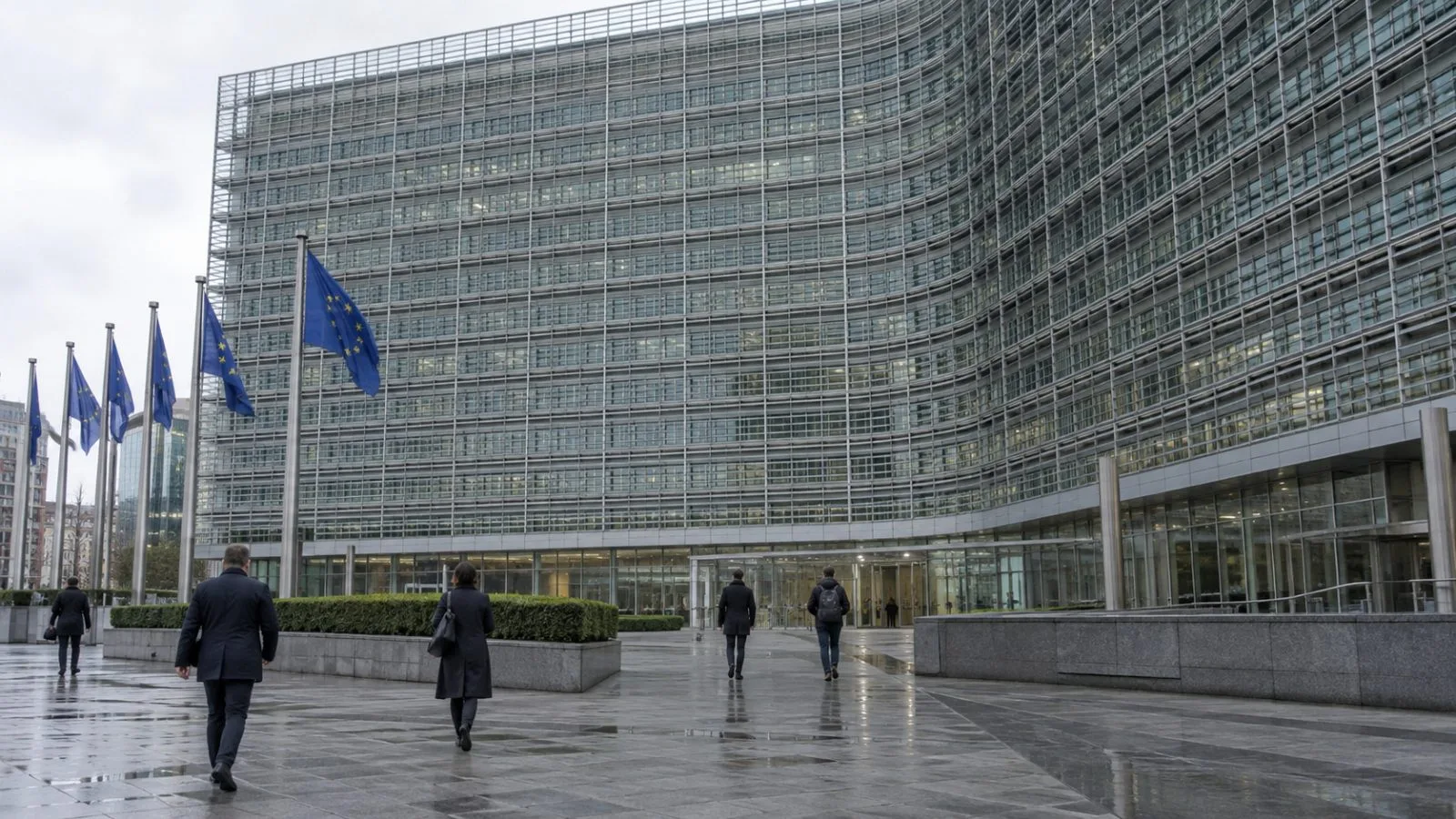
Political momentum for such a mechanism appears to be building. Dutch coalition parties have signaled openness to exploring collaborative defense financing, including partnerships with non-EU NATO members such as the UK. Meanwhile, Britain has reopened discussions about participating in the EU’s Security Action for Europe rearmament program, despite previous setbacks linked to post-Brexit financial disagreements.
While Germany continues prioritizing its domestic rearmament strategy, UK officials maintain that deeper defense cooperation remains essential. A Treasury spokesperson reaffirmed Britain’s commitment to strengthening alliances and enhancing collective security through coordinated military investment.