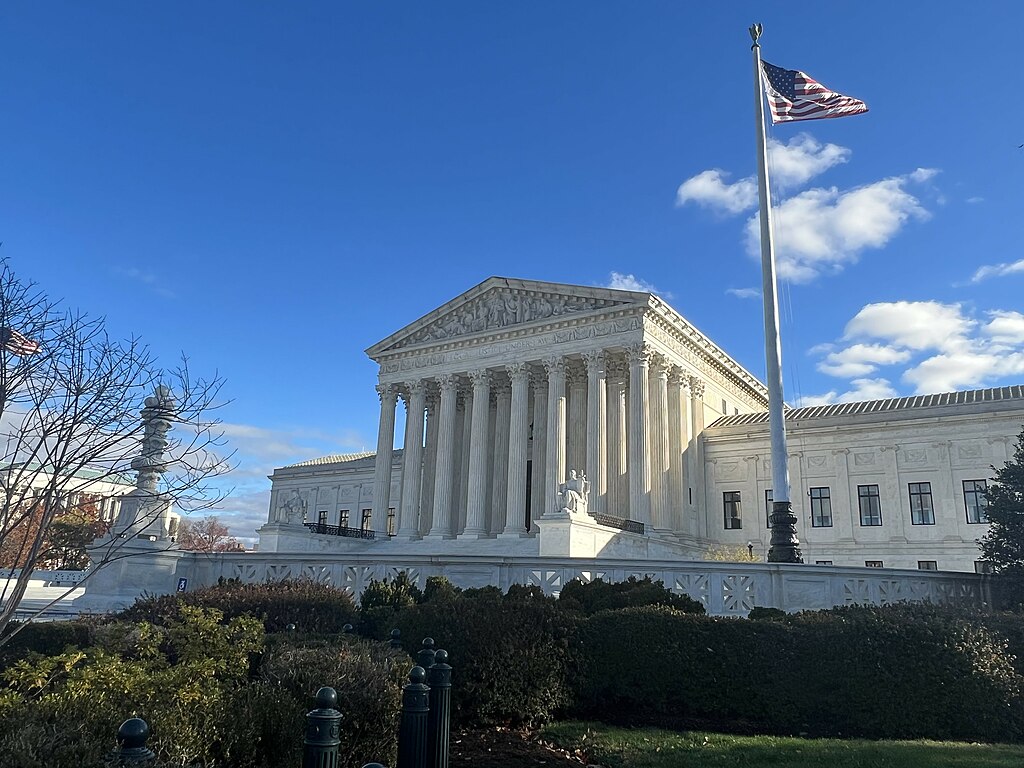
The U.S. Supreme Court has extended a temporary pause on a lower court’s order that required the Trump administration to fully fund the Supplemental Nutrition Assistance Program (SNAP), also known as food stamps, for 42 million low-income Americans. This decision allows the administration to continue withholding approximately $4 billion in food aid during the ongoing federal government shutdown, deepening concerns about food security for millions of vulnerable citizens.
SNAP, a critical federal program that helps low-income households buy groceries, has become a major flashpoint in the political standoff between the White House and Congress. The judge’s earlier ruling aimed to ensure uninterrupted food assistance despite the budget impasse, but the Supreme Court’s intervention delays that mandate. As a result, many families may face uncertainty about their benefits while political negotiations continue in Washington.
Lawmakers have been taking steps toward ending the government shutdown, which has disrupted services and furloughed hundreds of thousands of federal workers. However, the extended hold on SNAP funding highlights the broader human impact of the political deadlock. Critics argue that withholding essential aid undermines public welfare and disproportionately affects children, seniors, and working families who rely on the program for daily sustenance.
Supporters of the administration’s decision cite budgetary concerns and executive discretion in managing federal funds during a shutdown. Still, advocacy groups warn that continued delays in food assistance could push millions closer to hunger and economic instability.
As the nation awaits a resolution, the fate of the $4 billion in SNAP funding remains in limbo. The Supreme Court’s decision underscores the ongoing tension between judicial intervention, executive authority, and the urgent needs of America’s most vulnerable populations.