


 US Backs Musk in Fight Against EU’s €120 Million X Fine
  Solidigm Taps Goldman, Morgan Stanley for $10 Billion US IPO
  Iceland 4x4 Rental Guide: When Do You Really Need Four-Wheel Drive?
  California Woman Arrested Over Alleged Spying on Taiwan President’s Son
  Gold Prices Fall as Fed Signals Another Rate Hike
  Crypto Market Selloff Wipes Out $100B as Bitcoin Falls Below $83K
  Bangladesh GDP Growth Accelerates to 4.6% on Industrial Rebound
  Najib Razak Seeks Stay of 15-Year 1MDB Prison Sentence
  Trump Administration Prepares Sanctions Against Entire ICC
  GSR Commits $100M to Hare Onchain Credit Vaults
  CNN, Politico and MS NOW Seek Court Order Blocking Trump White House Ban
  RBI Raises Repo Rate to 5.50% in Hawkish Shift on Inflation Risks
  Nomura Asset Management Targets Global Investors as Japan Markets Gain Appeal
  Florida Seeks Tougher Meta Rules to Protect Young Users
  Colombia Extradites FARC Dissident Leader ‘Spider’ to US
  TikTok Accused of Testing Fake Safety Tools on Users
  Broadcom, Oracle and SpaceX Seek Billions in Private Debt for AI Expansion


 Add as a preferred source on Google
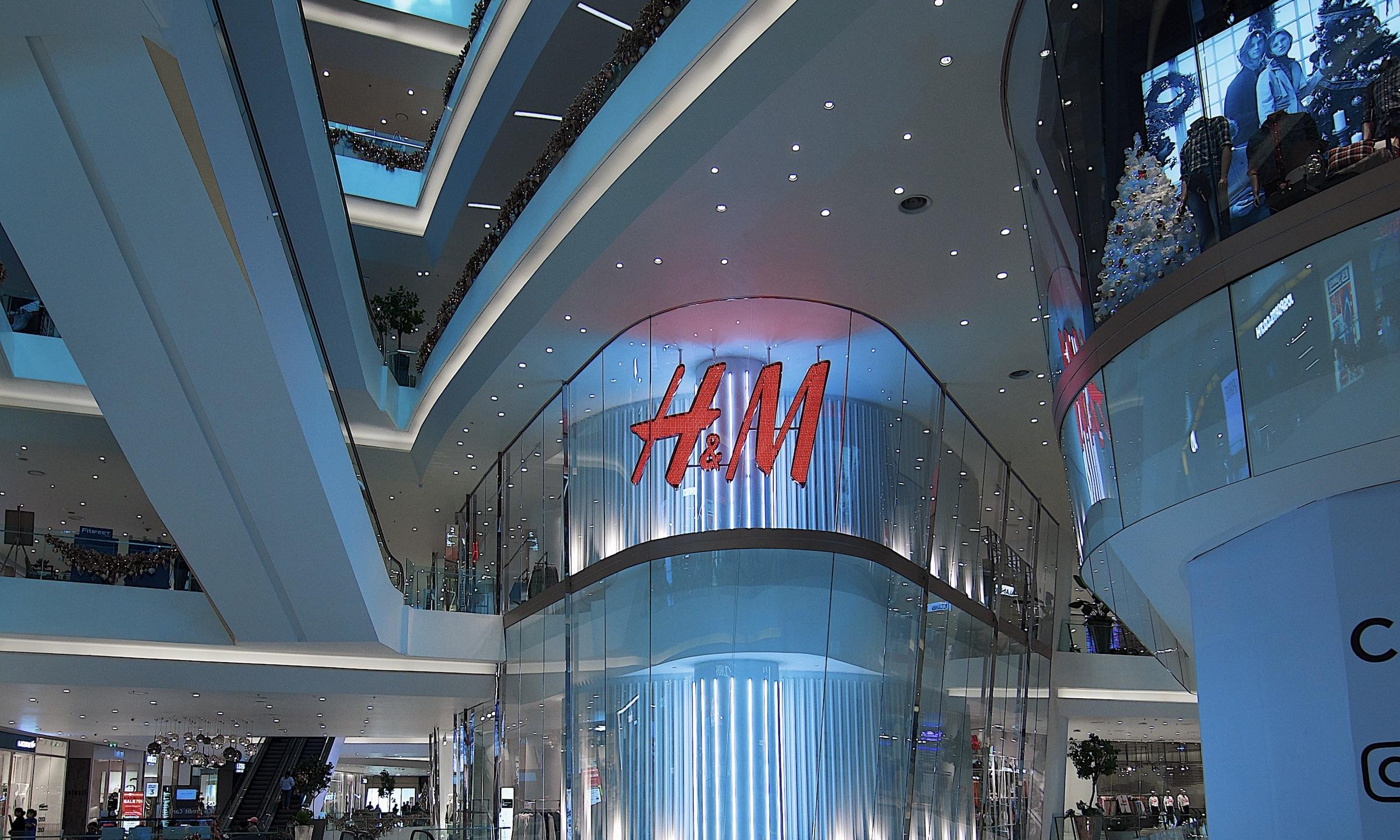
In an unconventional move, Swedish retail giant H&M has filed a copyright infringement lawsuit against rapidly expanding competitor Shein. The legal action, initiated in Hong Kong, accuses the China-originated, Singapore-based brand of repeatedly copying H&M's designs. Shein's meteoric rise in the global fast-fashion scene, buoyed by its social media popularity, has disrupted the market, putting industry stalwarts like H&M on notice.
On Tuesday, H&M confirmed that it had filed a lawsuit against Shein and Zoetop Business, a Hong Kong-based company affiliated with the online retailer. An H&M spokesperson explained that they have an ongoing copyright infringement case against Shein, alleging that the company has repeatedly copied their designs.
According to court documents in Hong Kong, H&M has highlighted the striking resemblance between the products, indicating that they have been copied. The sheer scale of Shein's unauthorized reproduction of copyrighted works has further strengthened H&M's claims. Shein, now headquartered in Singapore, declined to comment on the pending litigation.
While copyright infringement lawsuits are not uncommon in the fast-fashion industry, independent designers typically file complaints against larger retailers. H&M's suit against Shein is, therefore, somewhat unconventional.
H&M, a well-known Swedish high-street brand, has long competed with Spain's Inditex, the owner of Zara, for the top spot in the industry. However, Shein's rapid ascent from a brand beloved by TikTok influencers to a household name for Generation Z has put H&M on notice. With reported growth of $16 billion in 2021, Shein is closing in on H&M's position.
Despite its success, Shein has faced criticism regarding allegations of forced labor and human rights abuses. Three independent designers in the United States have recently filed lawsuits against Shein, accusing the company of engaging in a long-standing pattern of racketeering by profiting from individual infringements.
The legal battle between H&M and Shein promises to be significant, given both companies' prominent positions in the fast-fashion landscape.
Photo: Psk Slayer/Unsplash







