


 North Korea May Deploy 120 Missiles to Russia
  Paramount-Warner Bros. Merger Delayed Until 2027 Amid Antitrust Lawsuit
  New Mexico Measles Outbreak Cost Reached $5.4 Million, Study Finds
  DOJ Subpoenas New York Times Freelancer Over North Korea Military Report
  California ICE Detention Center Found to Have Inadequate Medical Care, Court Monitor Says
  Global Leaders Push Back as Trump Imposes New Forced Labor Tariffs
  25 Democratic-Led States Sue Trump Administration Over New Global Tariffs
  Trump Orders Probe Into Pentagon Munitions Stockpile Leaks After Iran Conflict
  Canada, US Hold Constructive Trade Talks as Tariff Negotiations Continue
  Capital One Says AML Review Led to Closure of Trump Organization Accounts
  AI Avatar of Jair Bolsonaro Sparks Legal Battle Ahead of Brazil’s 2026 Presidential Election
  US Supreme Court Lets $655.5 Million Judgment Against Palestinian Authorities Stand During Appeal
  SEC Moves to Dismiss Insider Trading Case Against Trump-Pardoned Terren Peizer
  Ukraine Agrees to Protect Kazakhstan Oil Exports via Black Sea
  FCC Moves to Ban Imports of Foreign Military-Grade Drones Over Security Risks
  Senate Majority Leader John Thune Moves to Advance Crypto Clarity Act


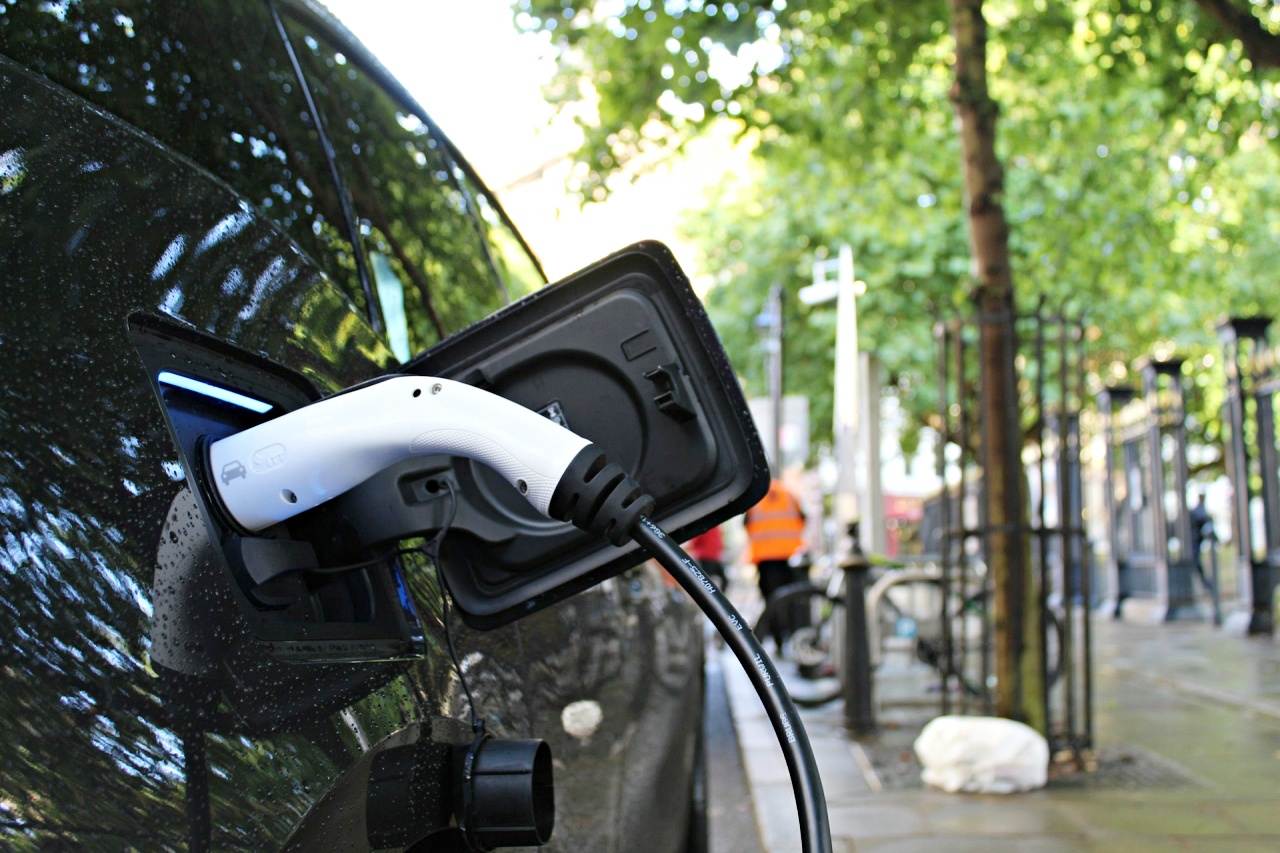
A federal judge on Friday ruled that the Trump administration unlawfully suspended congressionally approved funding for the expansion of electric vehicle charging infrastructure, delivering a major legal victory to 20 Democratic-led states that challenged the move. The decision reinforces the authority of Congress over federal spending and underscores the ongoing legal and political battles surrounding U.S. electric vehicle policy.
U.S. District Judge Tana Lin, based in Seattle, found that the U.S. Department of Transportation violated federal law in February when it abruptly paused the electric vehicle charger program. The program was created under the 2021 infrastructure law signed by former President Joe Biden and was designed to accelerate the nationwide rollout of EV charging stations, particularly along highways and in underserved communities.
According to the ruling, the Department of Transportation lacked the legal authority to suspend funding that Congress had already appropriated for the program. Judge Lin emphasized that executive agencies cannot unilaterally override congressional mandates, especially when the law clearly outlines how funds are to be distributed and used. The court noted that the sudden funding freeze created uncertainty for states that had already begun planning and investing in EV infrastructure projects.
The lawsuit was filed by a coalition of 20 states after the Trump administration moved to halt the program as part of a broader effort to roll back climate and clean energy initiatives. The states argued that the suspension would delay critical infrastructure projects, undermine climate goals, and harm economic development tied to clean energy investments. Judge Lin agreed that the states would suffer irreparable harm if the funding suspension were allowed to continue.
Electric vehicle charging infrastructure is widely seen as essential to increasing EV adoption, reducing greenhouse gas emissions, and supporting the transition to cleaner transportation. The ruling is expected to allow funding to resume, enabling states to move forward with stalled projects and long-term planning.
The decision marks a significant moment in the broader debate over federal climate policy, executive power, and the future of electric vehicles in the United States, and it may influence similar legal challenges related to infrastructure and environmental programs.







