


 Asian Stocks Rise as Bond Yields Ease Ahead of U.S. Inflation Data
  Gold Prices Slip as High Treasury Yields Weigh on Bullion
  Japanese Yen Retreats as Dollar Rises Ahead of Fed, BOJ Rate Decisions
  Oil Prices Slide as Middle East Flows Recover
  Nvidia China Chip Sales Report Sends Chinese Semiconductor Stocks Lower
  U.S. Stock Futures Fall as Iran, Oil and AI Risks Rattle Markets
  Gold Holds Near Seven-Week Low as Fed Rate Hike Bets Rise
  Fed’s Hammack Says Bond Yield Surge Is Not Driven by Inflation Fears
  Australia Inflation Accelerates to 4% After RBA Rate Hike
  BOJ Signals Faster Rate Hikes as Inflation Risks Grow
  RBI Uses $10 Billion Currency Swaps to Drain Excess Rupee Liquidity
  Central Banks Could Buy 20,000 Tonnes of Gold: BofA
  Fed’s Williams Signals One More Rate Hike Before Year-End
  China Cuts Tariffs on U.S. Farm Goods but Excludes Soybeans


 Add as a preferred source on Google
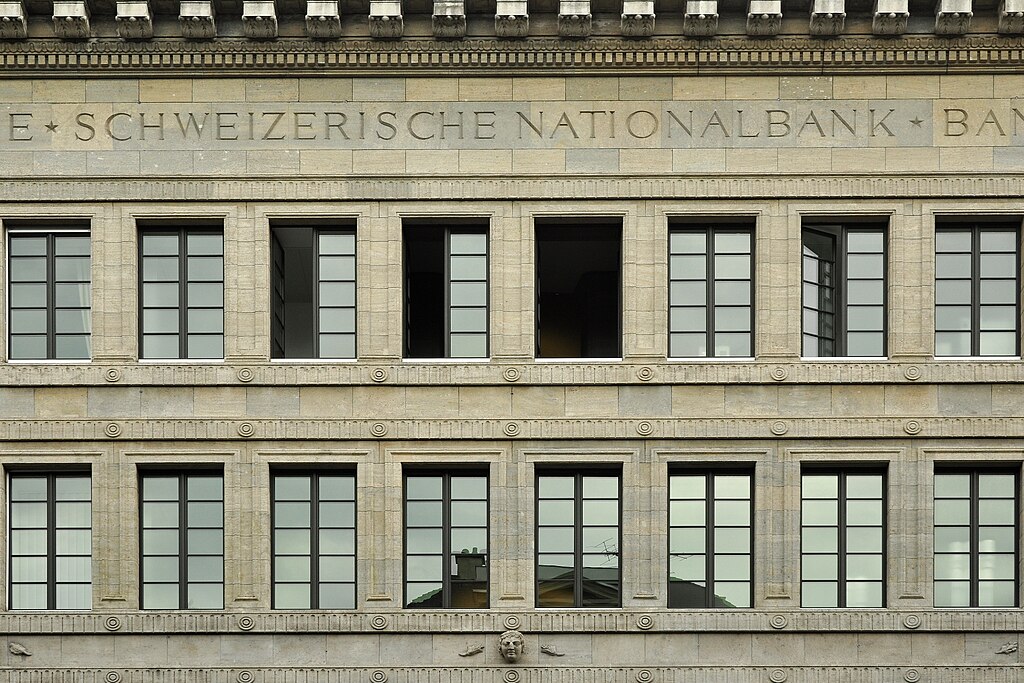
Swiss National Bank (SNB) Chairman Martin Schlegel has emphasized that reintroducing negative interest rates would only happen under extraordinary circumstances. In an interview with Migros-Magazin ahead of the central bank’s policy meeting on September 25, Schlegel said the SNB remains ready to act if necessary but acknowledged the adverse effects such policies can have on savers and pension funds.
The SNB cut its policy rate to zero in June to combat persistently low inflation, after maintaining negative rates from December 2014 until September 2022. Schlegel dismissed criticism that previous aggressive cuts limited the bank’s room to maneuver, stressing that proactive measures are essential to keep inflation stable within the SNB’s 0–2% target range. “In monetary policy, you can’t afford to hesitate. Otherwise, stronger countermeasures are required later,” he noted.
Markets and analysts widely expect the SNB to hold rates steady this month, particularly as Swiss inflation has remained within target for three consecutive months. However, uncertainty looms over the economy following Washington’s imposition of steep 39% tariffs on Swiss imports.
Schlegel cautioned that while the full economic impact of U.S. tariffs is unclear, individual companies could face significant challenges, leading to reduced investment and slower growth. “That has a negative impact on the economy. How big the effects are in total remains to be seen,” he said.
With inflation under control but global trade tensions rising, the SNB is signaling caution. The central bank appears intent on keeping its policy flexible while maintaining stability, sending a clear message that any return to negative interest rates would require a major shift in economic conditions.







