


 TSMC Q3 Revenue Beats Estimates as AI Chip Demand Surges
  Moonshot AI Executives Seek Settlement Ahead of Hong Kong IPO
  Amazon in Talks to Acquire AI Startup Decart for $7 Billion
  Elon Musk Accuses Indian Telecom Giants of Blocking Starlink Launch
  Apple Supplier Luxshare Faces US Patent Probe, Sees Limited Impact
  US Suspends Microsoft, Adobe From Green Card Program
  Trump Buys Up to $25M in Meta Stock, Invests in SpaceX Debt
  Apple Supplier Luxshare Sees Limited Impact From US Patent Probe
  Nvidia’s China AI Chip Market Share Falls to 34% as Huawei Gains Ground
  Robinhood Chain Eyes Priority Gas Auctions for Faster Trades
  Oracle Uses Trucked Natural Gas to Power AI Data Centers Amid Pipeline Delays
  Arthur Hayes Announces FLOP Testnet Launch Within Weeks
  Samsung, SK Hynix Shares Plunge as China Chip Competition Grows
  Tencent Shares Fall as $5 Billion AI Bond Sale Weighed
  Meta Launches Muse Wonder AI Models, Shares Rise 3.7%


 Add as a preferred source on Google
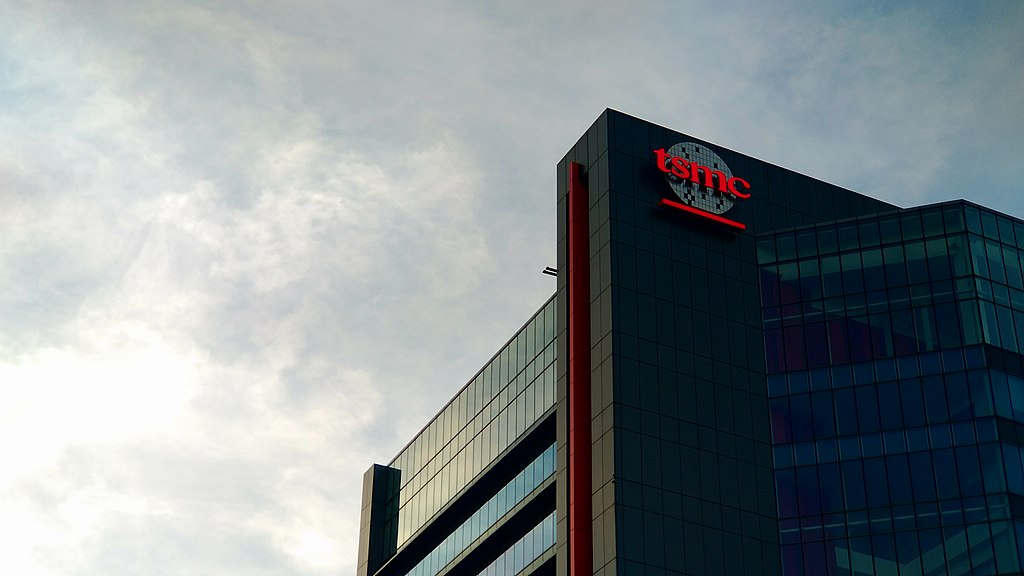
TSMC's expansion in Arizona is set to boost chip production and stimulate the local economy. Despite concerns over its impact on Taiwan, experts predict the new fabs will contribute less than 10% to TSMC's global output.
TSMC's Arizona Expansion to Boost Chip Production, Raises Concerns Over Potential Industrial Relocation in Taiwan
TSMC is establishing mass production of chips using its 4nm and 5 nm class process technologies at Fab 21 phase 1 in Phoenix, Arizona. According to Tom’s Hardware, the company plans to expand to additional phases by the decade's end, substantially increasing its production capacity and global footprint. Nevertheless, Taiwan TV News (TTV) reports that TSMC's construction of factories in the United States, Japan, and Germany has ignited domestic apprehensions regarding the potential for industrial relocation from Taiwan.
TSMC's expansions in China, Germany, Japan, and the United States have been successful. However, there are concerns in Taiwan regarding the potential impact on domestic industries, as the company is one of Taiwan's premier manufacturers. TTV has reported that TSMC's overseas facilities will contribute less than 10% of the company's global output, even with total production, as noted by experts such as Bonnie Glaser from the German Marshall Fund. Regrettably, TTV did not disclose any precise figures.
Despite the potential impact of TSMC's global expansions, Taiwan's technology sector remains highly resilient. Recent reports of TSMC's plans to construct new factories on the island only serve to underscore this reality. Taiwanese organizations are actively expanding globally, and TSMC's initiatives in Arizona demonstrate its commitment to maintaining a robust global presence while advancing technology from its Taiwanese headquarters.
TSMC Invests $65 Billion in Arizona Fab 21, Sparking Local Economic Growth and Community Development
TSMC is investing more than $65 billion in Arizona to construct three segments of its Fab 21. Under the CHIPS and Science Act, the United States government has allocated $11.6 billion in financial assistance to TSMC, which includes $6.6 billion in grants and up to $5 billion in loans.
The Phoenix construction site is a flurry of activity, with an average of 8,000 workers daily and occasional peaks of 12,000. According to TTV, the workforce is significantly diverse, attracting talent from various ethnic origins. Consequently, the team must prioritize cultural respect and collaboration.
New community clusters are emerging in Phoenix as TSMC employees settle in, establishing Chinese supermarkets and Taiwanese restaurants. This has created business opportunities for local entrepreneurs. According to TTV, the influx of TSMC employees and their families positively impacts the local economy.
Photo: Briáxis F. Mendes (孟必思), CC BY-SA 4.0, via Wikimedia Commons








