


 Oil Prices Fall as Russia Signals Higher Diesel Exports
  S&P 500 Futures Rise Ahead of US Inflation Data and Bank Earnings
  S&P 500 Rally Masks Losses for Over 40% of Stocks in 2026
  Trump Defends Russian Diesel Deal Amid US Sanctions Backlash
  Gold Prices Rebound as Dollar Weakens Ahead of US Inflation Data
  Gaza Olive Harvest Collapses as War Destroys Farmland
  Gold Prices Mixed Ahead of US Inflation Data and Fed Rate Outlook
  Asian Stocks Plunge as AI Chip Selloff Hits South Korea and Japan
  China Bank Lending Rebounds in September, Beats Forecasts
  China Resumes US Soybean Purchases After Trump-Xi Summit
  Samsung, SK Hynix Shares Plunge as China Chip Competition Grows
  US Dollar Index Falls as Fed Signals Caution, Indian Rupee Surges
  Italy’s Meloni Warns US-Russia Diesel Deal Could Weaken Ukraine Sanctions
  Fed’s Williams Sees One More Rate Hike in 2026, None in 2027
  Oil Prices Fall as Trump Ceasefire Claim Shifts Market Focus to U.S. CPI
  RBA Signals More Rate Hikes as Inflation Risks Rise


 Add as a preferred source on Google
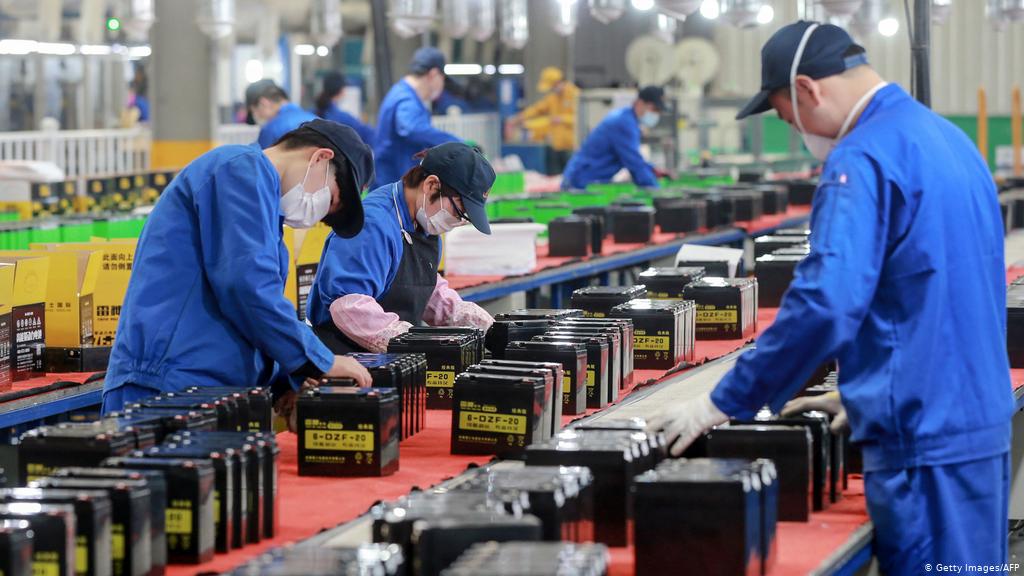
China’s manufacturing activity expanded in December due to increased export demand, although it was hampered by higher labor and transport costs.
While the country's official manufacturing Purchasing Manager’s Index (PMI) dipped to 51.9 in December from 52.1 in November, it remained above the 50-point mark that separates growth from contraction.
China’s economy is expected to expand around 2% for the full year - the weakest pace in over three decades but much stronger than other major economies still struggling to contain infections.
Tougher coronavirus control measures of its key trading partners in the west and recent domestic infections could diminish industrial demand.
Zhao Qinghe, an official at the National Bureau of Statistics (NBS), noted small businesses were pressured by higher raw material, labor, and distribution costs.
He added that small manufacturers are also struggling to hire workers due to the competition posed by the country's service sector.







