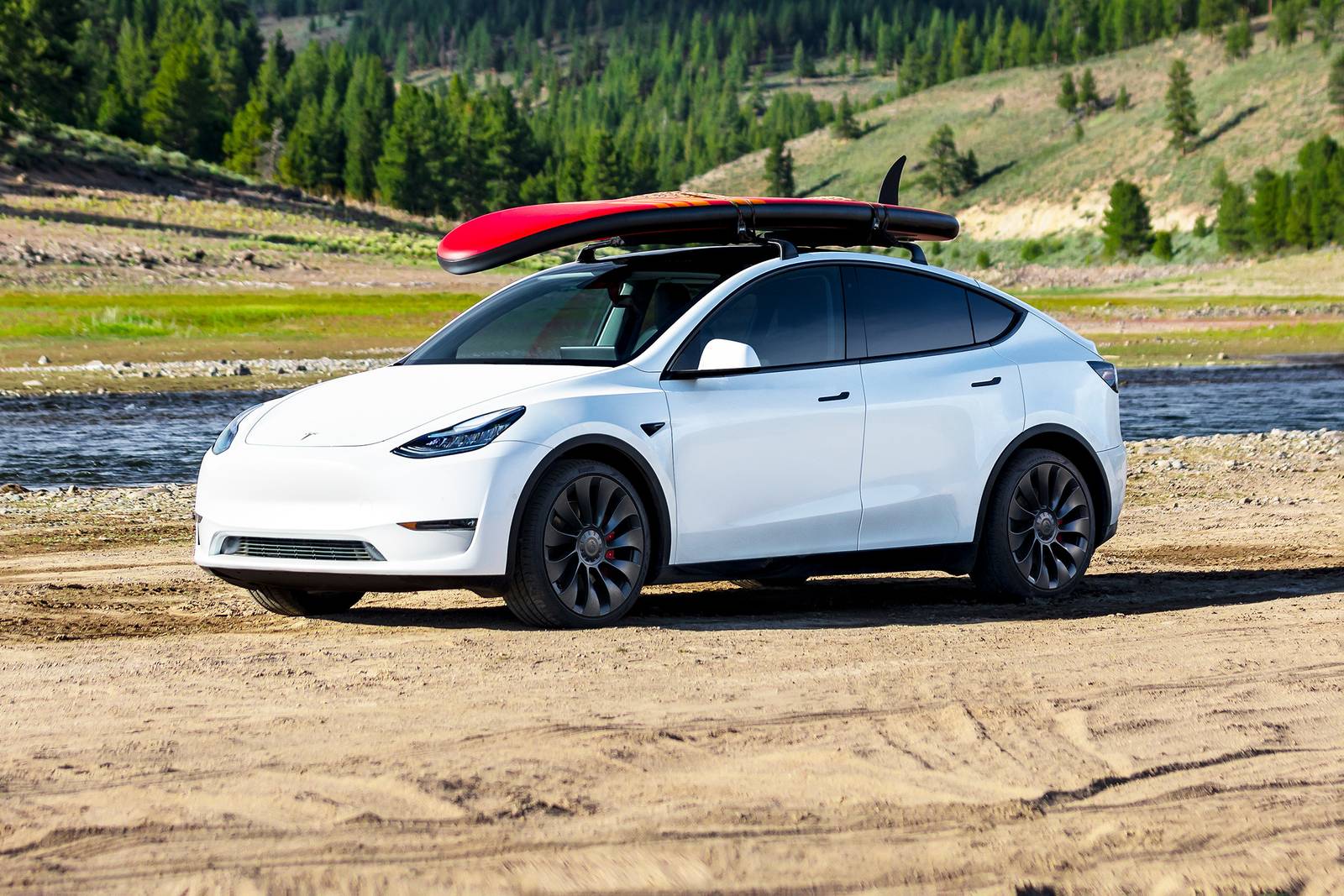
Tesla sold a record 1.3 million vehicles last year, topping the previous record of 936,000 vehicles delivered in 2021, but it fell short of the 1.4 million needed to reach CEO Elon Musk's 50% growth target.
The 1.3 million vehicles sold represent a 40 percent year-over-year increase. Meanwhile, production surged 47 percent to 1.37 million.
Musk had pledged a 50 percent growth in sales nearly every year.
The shortfall came despite a major year-end sales push that included rare $7,500 discounts in the US on Models Y and 3, the company's top-selling models.
Tesla also dealt with rising cases of the novel coronavirus in China, which cut into production at its Shanghai factory.
Tesla delivered more than 405,000 vehicles worldwide in the fourth quarter with the
extra US push but analysts’ projections of 427,000 deliveries from October through December and 1.33 million for the full year.
Tesla didn't roll out any new models last year, and it's facing increasing competition from legacy automakers and startups such as Lucid and Rivian, which are continually introducing new electric vehicles.

Asian Markets Mixed as RBI Cuts Rates and BOJ Signals Possible Hike
YouTube Agrees to Follow Australia’s New Under-16 Social Media Ban
European Oil & Gas Stocks Face 2026 With Cautious Outlook Amid Valuation Pressure
How America courted increasingly destructive wildfires − and what that means for protecting homes today
USPS Expands Electric Vehicle Fleet as Nationwide Transition Accelerates
U.S. Futures Steady as Rate-Cut Bets Rise on Soft Labor Data
Proxy Advisors Urge Vote Against ANZ’s Executive Pay Report Amid Scandal Fallout
Asia’s IPO Market Set for Strong Growth as China and India Drive Investor Diversification
Asian Markets Stabilize as Wall Street Rebounds and Rate Concerns Ease
IKEA Launches First New Zealand Store, Marking Expansion Into Its 64th Global Market
Thousands of satellites are due to burn up in the atmosphere every year – damaging the ozone layer and changing the climate
We combed through old botanical surveys to track how plants on Australia’s islands are changing
An unexpected anomaly was found in the Pacific Ocean – and it could be a global time marker
OpenAI Moves to Acquire Neptune as It Expands AI Training Capabilities 


