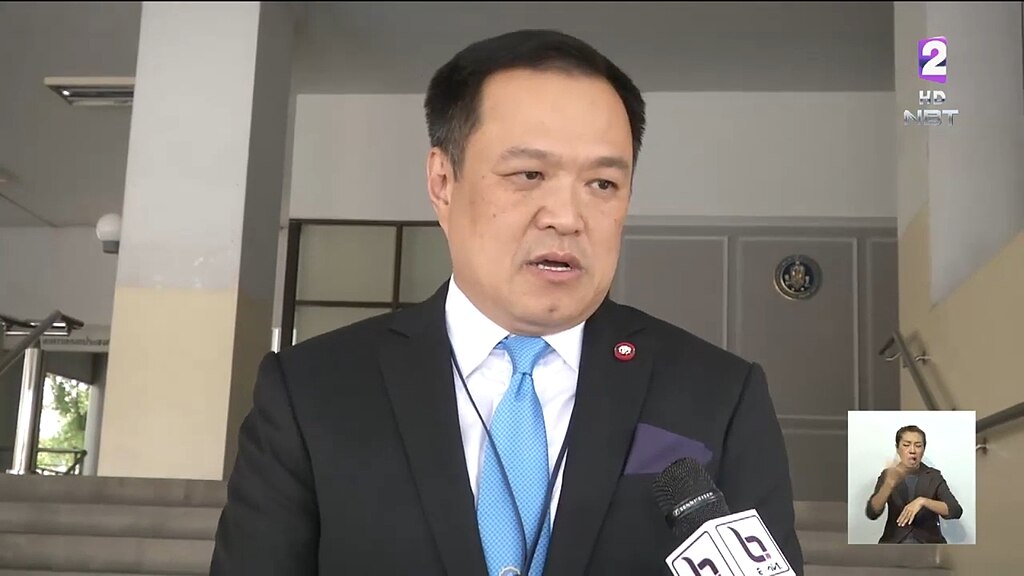
Thailand confirmed it will move forward with negotiations to finalize a reciprocal trade agreement with the United States, despite recent tensions along the Thai-Cambodian border. According to government spokesperson Siripong Angkasakulkiat, discussions on tariffs will remain entirely separate from political and security issues involving Cambodia.
The clarification came after Bangkok initially stated that Washington had temporarily halted trade talks until Thailand reaffirmed its commitment to a U.S.-brokered ceasefire with Cambodia. Siripong explained that this suspension happened before a phone conversation between Thai Prime Minister Anutin Charnvirakul and U.S. President Donald Trump late Friday.
During the call, Trump emphasized that the United States did not intend to intervene in the Thailand–Cambodia border situation beyond current bilateral frameworks. He confirmed that tariff negotiations would continue, reinforcing the separation of trade matters from regional security concerns.
In recent weeks, both nations unveiled a framework for reciprocal trade. The U.S. would retain a 19% tariff on Thai exports while identifying specific goods that could see tariff reductions or even elimination. However, Thailand received a letter from the U.S. Trade Representative (USTR) stating that finalizing the agreement would require Thailand to reaffirm its commitment to the joint ceasefire declaration with Cambodia.
Foreign Ministry spokesperson Nikorndej Balankura said the talks could resume once this reaffirmation is made. The two countries still need to finalize key terms and prepare the agreement for signing before it can take effect.
The renewed diplomatic attention follows heightened border tensions after Thailand accused Cambodia of laying new landmines, injuring Thai soldiers—an allegation Cambodia denies. Trump, who also spoke with Cambodian leaders, said he believed the situation “was going to be fine.”
Following the call, Anutin shared on Facebook that he requested a reduction in the 19% tariff. Trump reportedly responded that the rate was already relatively low but would consider adjustments if Thailand completed landmine removal efforts quickly.
This unfolding situation places both trade relations and regional stability at the center of U.S.–Thailand diplomacy.