Thailand’s auto industry faced a sharp decline in January, with car production dropping 24.63% year-on-year to 107,103 units, according to the Federation of Thai Industries (FTI). The slump, driven by weak domestic sales and exports, marks the 18th consecutive month of declining production.
"I was very shocked. The production numbers are really low," said Surapong Paisitpattanapong, spokesperson for the FTI’s automotive division. The drop was steeper than December’s 17.37% decline, signaling growing challenges for Southeast Asia’s largest auto manufacturing hub.
Domestic car sales fell 12.26% year-on-year to 48,092 units, following a 20.94% drop in December, as high household debt and tighter auto loans dampened consumer demand. Meanwhile, exports plummeted 28.13% to 62,321 units, the lowest in nearly three years, due to rising competition from Chinese automakers. In December, exports had already fallen 15.46%.
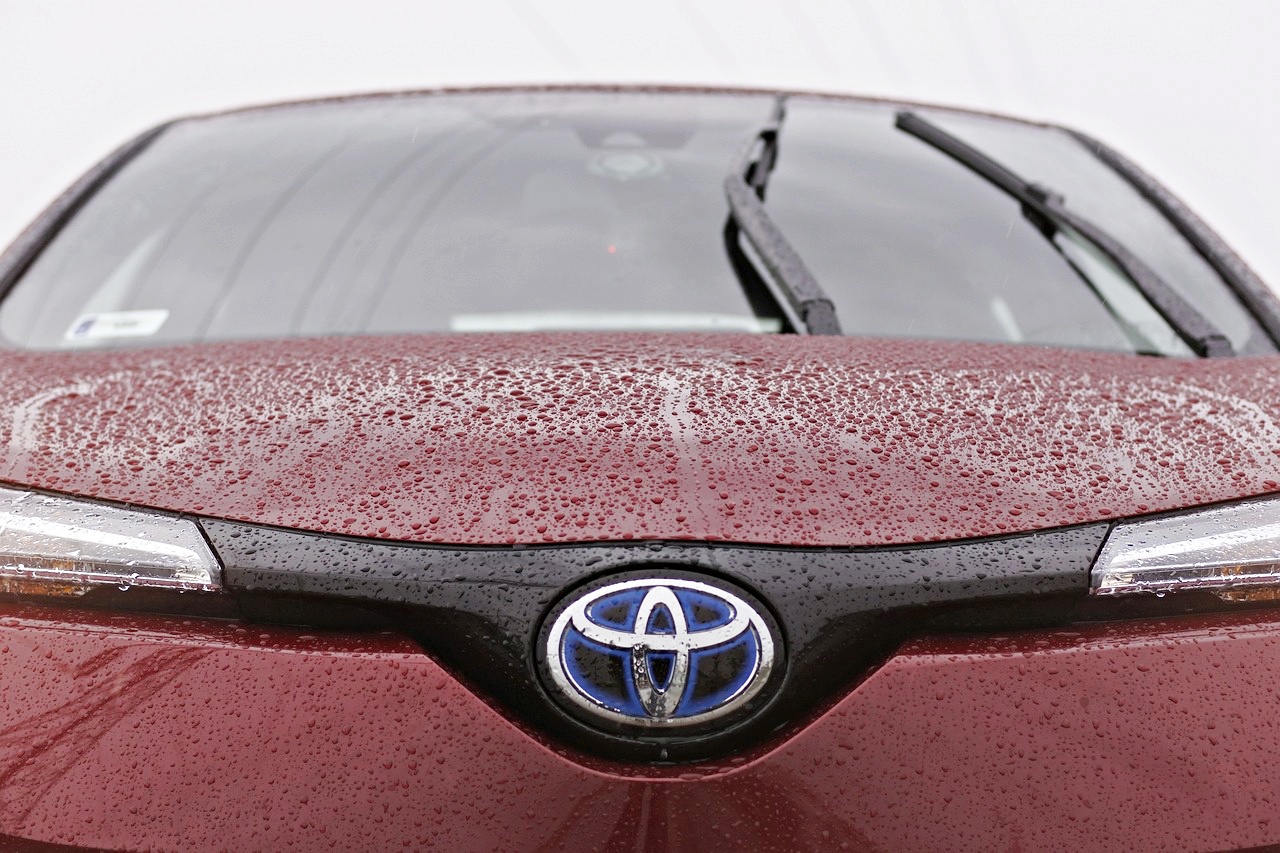
Thailand serves as a key export hub for global auto giants like Toyota (NYSE: TM) and Honda (NYSE: HMC), with Australia, the Philippines, and Japan being its top markets in 2023. However, the increasing presence of Chinese brands is reshaping the competitive landscape.
The FTI is closely watching potential government measures to ease auto loan restrictions and the U.S. policy on auto tariffs. President Donald Trump recently stated that new auto levies could be introduced by April 2, which could further impact Thailand’s auto exports.
With persistent declines in both domestic and international markets, Thailand’s auto sector faces mounting pressure, making upcoming policy decisions critical for recovery.