


 Citigroup Expands Coinbase Partnership for Stablecoin Payments
  U.S. Stock Futures Steady as AI, Rate Concerns Weigh
  BlackRock’s Rick Rieder Favors Bonds Over Stocks as Treasury Yields Surge
  South Korea Exports Set for 16th Monthly Gain on AI Chip Demand
  HUTCHMED, AstraZeneca Seek FDA Approval for Lung Cancer Combo
  Goldman Sachs Eyes John Waldron as CEO Successor
  China Consumer Stocks Near Decade Lows as AI Shares Surge
  Europe’s AI Data Centre Boom Strengthens Case for Nuclear Power
  TSMC Accelerates 2nm Expansion as AI Chip Demand Surges
  Nidec Shares Plunge on Report of $6.3 Billion Impairment Charge
  Australia Budget Deficit Narrows to A$22.3 Billion on Stronger Tax Revenue
  Gold Plunges 4% as Treasury Yields Surge and Fed Rate Hike Bets Rise
  BitMine Ethereum Holdings Top 6 Million ETH After $46 Million Purchase
  China Cuts Tariffs on U.S. Farm Goods but Excludes Soybeans
  Trump to Ease U.S. Fuel-Economy Standards
  Strategy Buys 1,665 Bitcoin as BTC Holdings Reach 847,666
  Nvidia China Chip Sales Report Sends Chinese Semiconductor Stocks Lower


 Add as a preferred source on Google
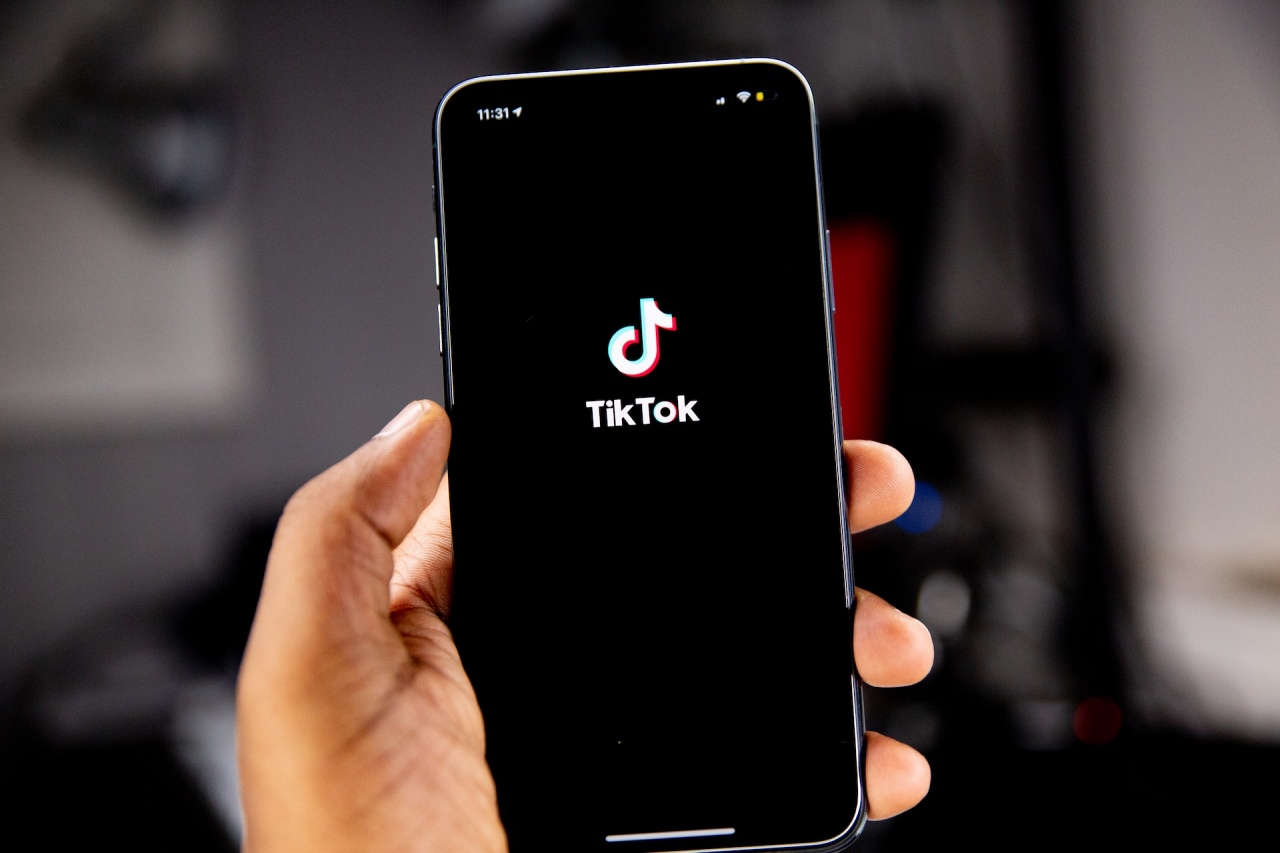
TikTok, a short-form video hosting service owned by the Chinese company ByteDance, is now banned in more than half of the U.S. states. The restriction applies to access from government devices, and it is either a partial or full limitation.
According to CNN Business, the TikTok ban in a number of states reflects the series of recent clampdowns by U.S. governors and state agencies. The growing backlash against the Chinese video-hosting app has extended to states being led by both the Democrats and Republicans and all regions in the country.
TikTok is said to have at least 100 million users in the United States alone; thus, the ban is considered a major hit to ByteDance. Based on the reports, a number of states have picked TikTok for executive measures, and governors here started prohibiting access to TikTok from government networks and devices.
At this time, many states are already considering imposing laws that will restrict TikTok, and this move is said to be similar to the efforts of US lawmakers. In any case, the ban comes as the security concerns about user data of users in the country were brought up again. Many fears that this private information and fears may end up in the hands of the Chinese government.
“We are disappointed that so many states are jumping on the bandwagon to enact policies based on unfounded, politically charged falsehoods about TikTok,” TikTok’s representative said in a statement that was previously forwarded to CNN regarding the US states’ ban.
He added, “It is unfortunate that the many state agencies, offices, and universities on TikTok in those states will no longer be able to use it to build communities and connect with constituents.”
Meanwhile, TikTok is already banned on government devices in Wisconsin, Mississippi, Indiana, Louisiana, South Dakota, North Carolina, Ohio, New Jersey, Arkansas, and others. The latest to be added to the list is Wisconsin after its governor, Tony Evers, announced the restriction citing cyber security reasons.
“I just signed an executive order banning TikTok and other potential cybersecurity-threatening technologies on state-issued devices,” the governor tweeted. “Defending our state's technology and cybersecurity infrastructure and protecting digital privacy will continue to be a top priority.”
Photo by: Solen Feyissa/Unsplash







