Tim Hortons Inc., the leading coffee chain brand in Canada, has landed in South Korea with the opening of its first store near the Sinnonhyeon Station in Gangnam District, located in the southern part of Seoul. This will mark the company's official debut in the country originating the K-pop fever worldwide.
"Korea holds significant cultural influence worldwide, and its dynamic nature makes it the most competitive, progressive, and lively coffee market," Restaurant Brands International's president, Rafael Odorizzi, said in a statement. "We will strive to provide fresh coffee and food menus to the best of our abilities."
Signature Menu Items and Prices
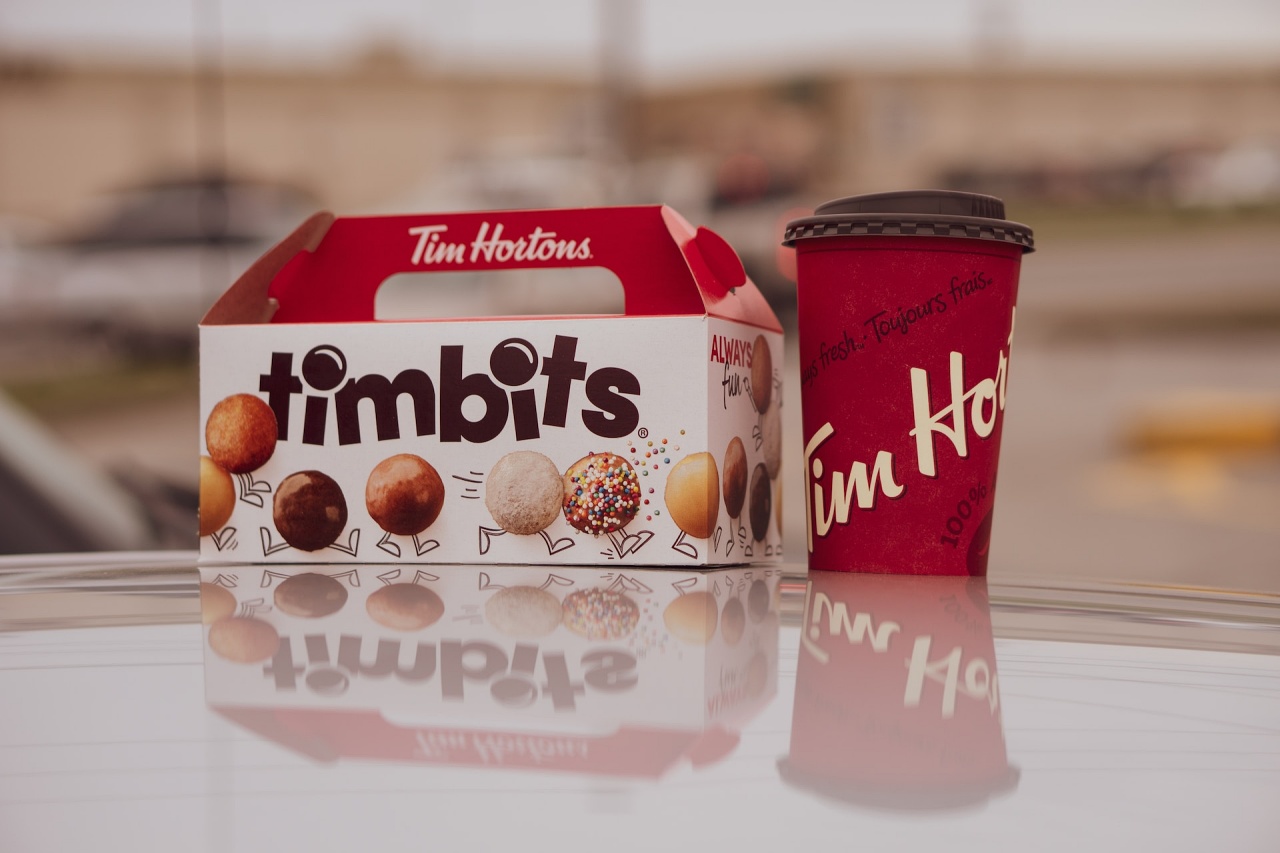
The Canadian coffee house and restaurant chain nicknamed Tim's, Timmie's, or Hortons, will start offering its flagship food and drinks to the Koreans on Thursday, Dec. 14. With the store opening, local customers will finally get to taste Tim Horton's famous menu items such as Timbits, Hash Browns, and an array of beverages.
According to Korea Joongang Daily, Tim Hortons' trademark drink - the Original Iced Capp, will be sold in the region for KRW5,100 or about $3.90. This rate is considered budget-friendly as the brand is positioned as one of the "premium" choices in the territory.
Then again, compared to the prices in the company's home ground Canada, the rates in Korea are higher. The same Iced Capp is only priced at $2.65 in the Canadian market; thus, the locals may expect higher prices for the rest of the menu items.
Assessment of Its Competitiveness in the Korean Market
Business Korea reported that Tim Hortons will further evaluate its competitiveness in the Korean market as it arrives in the country. The company will also apply various strategies to differentiate its brand in a country with several similar coffee chains featuring both international and local names.
Meanwhile, Tim Hortons is also opening its second store in the region this month. The company is inaugurating the next branch on Dec. 28 and plans to increase the number of outlets to more than 150 in the next five years.
Photo by: Conor Samuel/Unsplash