Hyundai Motor and Kia are set to capitalize on Toyota Motor's recent quality certification manipulation scandal. Industry officials and experts believe this presents a promising chance for the two Korean automakers to challenge Toyota's longstanding dominance in Southeast Asia.
Seizing the Opportunity in Southeast Asia
Lee Ho-geun, an automotive engineering professor at Daedeok University, believes that Hyundai Motor and Kia can leverage this scandal to steal market share from Toyota in Southeast Asia. While Toyota maintains strong relationships with local subcontractors and sales channels, Hyundai and Kia have displayed outstanding sales growth in markets like Vietnam and the Philippines.
Korea Times reported that Hyundai and Kia have the potential to boost their sales growth by strategically utilizing the Toyota scandal in their marketing and sales activities in Southeast Asia. With Toyota ranking as the top-selling brand in most Asian regions, this presents a significant opportunity for Hyundai and Kia to make their mark.
Toyota's Certification Test Manipulation Exposed
Last month, Toyota admitted to falsifying data in the certification test for diesel engines in 10 of its models. Nikkei reported that an independent panel investigation revealed that Toyota Industries, responsible for developing diesel engines for the automaker, had cheated on certification tests for three diesel engine models.
Luxury automakers such as Mercedes-Benz and BMW gained substantial advantages from Volkswagen's "Dieselgate" scandal in the past. These automakers believe that the Toyota scandal could similarly benefit them, although they did not disclose their identities.
This scandal resembles Volkswagen's infamous "Dieselgate" scandal in 2017. Volkswagen faced heavy criticism for manipulating emissions outputs in its diesel-powered vehicles. Toyota's involvement in testing fraud is expected to negatively impact brand value.
A spokesman from Toyota Motor Korea stated that the local subsidiary has little connection to the scandal. Toyota Motor Korea declined to provide further comments because they do not sell any vehicles implicated in the testing fraud.
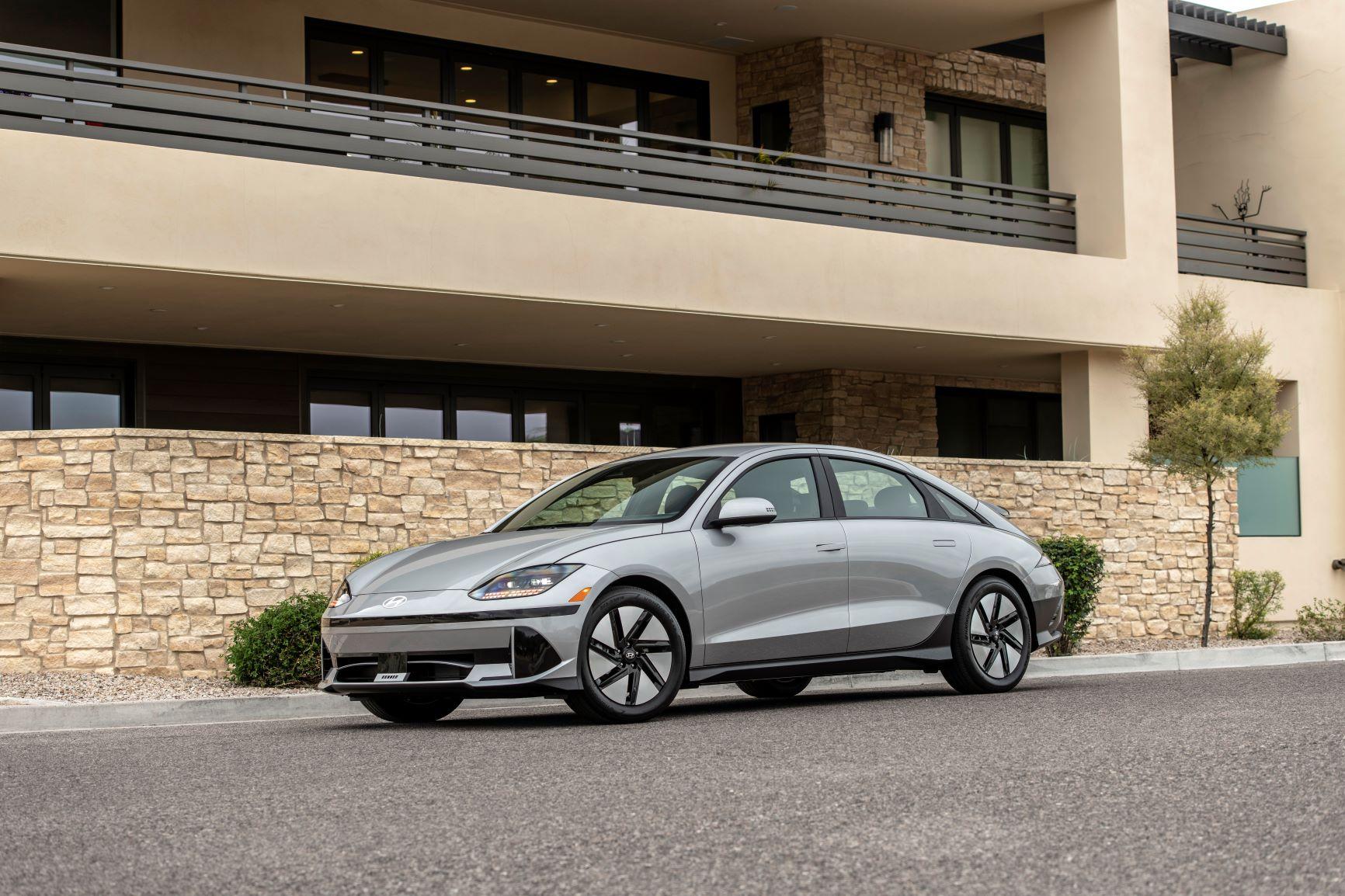
Photo: Hyundai Media Center