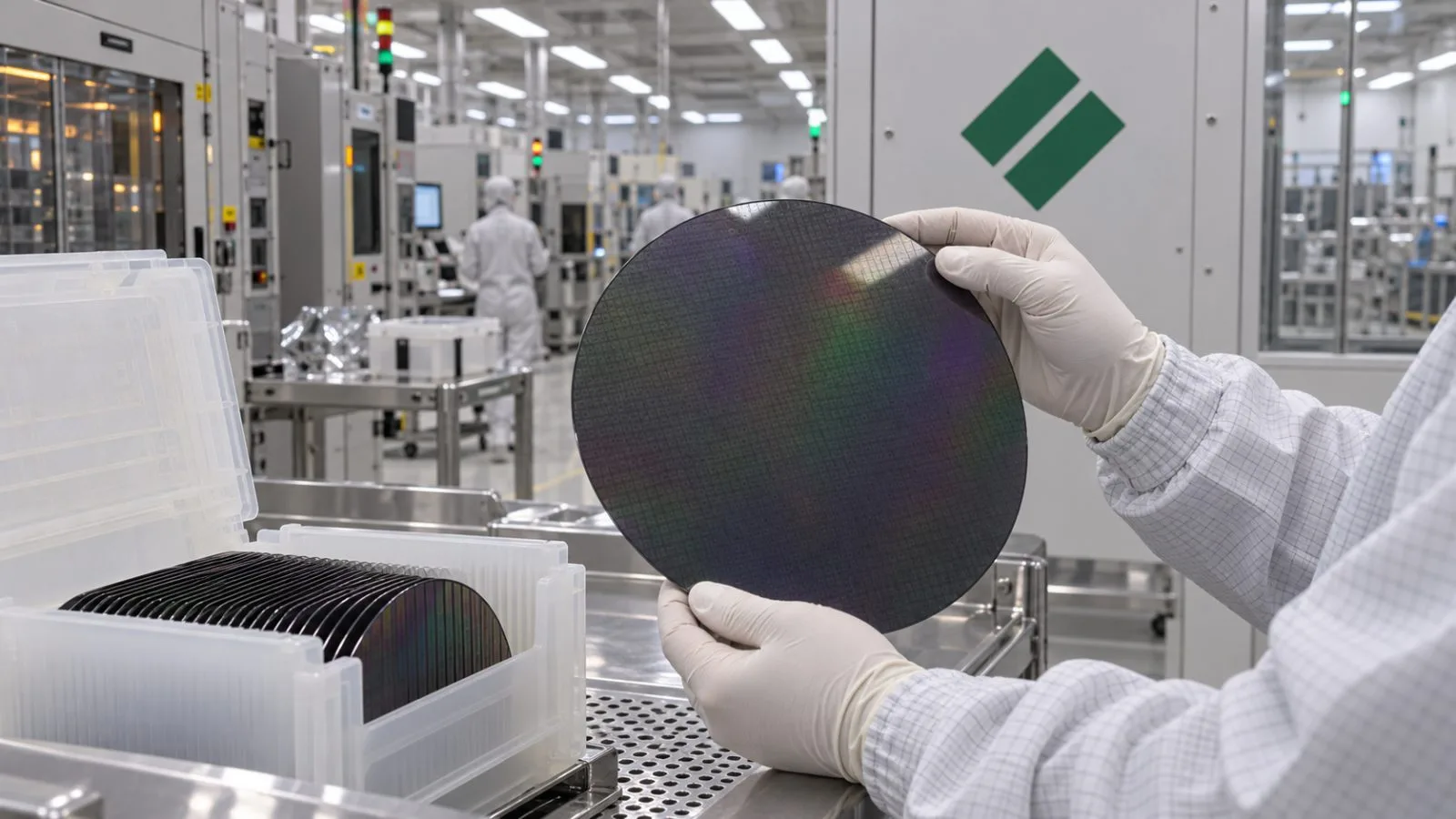
Smaller transistors have led to the creation of the modern world’s most influential technologies such as computers, smartphones, and of course, the internet. However, it would seem that chip makers are about to hit a wall in five years’ time when it comes to shrinking transistors, stopping the process for the commercial market. Now, innovators will have to find another way to advance the technology.
Moore’s law dictates that every two years, transistors become more numerous in a single space, and this is accomplished by making them smaller. However, the “Semiconductor Industry Association” has announced that this may no longer be strictly the case in the near future, according to Technology Review.
The “Association” is made up of the biggest chip makers in the world, including Intel and AMD. These are the companies that are making the processors of computers and smart devices in order to make them run faster and longer. As such, when they stated that shrinking transistors would be too costly in five years, it rightly raises concerns.
Fortunately, this does not necessarily mean that the tech industry will no longer be able to offer the kinds of increases in performance that provide a celestial computing experience. They will simply need to find another way to do it.
According to Digital Trends, one of the workarounds that have been suggested is the use of nanowires. This technology allows transistors to literally progress vertically so that they won’t have to be confined to the size and spread of integrated circuits.
Ars Technica reports that other possible technologies that could replace the current one are the use of graphene, carbon nanotubes, Germanium or III-V as the base materials for creating semiconductors. These options were already brought up by the “Association” in the past, but it seems that of all of them, III-V is the closest to being a viable choice right now.