


 SEC Sues Former Tricolor Executives Over $1.9 Billion Investor Fraud Scheme
  Trump Administration Moves to Strip ABA of Law School Accreditor Status
  U.S. Accuses Chinese AI Firms of Extracting Model Capabilities
  Iran Says It Captured US Underwater Drone Near Strait of Hormuz
  Hormuz Shipping Slows as Iran Threats Lift Oil Risks
  New Zealand Moves to Ban Social Media for Children Under 16
  Japan Foreign Reserves Plunge $79.6 Billion After Record Yen Intervention
  Asian Stocks Mixed as Korean Chipmakers Rally
  Countries Tighten Social Media Bans for Children
  FDA Names Permanent Drug and Biologics Center Chiefs
  Iran Vows Tougher Response as U.S. Sanctions Squeeze Economy
  Texas Republicans Turn Against AI Data Centers as Election Backlash Grows
  New Zealand Labour Backs Social Media Ban for Under-16s
  Trump Administration Removes Confederate Memorial Criticism From Arlington Website
  China to Inject $45 Billion Into State Financial Institutions
  Xi, Putin Reaffirm Ties With North Korea on Founding Anniversary
  Cuba Says No US Talks as Blockade Costs Hit $8.1 Billion


 Add as a preferred source on Google
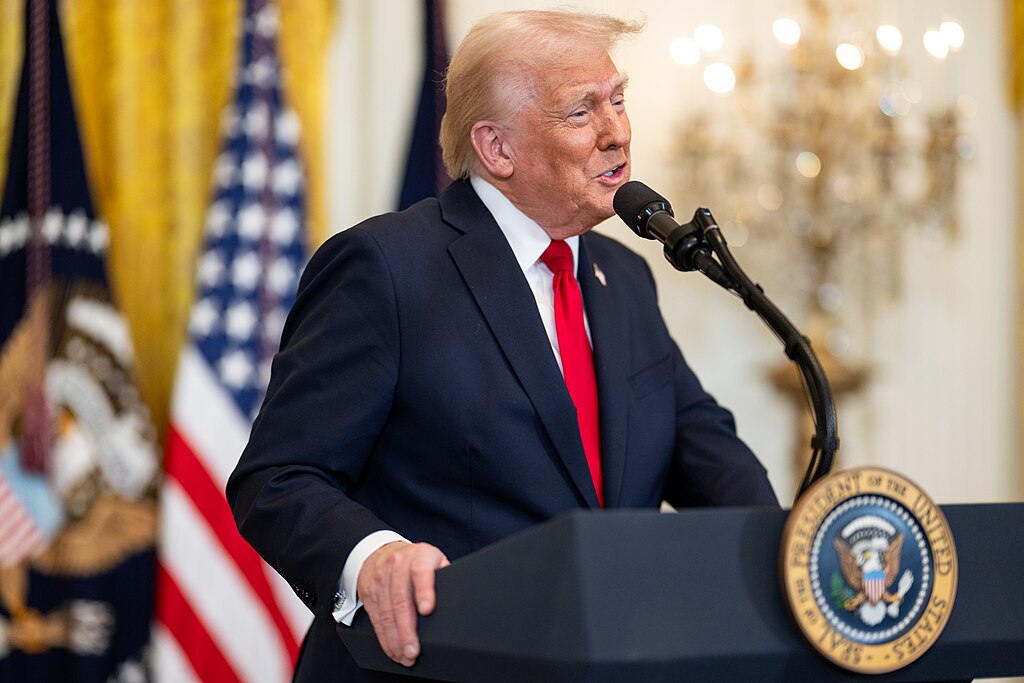
The U.S. Congressional Budget Office (CBO) cautioned that President Trump's proposed 2026 federal budget—featuring deep cuts to scientific research—could significantly hinder the introduction of new drugs. The plan suggests slashing National Institutes of Health (NIH) funding by a staggering $18 billion, a roughly 40% reduction. According to the CBO, a modest 10% decrease in NIH-preclinical research funding would shrink the pipeline of phase 1 drug candidates by one in the first decade, nine in the second, and about twenty in the third, ultimately reducing new drug approvals by 4.5%, equating to around two fewer drugs per year.
Preclinical research represents the earliest phase of discovery, meaning the full effects of NIH funding cuts would emerge gradually over decades. Although the CBO did not quantify the impact of trimming clinical-trial budgets, it warned that such cuts would accelerate the drop in new drug approvals.
In addition, Democrats asked the CBO to model the outcomes of deeper NIH cuts—between 35% and 38%—but the agency said historical data was insufficient for reliable estimates. The CBO is updating its drug development model to analyze these larger budget scenarios further.
Another concern highlighted was delays at the U.S. Food and Drug Administration (FDA). Following mass layoffs that removed 3,500 employees (some positions have since been restored), the Trump administration proposed reducing the FDA’s 2026 budget to $6.8 billion—a 5.5% decrease. The CBO found that if FDA review times for new drug applications were extended by nine months, the U.S. could see three fewer drugs approved in the first decade, and ten fewer in both the second and third decades. The agency noted that delays could have additional ramifications beyond its current analysis.
Overall, the CBO’s report underscores the potential long-term consequences of significant NIH and FDA funding reductions on American innovation and public health.







