The Trump administration is preparing additional sanctions targeting key sectors of Russia’s economy as President Vladimir Putin delays ending the war in Ukraine, according to U.S. officials. Washington has also encouraged European allies to use frozen Russian assets to fund weapons for Kyiv and is considering similar measures with assets held in the U.S.
These potential actions come after President Donald Trump imposed sanctions on Russian oil giants Lukoil and Rosneft last Wednesday, marking his first major move against Moscow since returning to office in January. The sanctions drove oil prices up by over $2 per barrel, forcing major buyers like China and India to seek alternatives. Trump said he plans to discuss China’s reduced purchases of Russian oil with President Xi Jinping during their upcoming meeting.
Further sanctions being prepared could strike Russia’s banking sector and oil export infrastructure. Ukrainian officials have proposed measures to sever Russian banks from the U.S. dollar system, though it remains unclear if Washington will adopt them. Some U.S. senators are pushing a bipartisan sanctions bill, which Trump may endorse in the coming weeks.
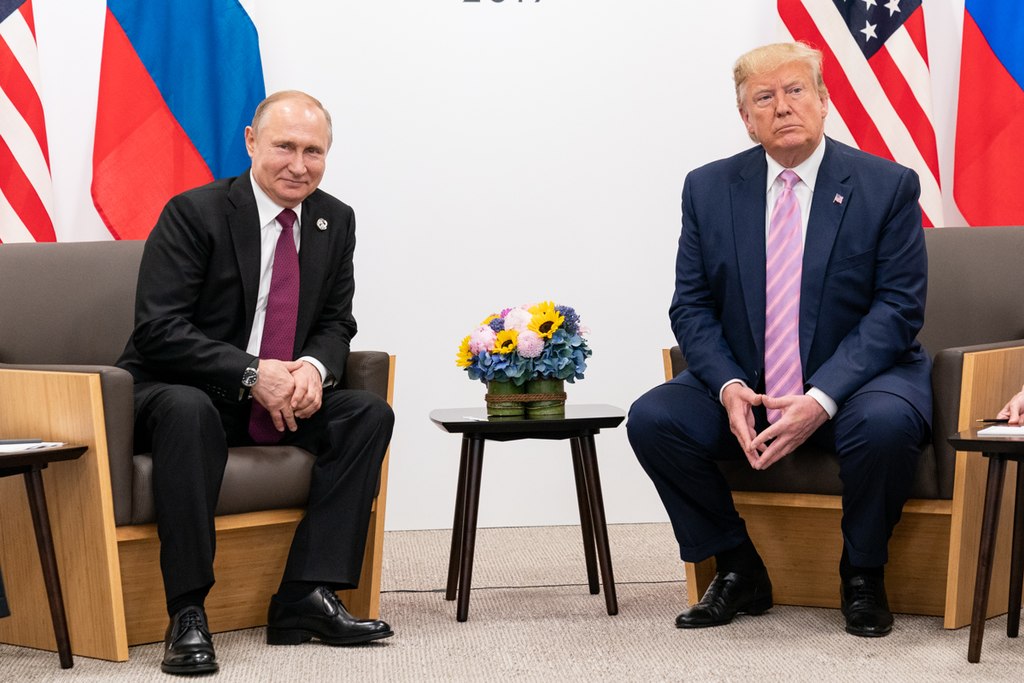
Despite portraying himself as a global peacemaker, Trump has struggled to end the more than three-year war. His August meeting with Putin in Alaska yielded no progress, and a proposed follow-up meeting was later scrapped.
European allies hope Trump maintains pressure on Moscow as they brace for potential new tariffs or sanctions. Meanwhile, Russian envoy Kirill Dmitriev expressed optimism for a diplomatic solution, while Ukrainian officials welcomed the latest sanctions.
Trump’s recent decisions reflect a turbulent week in U.S.-Russia-Ukraine diplomacy, underscoring the administration’s shifting strategy between negotiation and economic pressure.