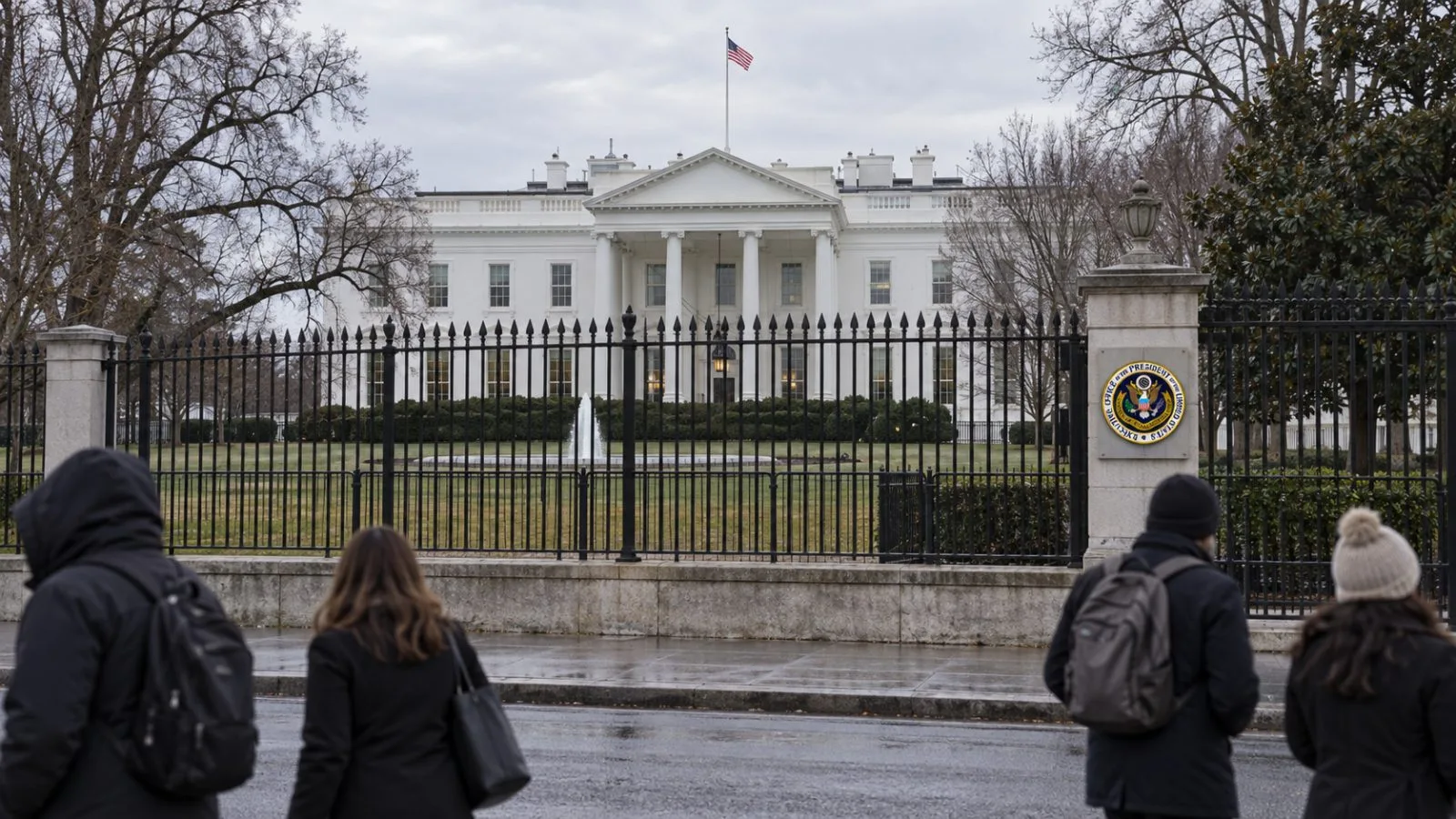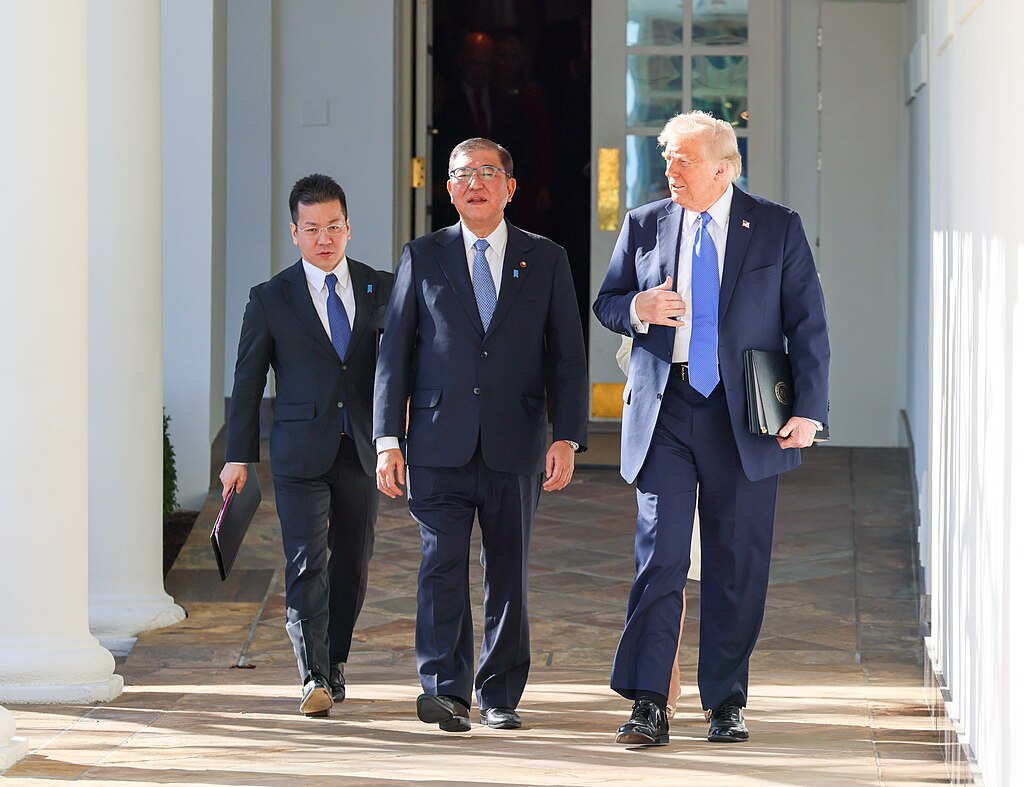
U.S. President Donald Trump announced a sweeping trade agreement with Japan on Wednesday, imposing a 15% tariff on Japanese exports to the United States. The deal includes a $550 billion investment pledge from Japan, with the U.S. set to receive 90% of the profits, according to Trump's post on social media.
As part of the agreement, Japan will open its market to American exports, including cars, trucks, rice, and other agricultural goods. Trump emphasized that the 15% tariffs are “reciprocal,” aligning with his administration’s broader effort to bring manufacturing back to the U.S. The tariff is expected to take effect August 1, alongside other tariffs targeting major economies.
This development follows reports of a meeting between Trump and Japan’s top trade negotiator, Ryosei Akazawa, at the White House on Tuesday. The agreement comes amid political turbulence in Japan, where Prime Minister Shigeru Ishiba’s ruling party suffered a setback in recent upper house elections.
Japanese media NHK reported that automakers like Toyota and Honda will be affected by the new 15% tariffs. Despite having manufacturing plants in the U.S., both companies still export key vehicle models and parts, which may lead to higher car prices for American consumers. However, their shares surged in Tokyo trading following the news.
Analysts and the Federal Reserve have warned that tariffs could fuel domestic inflation, as importers pass higher costs onto consumers. Uncertainty remains over whether the 15% tariff will be compounded by Trump’s previously proposed 25% duty on cars and 50% on steel—two sectors critical to Japan’s economy.
The deal marks a significant shift in U.S.-Japan trade relations and could have lasting implications for global trade dynamics, especially in the automotive and agricultural sectors.