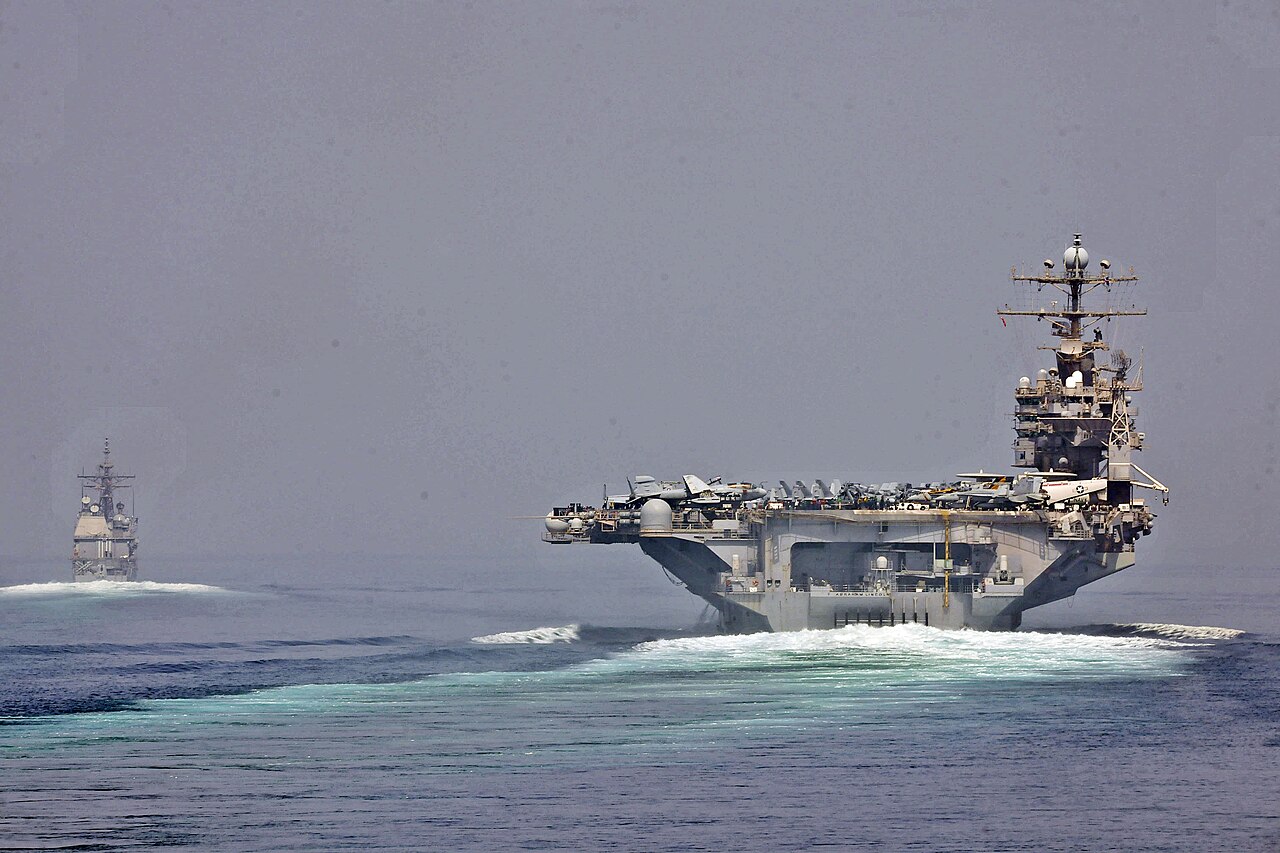
President Donald Trump announced Wednesday that the United States will actively support the flow of maritime traffic through the Strait of Hormuz, one of the world's most strategically critical waterways. Speaking publicly, Trump stated that American forces would be stationed in the area loaded with supplies, ready to ensure smooth and secure passage through the strait.
"There will be lots of positive action! Big money will be made. Iran can start the reconstruction process," Trump added, signaling both economic optimism and a potential diplomatic opening for Tehran.
The announcement follows a significant geopolitical development on Tuesday, when Trump agreed to a two-week ceasefire with Iran — a deal reached less than two hours before his self-imposed deadline. Trump had previously threatened military strikes on Iranian civilian infrastructure if Tehran refused to reopen the Strait of Hormuz to international shipping. The last-minute agreement avoided what could have been a major escalation in U.S.-Iran tensions.
The Strait of Hormuz is a narrow but vital chokepoint through which an estimated 20% of the world's oil supply passes daily, making any disruption a serious concern for global energy markets and international trade. Control or closure of the strait has long been considered one of Iran's most powerful geopolitical leverage points.
With the two-week ceasefire now in place, the U.S. military presence in the region is being positioned as a stabilizing force rather than an offensive one. Trump's remarks suggest Washington is hoping this window of de-escalation could pave the way for broader negotiations and economic recovery for Iran.
The situation remains fluid, and global markets, allied governments, and international observers are closely watching how both Washington and Tehran navigate this fragile but potentially pivotal diplomatic moment.