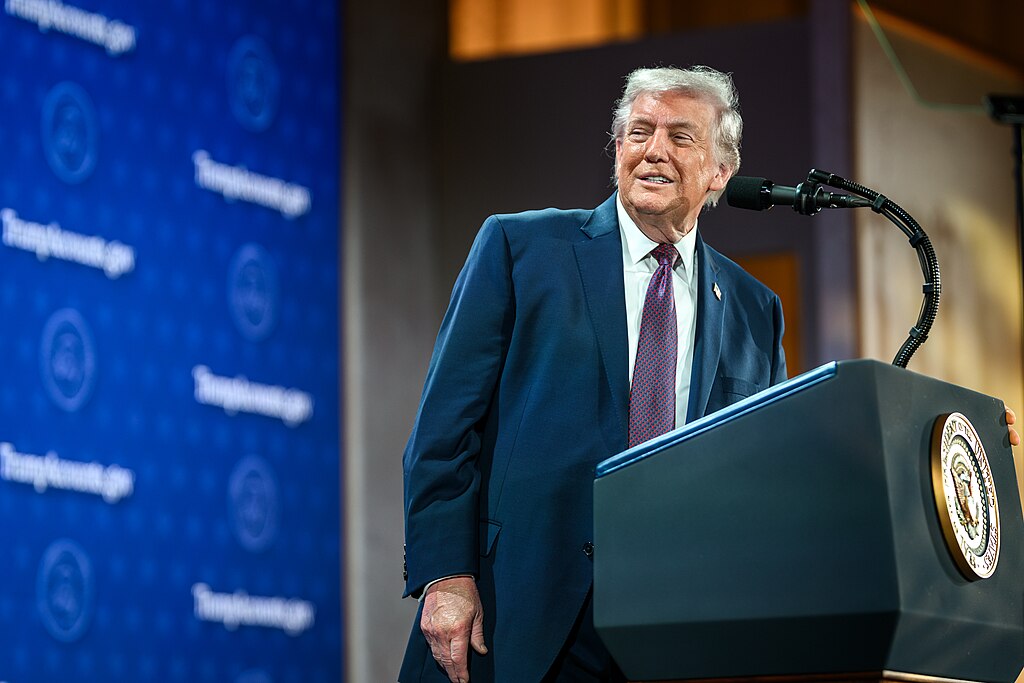
Donald Trump's decision to pause military strikes against Iran came after urgent warnings from Gulf Arab states and a serious miscalculation of Tehran's willingness to escalate, according to regional sources and geopolitical analysts familiar with the situation.
Gulf nations privately cautioned Washington that targeting Iranian power plants would invite devastating retaliation on their own energy and desalination infrastructure. Trump had threatened to strike Iran's electricity grid if Tehran refused to reopen the Strait of Hormuz — a critical waterway responsible for transporting roughly one-fifth of the world's energy supply. Iran refused to back down. The strait remained closed, oil markets surged, and global equities tumbled, exposing the limits of American pressure.
Iran simultaneously sent warnings through Arab intermediaries that any attack on its power facilities would trigger unrestricted retaliation. Former U.S. diplomat Alan Eyre noted that once Tehran demonstrated it was prepared to strike Gulf energy infrastructure, Trump had little choice but to reconsider. Alex Vatanka of the Middle East Institute added that Iran's resilience and willingness to escalate without restraint caught Washington off guard.
The White House maintained that Trump was close to achieving Operation Epic Fury's defined objectives and remained in close contact with regional partners. Behind the scenes, however, back-channel diplomacy involving Pakistan, Turkey, Egypt, and Gulf states worked to prevent wider conflict.
Analysts suggest Trump's pause reflects two possible paths forward — a tactical delay before resuming strikes or a strategic opening for broader negotiations. Iran, meanwhile, has hardened its demands, seeking security guarantees, compensation for wartime losses, and formal recognition of its influence over Hormuz. Gulf leaders, never consulted before the conflict escalated, now face years of economic damage from disrupted trade and energy flows. The conflict, analysts warn, remains far from over.