
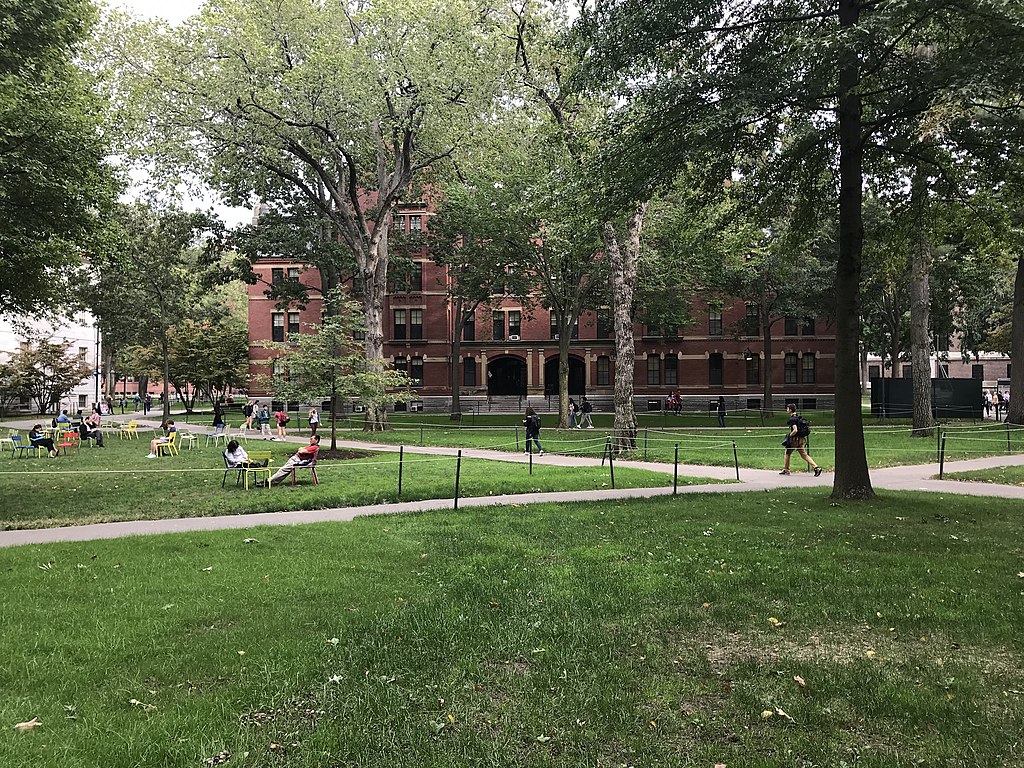
President Donald Trump stated on Wednesday that Harvard University should limit its admission of foreign students to 15%, criticizing the Ivy League school for what he described as disrespectful behavior toward the United States. Speaking from the Oval Office, Trump emphasized that Harvard must provide the administration with a current list of its international student body.
“Harvard has got to behave themselves. Harvard is treating our country with great disrespect, and all they’re doing is getting in deeper and deeper,” Trump told reporters.
Trump's remarks reflect his longstanding focus on reforming immigration policies and reshaping how elite U.S. universities interact with international students. During his administration, he often targeted academic institutions for their perceived lack of alignment with national interests, especially when it came to research ties and foreign enrollment—particularly from countries like China.
The proposed 15% cap would significantly affect Harvard, which has historically drawn a large number of students from abroad. While the university has not yet issued a response to Trump's comments, such a policy could have broad implications for international education in the U.S., where foreign students contribute billions to the economy and enhance global academic collaboration.
Trump’s call adds fuel to the ongoing debate over the role of international students in American higher education. Supporters of the cap argue it would prioritize opportunities for U.S. citizens and protect national security, while critics warn it could undermine diversity, innovation, and the country’s global competitiveness.
The president's comments come as conservative voices increasingly question the influence and governance of elite institutions like Harvard. The debate is likely to intensify ahead of the upcoming election cycle, where immigration and education are expected to be key issues.


