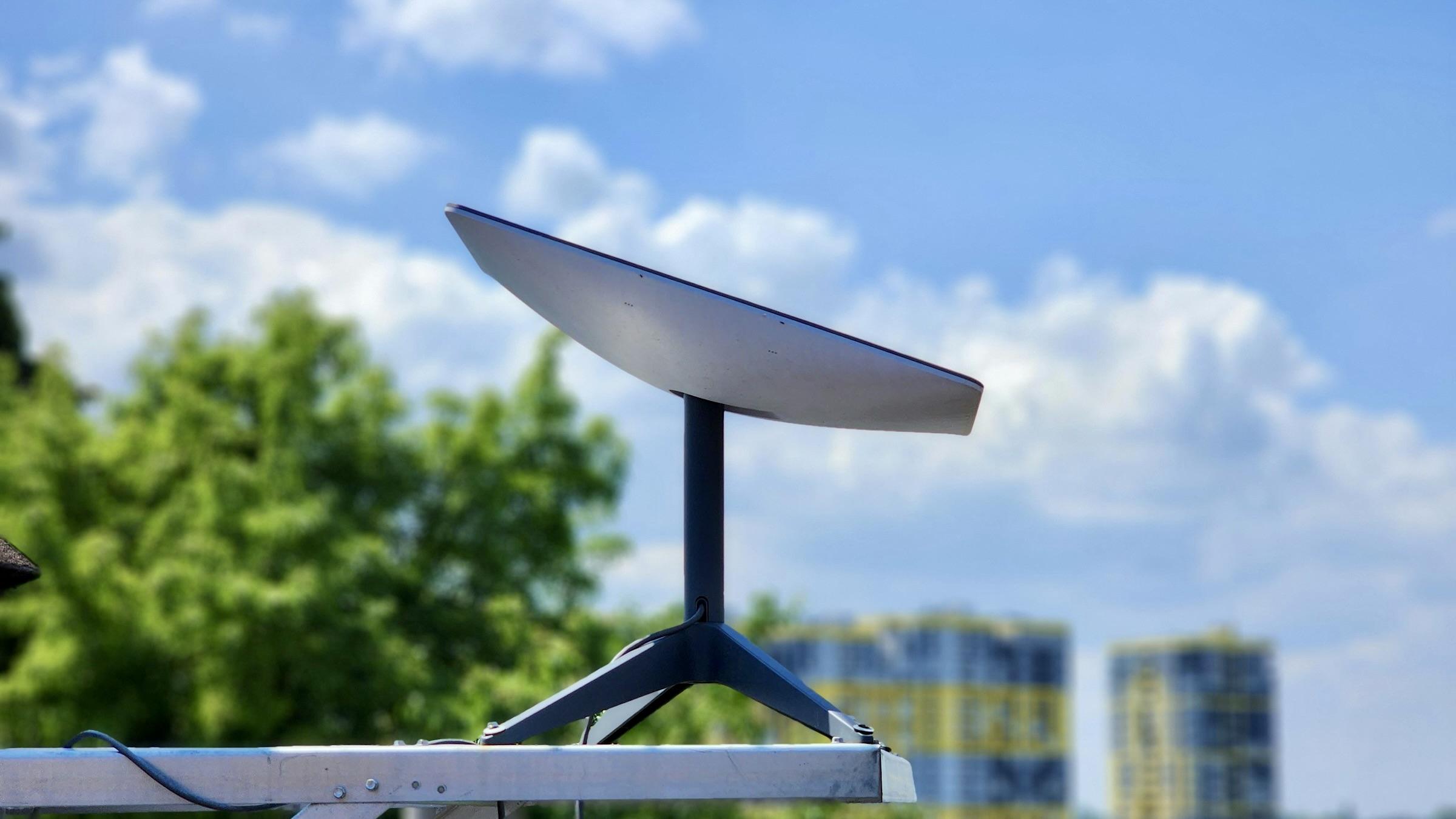
U.S. President Donald Trump said on Sunday that he is considering discussions with billionaire entrepreneur Elon Musk about restoring internet access in Iran, where authorities have imposed widespread blackouts amid ongoing anti-government protests. The comments have sparked renewed attention on the potential role of SpaceX’s satellite internet service, Starlink, in providing connectivity during political crises.
Speaking to reporters, Trump praised Musk’s technological capabilities and his companies’ track record, noting that Musk is “very good at that kind of thing” and runs “a very good company.” The president was responding to questions about whether he would reach out to SpaceX to help counter Iran’s internet shutdowns, which have disrupted communication for millions of people and drawn criticism from human rights groups and international observers.
Starlink, operated by SpaceX, has previously been used in Iran and other regions facing internet restrictions, allowing users to bypass government controls through satellite-based connectivity. While Starlink’s use in sanctioned countries raises legal and diplomatic complexities, it has increasingly been viewed as a tool to support free flow of information during periods of unrest.
The relationship between Trump and Musk has been notably complex. Musk played a significant role in funding Trump’s successful presidential campaign and later worked closely with his administration, particularly during efforts to reduce the size of the federal government. However, the two experienced a public rift last year after Musk opposed Trump’s signature tax legislation, leading to a highly visible falling-out.
Recent developments suggest a thaw in their relationship. Trump and Musk were seen dining together at Trump’s Mar-A-Lago resort earlier this month, fueling speculation that the two influential figures may be rebuilding their political and business ties. This renewed rapport has added credibility to Trump’s comments about potentially engaging Musk on the issue of internet access in Iran.
Neither Musk nor SpaceX immediately responded to requests for comment regarding Trump’s remarks. Still, the possibility of Starlink being used to restore internet access in Iran highlights the growing intersection of technology, geopolitics, and free speech, as satellite internet services continue to reshape how information flows during times of political turmoil.