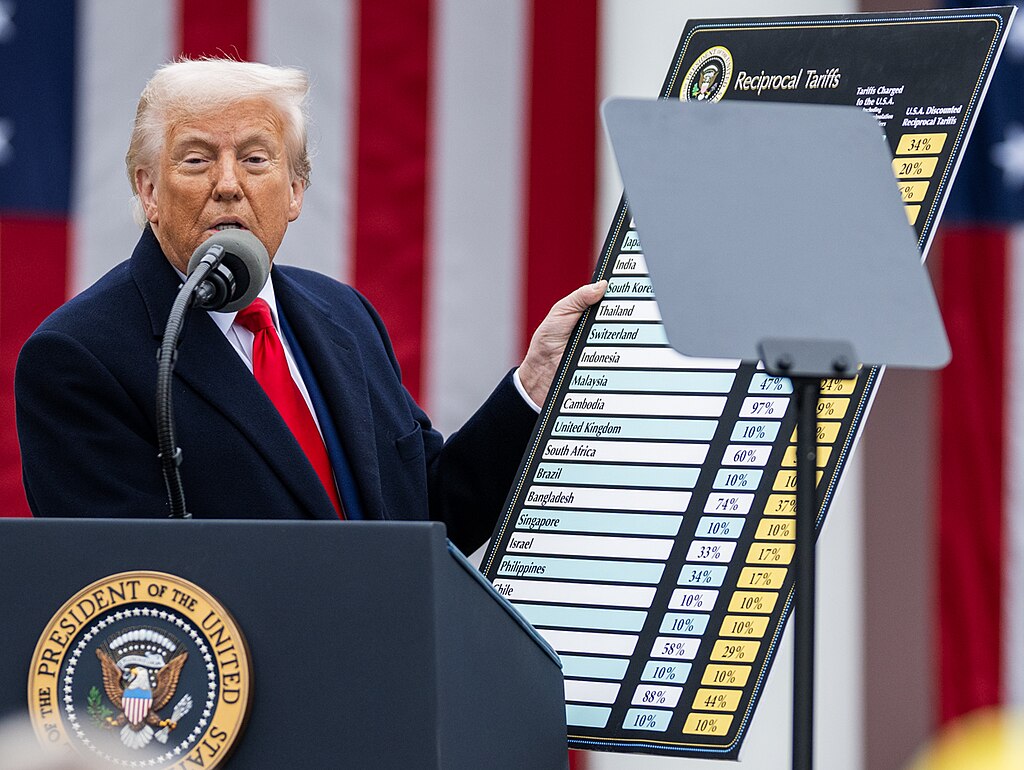
President Donald Trump addressed growing concerns over the U.S. economy after a surprise first-quarter GDP contraction, attributing the decline to "distortions" from import surges and inventory shifts due to tariff-related stockpiling. The Commerce Department reported the first economic shrinkage in three years, driven by businesses racing to import goods ahead of Trump's tariff hikes.
Despite the negative data, Trump maintained an optimistic outlook, citing strong business investment and consumer spending. During a Cabinet meeting, he blamed former President Joe Biden for the economic weakness while also claiming credit for a potential rebound. Trump’s trade adviser, Peter Navarro, called it “the best negative print” he had ever seen, arguing it reflected proactive business behavior.
The mixed messaging comes as Trump crosses the 100-day mark in office. A recent Reuters/Ipsos poll shows his approval slipping to 42%, with disapproval at 53%. His handling of the economy drew just 36% approval—the lowest of his term—with disapproval rising to 56%.
Recession fears are mounting as Trump’s escalating trade war, especially with China, threatens global supply chains and investor confidence. Economists warn that unless tariffs are reversed quickly, a midyear recession may be unavoidable. Private-sector analysts pointed to Trump’s policies—not Biden’s legacy—as the key factor behind the downturn.
Democrats were quick to react. House Minority Leader Hakeem Jeffries called it "the Trump economy" and labeled it a failure. Meanwhile, Treasury Secretary Scott Bessent highlighted falling energy prices, stable mortgage rates, and Trump’s vision of turning the U.S. into an AI and manufacturing powerhouse.
As market volatility continues, Trump distanced himself from stock performance, saying he takes neither credit nor blame. The administration remains divided on the narrative, as economic challenges grow ahead of the next election cycle.