


 ECB Set for September Rate Hike as Energy Prices Fuel Inflation
  Trump Hails AfD Election Win, Blames Germany Immigration Rules
  US Tightens Cuba Sanctions, Targets Officials and State Entities
  US Bans Canadian Alcohol, Motorcycles as Trade War Escalates
  US Stock Futures Mixed as Fed Rate Hike Bets Rise
  Japanese Yen Nears Seven-Month High as Oil Approaches $100
  Iran Strikes U.S.-Used Jordan Base as Gulf War Escalates
  Iran Allows Iraqi Oil Tankers Through Strait of Hormuz
  China Boosts Gold Reserves by 650,000 Ounces as Prices Rally
  FDA Names Permanent Drug and Biologics Center Chiefs
  Kyiv Mothers Give Birth Amid Russian Drone Attacks
  New Zealand Moves to Ban Social Media for Children Under 16
  China Inflation Accelerates in August as CPI, PPI Rise
  Xi, Putin Reaffirm Ties With North Korea on Founding Anniversary
  New Zealand Labour Backs Social Media Ban for Under-16s
  Iran Vows Tougher Response as U.S. Sanctions Squeeze Economy


 Add as a preferred source on Google
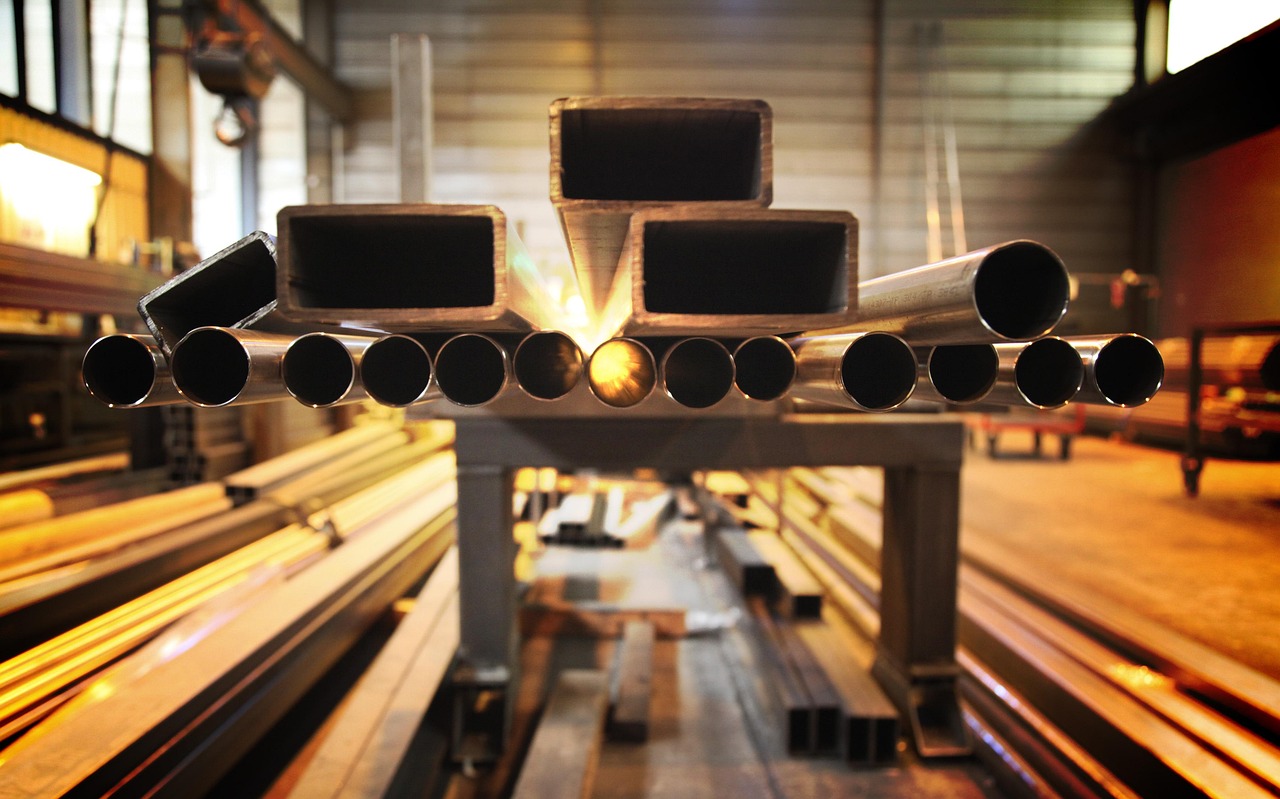
U.S. President Donald Trump announced a sharp increase in tariffs on imported steel and aluminum, raising rates from 25% to 50% during a rally in Pennsylvania. The move, aimed at boosting the U.S. steel industry, comes amid escalating trade tensions with major global partners.
Speaking near Pittsburgh at a U.S. Steel plant, Trump emphasized the importance of protecting American jobs, linking the tariff hike to a $14.9 billion deal between Nippon Steel and U.S. Steel. He later confirmed via social media that the increased tariffs will also apply to aluminum products and will take effect Wednesday.
The U.S. remains the world’s largest steel importer, bringing in 26.2 million tons in 2024. Industry experts predict the tariff hike will drive up steel prices and impact both businesses and consumers.
Cleveland-Cliffs Inc. (NYSE: CLF), a leading U.S. steelmaker, saw its shares surge 26% in after-hours trading following the announcement, as investors anticipated a boost in profitability from reduced foreign competition.
Global reactions were swift and critical. Canada’s Chamber of Commerce called the move harmful to North American economic security, while Australia condemned it as “unjustified.” Trade Minister Don Farrell warned the tariffs would damage key trade relationships and hurt consumers.
The increased levies fall under Section 232 national security measures, covering both raw metals and finished goods like aluminum cookware and steel hinges. In 2024, the U.S. imported $147.3 billion worth of steel and aluminum products across 289 categories.
This latest escalation mirrors Trump’s previous trade wars, including the $50 billion in tariffs imposed on Chinese goods in 2018. With Pennsylvania being a pivotal battleground state, Trump’s protectionist policy may be as much about politics as it is about industry.







