


 US Judge Dismisses Imran Ahmed Deportation Lawsuit
  Countries Tighten Social Media Bans for Children
  SEC Probes Banks Over Situational Awareness Hedge Fund Collapse
  Guterres Urges Stronger Global AI Safeguards Ahead of UN Assembly
  Houthis Escalate Saudi Attacks as Red Sea Oil Risks Grow
  Trump Administration Removes Confederate Memorial Criticism From Arlington Website
  Judge Blocks Trump Rule Limiting Foreign Student Visas
  Europe can’t achieve space sovereignty alone. Here’s why
  Global Poll Shows Rising Trust in Institutions as US-China Leadership Support Falls
  UK PM Andy Burnham Set for First Trump Meeting in New York
  New Zealand Moves to Ban Social Media for Children Under 16
  US Confirms Weapons in Orbit as Space Tensions Rise
  Ukraine Tests New Anti-Drone Weapon After Successful Shahed Intercept
  France Targets Shein, Temu With Fast-Fashion Fees
  US Bans Canadian Alcohol, Motorcycles as Trade War Escalates
  FDA Names Permanent Drug and Biologics Center Chiefs
  South Korea’s Cho Hyun to Meet Rubio in Washington


 Add as a preferred source on Google
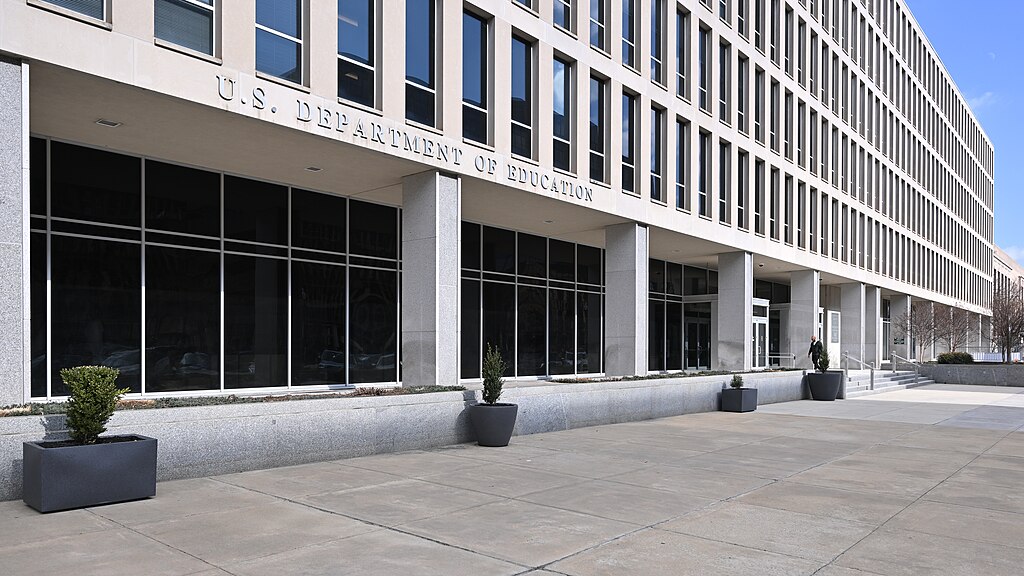
The U.S. Education Department announced Thursday that it is eliminating several long-standing disparate impactregulations, a move that has drawn strong criticism from civil rights organizations and marks another step in the Trump administration’s effort to roll back diversity-related policies.
Disparate impact rules have historically prohibited policies or practices that produce discriminatory effects, even when discrimination is not intentional. The regulations have been used for decades to challenge policies that disproportionately affect certain racial or ethnic groups.
The decision follows President Donald Trump’s April 2025 executive order directing federal agencies to stop enforcing disparate impact standards. The administration argues that such regulations encourage race-based decision-making and undermine merit-based policies.
According to the Education Department, the removed rules discouraged schools from taking appropriate disciplinary action against disruptive students from minority groups and pressured educational institutions to consider race when making policy decisions.
Assistant Secretary for Civil Rights Kimberly Richey said the changes would allow schools to maintain safe learning environments without concerns that federal anti-discrimination laws could be used against them. She argued that the administration’s approach prioritizes classroom safety over what she described as the left’s interpretation of "equity."
The policy shift immediately prompted backlash from a coalition of 60 civil rights and education organizations. In a joint statement, the groups said the eliminated regulations are essential for addressing systemic discrimination and ensuring equal educational opportunities for all students.
The organizations warned that seemingly neutral policies involving school discipline, closures, or resource allocation can disproportionately affect Black, Native American, Hispanic, Asian American, and Pacific Islander students. They argued that disparate impact protections help identify and remove barriers that unfairly disadvantage these communities.
The Education Department’s latest action reflects the broader Trump administration campaign to dismantle diversity, equity, and inclusion initiatives, which the president has argued are discriminatory and incompatible with merit-based standards. Civil rights advocates, however, contend that removing these safeguards weakens protections against systemic discrimination and could deepen educational inequalities across the United States.







