
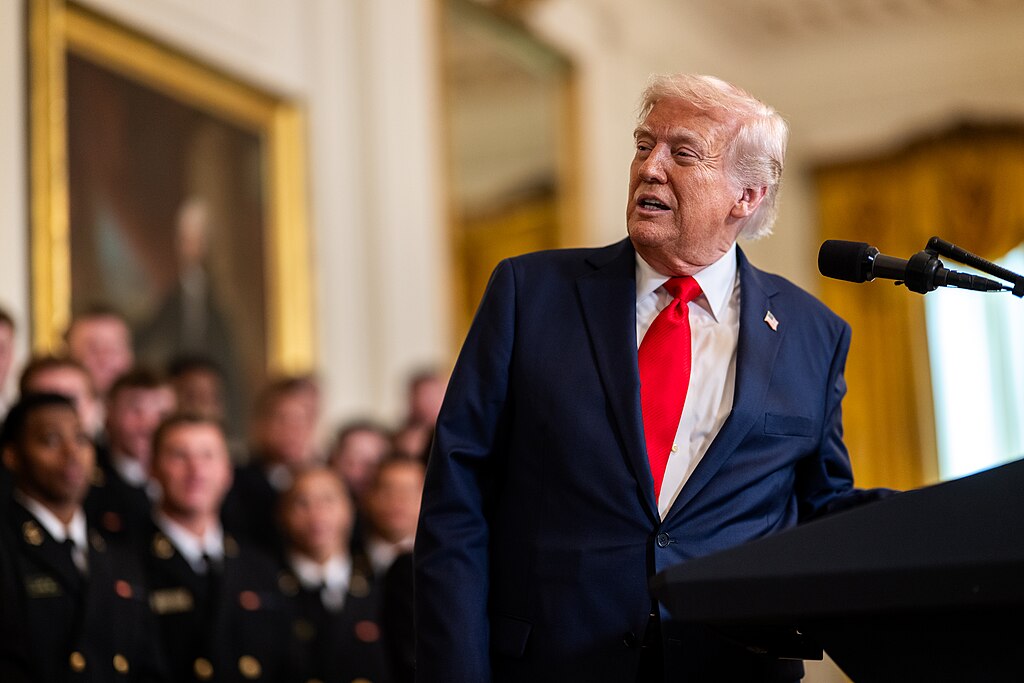
U.S. President Donald Trump stressed the importance of maintaining financial liquidity to address potential national emergencies as the partial government shutdown reached its 37th day. Speaking to reporters at the White House on Thursday, Trump said the country must stay prepared for unforeseen events, including economic crises, natural disasters, and military conflicts.
“Our country has to remain very liquid because problems—catastrophes, wars, could be anything,” Trump stated. His remarks came after a court ordered the administration to ensure full funding of food assistance for 42 million low-income Americans by Friday.
The President emphasized that while he recognizes the financial demands of federal programs, the United States must not compromise its fiscal flexibility. “We have to remain liquid. We can’t give everything away based on a number,” Trump said, underscoring his concern about overspending during uncertain times.
Trump’s comments came as the government shutdown—then the longest in U.S. history—continued to affect millions of federal workers and vital public services. The standoff between the White House and Congress centered on funding for border security, which had delayed budget approvals and disrupted government operations.
Economists have warned that prolonged shutdowns can weaken economic stability, but Trump maintained that fiscal discipline is key to national resilience. His call for liquidity reflects a broader strategy to preserve economic strength and respond swiftly to emergencies that could strain federal resources.
As the shutdown persisted, pressure mounted on both the administration and lawmakers to reach an agreement and restore government functionality. Trump’s insistence on maintaining liquidity highlights his administration’s focus on long-term financial preparedness even amid short-term political challenges.


