U.S. President Donald Trump left the G7 summit in Canada early due to escalating tensions in the Middle East, particularly between Israel and Iran. White House Press Secretary Karoline Leavitt confirmed the departure, citing the urgent situation and Trump's dinner with fellow heads of state as his final engagement at the summit.
French President Emmanuel Macron revealed Trump proposed a ceasefire between Israel and Iran, a move he welcomed as potentially opening the door to broader peace talks. Trump previously called for immediate evacuation of Tehran and criticized Iran for not signing a nuclear deal with the U.S.
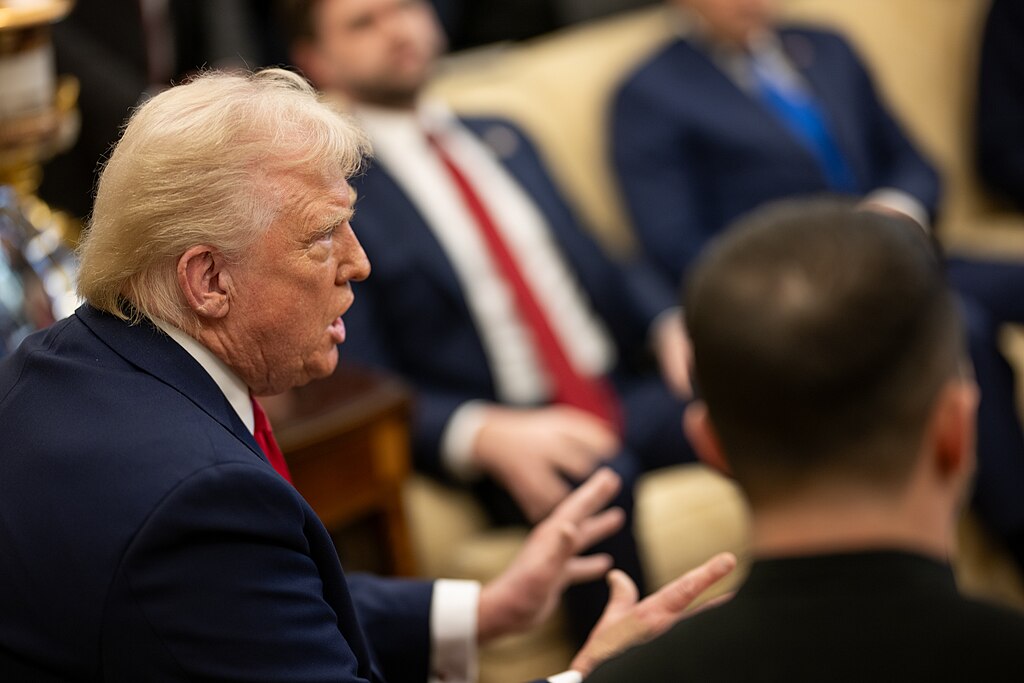
Tensions within the G7 were already high. Trump refused to endorse a draft statement urging de-escalation in the Israel-Iran conflict and criticized the 2014 decision to expel Russia from the then-G8, arguing it led to the Ukraine war. “Putin speaks to me, not to others,” Trump claimed, implying closer ties with Moscow than other leaders.
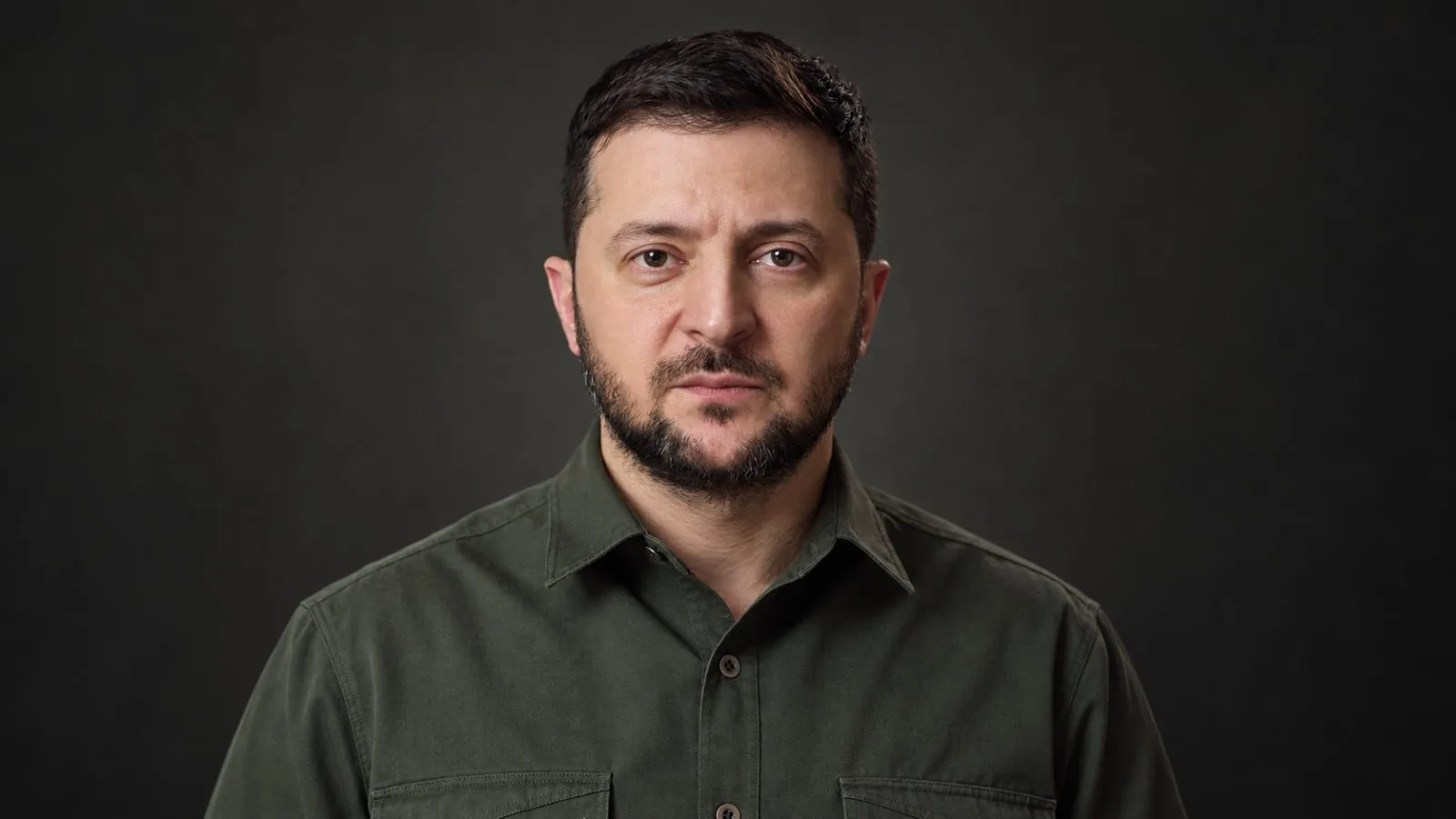
His comments undermined efforts by European leaders to push for stricter sanctions on Russia, casting doubt on Ukrainian President Volodymyr Zelenskiy’s upcoming talks. Despite challenges, Zelenskiy is still expected to attend.
G7 unity has frayed over major global issues, including the Ukraine war, Middle East conflict, and trade policy. Trump and U.K. Prime Minister Keir Starmer finalized a bilateral trade deal, while talks with Canada remain contentious due to Trump’s insistence on tariffs—a stance Canada opposes.
The summit, hosted in Kananaskis, Alberta, has seen several draft communiques on AI, migration, and critical minerals, but none have received U.S. backing. A European diplomat said without Trump’s presence, issuing any joint statement remains uncertain. The summit also included leaders from Mexico, India, Australia, South Korea, South Africa, Brazil, and Ukraine.