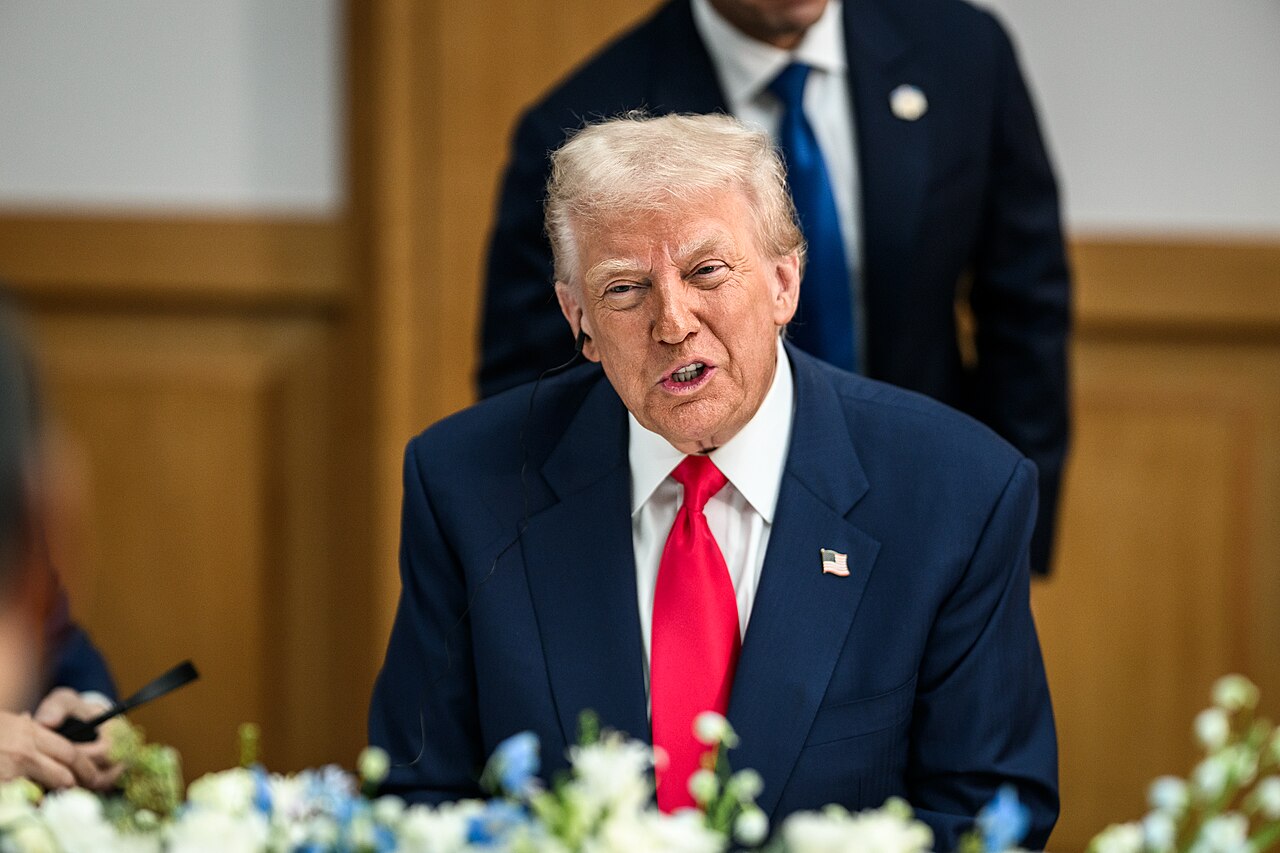
NATO leaders gathered in Ankara on Wednesday hoping to persuade U.S. President Donald Trump to reaffirm Washington’s commitment to the alliance after renewed tensions over the Iran conflict, U.S. troop deployments in Europe, and Trump’s continued interest in Greenland.
Upon arriving in Turkey on Tuesday, Trump said he had considered skipping the summit and attended largely because of his relationship with Turkish President Recep Tayyip Erdogan. He also declined to rule out additional U.S. troop withdrawals from Europe, raising concerns among NATO allies about the future of American military support.
Ahead of the summit, NATO highlighted more than $50 billion in new defense agreements, underscoring efforts by European members to increase military spending and reduce dependence on the United States. The move aligns with Trump’s long-standing demand that European allies shoulder more of the alliance’s defense burden.
Trump criticized NATO once again, saying he was "very disappointed" with the alliance and arguing that European countries failed to adequately support the United States during the recent U.S.-Israeli military campaign against Iran. He questioned why Washington continues to invest heavily in European security while receiving limited support in return. Trump also accused some European governments of restricting U.S. access to military bases and airspace during the conflict, although European officials maintain they largely met their obligations despite not being consulted before the military operation.
Relations with Italian Prime Minister Giorgia Meloni also appeared strained. Trump said their relationship had "become a little bad" after Italy declined to assist the U.S. during the Iran conflict, though he still described Meloni as a "nice person." Italian officials have since attempted to ease tensions.
Trump also reiterated that Greenland should come under U.S. control, prompting Danish Prime Minister Mette Frederiksen to reaffirm that Greenland remains part of the Kingdom of Denmark and is not for sale.
NATO ambassadors have approved a summit declaration reaffirming the alliance’s "ironclad commitment" to collective defense, pending final endorsement by member leaders. European governments continue increasing defense investments while seeking an orderly transition as the U.S. shifts more of its military focus toward the Indo-Pacific, aiming to prevent security gaps that Russia could exploit.