


 Gold Prices Rebound as Dollar Weakens, Fed Decision Looms
  China Boosts Gold Reserves by 650,000 Ounces as Prices Rally
  China to Inject $45 Billion Into State Financial Institutions
  Trump Rallies Republicans at Dallas Midterm Convention
  US Bans Canadian Alcohol, Motorcycles as Trade War Escalates
  Countries Tighten Social Media Bans for Children
  Canada Retaliatory Tariffs on U.S. Goods Take Effect
  Australia Plans New Rules Giving Users Control Over Social Media Feeds
  Chris Hipkins Targets Cost-of-Living Relief in New Zealand Election
  UK Food Inflation Forecast to Hit 6.4% by Mid-2027
  Asian Stocks Mixed as Korean Chipmakers Rally
  Xi, Putin Reaffirm Ties With North Korea on Founding Anniversary
  Brent Oil Tops $100 as Middle East Conflict Threatens Supply
  UK House Prices Fall for First Time Since 2023
  Trump’s ‘New America’ Proposal Draws Backlash in New Mexico
  SEC Seeks ISS Client Voting Records in Proxy Adviser Probe


 Add as a preferred source on Google
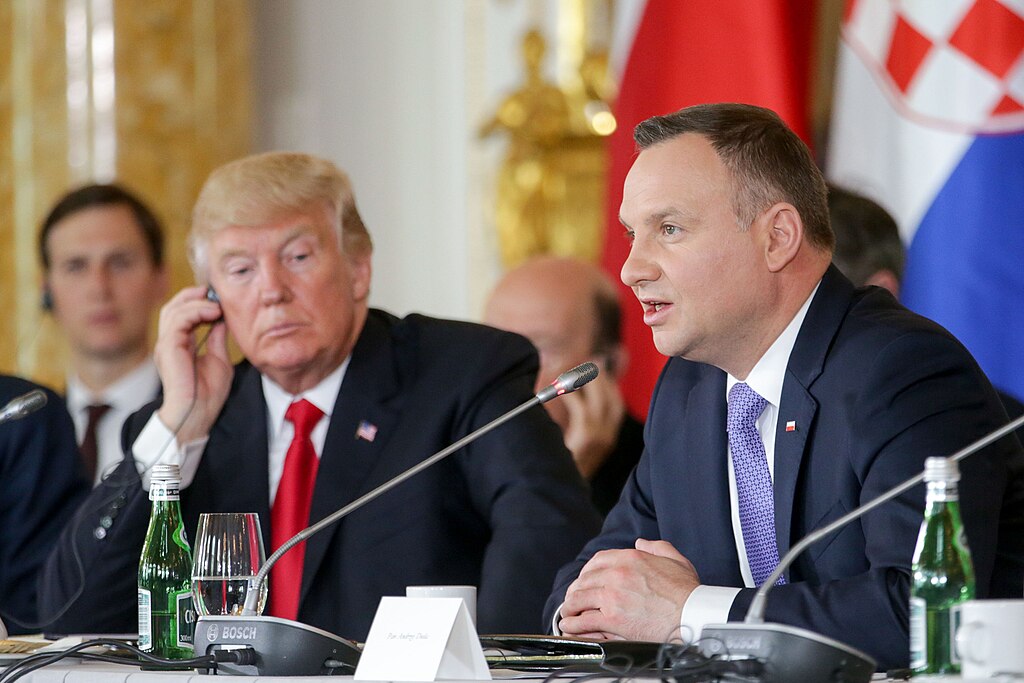
U.S. President Donald Trump announced a 25% tariff on auto and auto parts imports, effective April 3, citing continued threats to the country’s industrial base and national security. The decision revives a 2019 Commerce Department report under Section 232 of the Trade Expansion Act, which found foreign automotive imports weaken domestic manufacturing and defense capabilities.
Trump argued that the COVID-19 pandemic worsened the imbalance, and trade agreements with South Korea, Canada, and Mexico failed to shift the status quo. “Only half of vehicles sold in the U.S. are domestically manufactured,” his proclamation noted, raising concerns about jobs and technological investment. The U.S. imported $474 billion in auto products in 2024, with top suppliers including Mexico, Japan, South Korea, Canada, and Germany.
The move drew mixed reactions. Labor unions, like the United Auto Workers, welcomed the policy as a long-overdue shift favoring American workers. However, industry experts warned the tariffs could raise car prices by thousands and cause job losses due to heavy reliance on imported parts.
Trump has long criticized the European Union’s 10% vehicle import duty, contrasting it with the U.S. 2.5% rate on passenger cars. The U.S. already imposes a 25% tariff on imported pickup trucks from countries outside NAFTA.
The White House said a 2023 study showed tariffs from Trump’s first term reduced Chinese imports and increased domestic output with minimal price impact. By reinstating the Section 232 findings, Trump’s team positioned the new tariffs for swift enforcement, leveraging past legal precedent.
Critics remain skeptical about whether higher tariffs will lead to increased U.S. auto exports, noting the North American market's profitability as a major barrier to reshaping global trade dynamics.







