


 Iran Vows Tougher Response as U.S. Sanctions Squeeze Economy
  Gold Holds Near $4,400 as Fed Hike Bets Rise
  China Expands Influence in Global Gold Market
  New Zealand Moves to Ban Social Media for Children Under 16
  Ecuador Backs U.S. Sinking of Vessels in Pacific Anti-Drug Operation
  Netanyahu Orders West Bank Settler Outposts Dismantled
  UK House Prices Fall for First Time Since 2023
  China to Inject $45 Billion Into State Financial Institutions
  Flavio Bolsonaro Rallies Brazil Opposition Ahead of Election
  SEC Probes Banks Over Situational Awareness Hedge Fund Collapse
  Judge Blocks Trump Mail Voting Order Ahead of 2026 Midterms
  Hungary Industrial Output Beats Forecasts With 4.7% July Growth
  Trump Imposes New US Tariffs on Drone Imports Over National Security Concerns
  Canada Retaliatory Tariffs on U.S. Goods Take Effect
  Trump Administration Pauses Visa Appointments Worldwide
  Trump Grants Clemency to Jay-Z Associate Emory Jones


 Add as a preferred source on Google
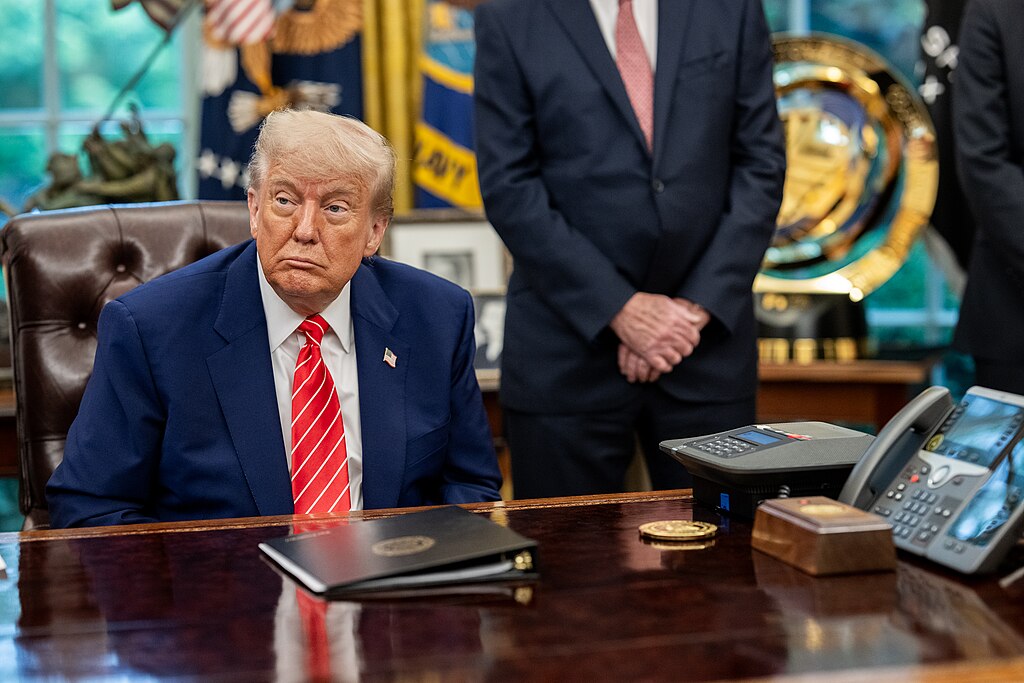
U.S. President Donald Trump has announced a temporary 10% global import tariff after the Supreme Court struck down his previous tariff program imposed under the International Emergency Economic Powers Act (IEEPA). The new tariffs, signed through executive orders, will take effect Tuesday under Section 122 of the Trade Act of 1974 and remain in place for up to 150 days.
The move replaces duties ranging from 10% to 50% that the high court ruled illegal, while halting collection of the invalidated tariffs. Section 122 allows the president to impose tariffs of up to 15% for 150 days to address significant balance of payments deficits without requiring a formal investigation. The administration justified the action by citing a “large and serious balance of payments deficit” that it said is worsening.
Certain exemptions remain intact, including aerospace products, passenger vehicles and light trucks, USMCA-compliant goods from Mexico and Canada, pharmaceuticals, critical minerals, and selected agricultural products. Treasury Secretary Scott Bessent stated that the revised tariff structure, along with potential measures under Section 301 and Section 232, would keep overall tariff revenue in 2026 largely unchanged.
Trump also directed the U.S. Trade Representative to launch new Section 301 investigations into alleged unfair trade practices by specific countries, though no official targets were named. Existing probes involving China and Brazil could expand to include other major trading partners such as Vietnam and Canada. While Section 301 investigations typically take up to a year, the administration indicated it would move faster.
Legal challenges are expected, but experts note that the 150-day limit could outlast court proceedings. Meanwhile, roughly $175 billion in tariff revenue collected under the invalidated IEEPA measures may face refund disputes, a process Trump suggested could take years to resolve.
The shift toward established trade statutes introduces more structured procedures and public comment requirements, potentially bringing greater transparency to U.S. trade policy while maintaining leverage in ongoing trade negotiations.







