U.S. consumer prices rose less than expected in January, offering modest relief to households as gasoline and rental costs eased. However, persistent increases in service-related expenses suggest the Federal Reserve may hold off on cutting interest rates until later in the year.
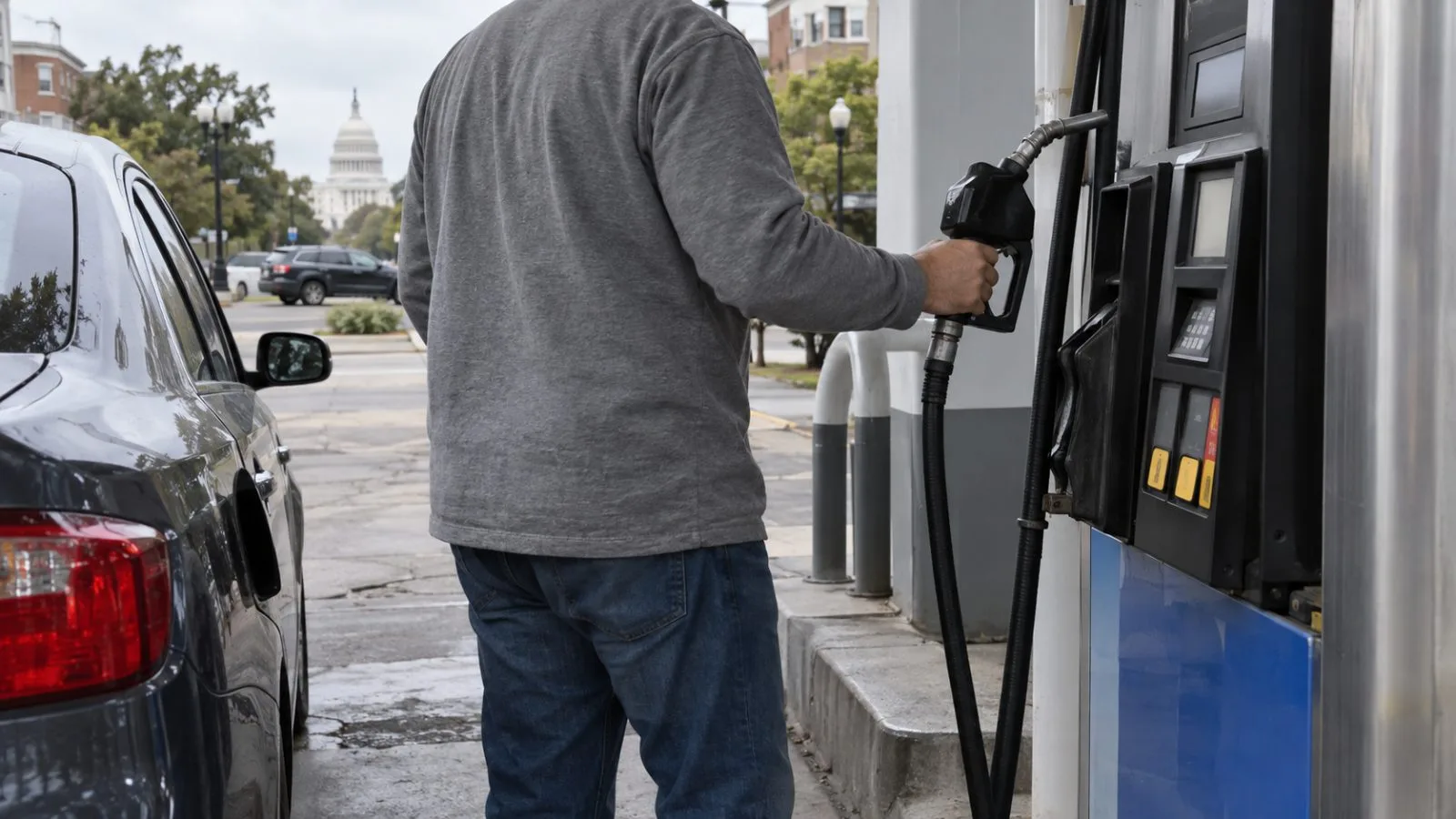
According to the Labor Department, the Consumer Price Index (CPI) increased 0.2% in January, following a 0.3% rise in December and below economists’ forecasts of 0.3%. On an annual basis, inflation slowed to 2.4%, down from 2.7% in December. The moderation was largely due to falling gasoline prices, which dropped 3.2% month-over-month, and softer shelter costs, including rents and hotel stays, which rose 0.2%.
Food prices climbed 0.2% in January after jumping 0.7% in December. Grocery prices edged higher, though declines in beef, eggs, coffee, and fresh produce helped offset increases in cereal and baked goods. Despite monthly relief, food prices remain 2.9% higher than a year ago. Electricity prices dipped slightly in January but surged 6.3% year-over-year, partly reflecting rising energy demand from data centers supporting artificial intelligence infrastructure.
Core CPI, which excludes volatile food and energy prices, increased 0.3% after a 0.2% gain in December. Service inflation remained firm, with airline fares soaring 6.5% and hospital services rising 0.9%. Personal care, recreation, and communication services also recorded notable increases. Meanwhile, used car prices fell 1.8%, helping keep overall core goods prices stable.
Year-over-year core inflation slowed to 2.5%, its lowest level since March 2021. Still, both CPI and the Federal Reserve’s preferred Personal Consumption Expenditures (PCE) price index remain above the Fed’s 2% target. Strong job growth and a 4.3% unemployment rate further reduce urgency for immediate rate cuts.
While financial markets are increasingly betting on a potential June rate cut, economists expect inflation to remain sticky in the first half of the year, influenced by import tariffs and the weaker U.S. dollar.