


 Judge Blocks Trump Rule Limiting Foreign Student Visas
  Australia Plans New Rules Giving Users Control Over Social Media Feeds
  Guterres Urges Stronger Global AI Safeguards Ahead of UN Assembly
  Texas Republicans Turn Against AI Data Centers as Election Backlash Grows
  U.S. Probes Apex Logistics Over Nvidia AI Chip Shipments to China
  ICE Agent Arrested in Minneapolis Over Venezuelan Man Shooting
  Nvidia CEO Jensen Huang Expected at Trump-Xi State Dinner
  US Resumes Immigrant Visa Processing for Hungary, Poland
  France Urges Faster AI Push Despite Safety Risks
  Trump Administration Pauses Visa Appointments Worldwide
  UK PM Andy Burnham Set for First Trump Meeting in New York
  Japan, U.S. Discuss $19 Billion GlobalFoundries Chip Plant
  Banking scandal rocks Brazil’s politics and the country’s presidential election in October
  Saudi Arabia Shuts East-West Oil Pipeline After Drone Attack
  Countries Tighten Social Media Bans for Children
  Trump Eyes End to Iran War, Plans Gulf Leaders Meeting


 Add as a preferred source on Google
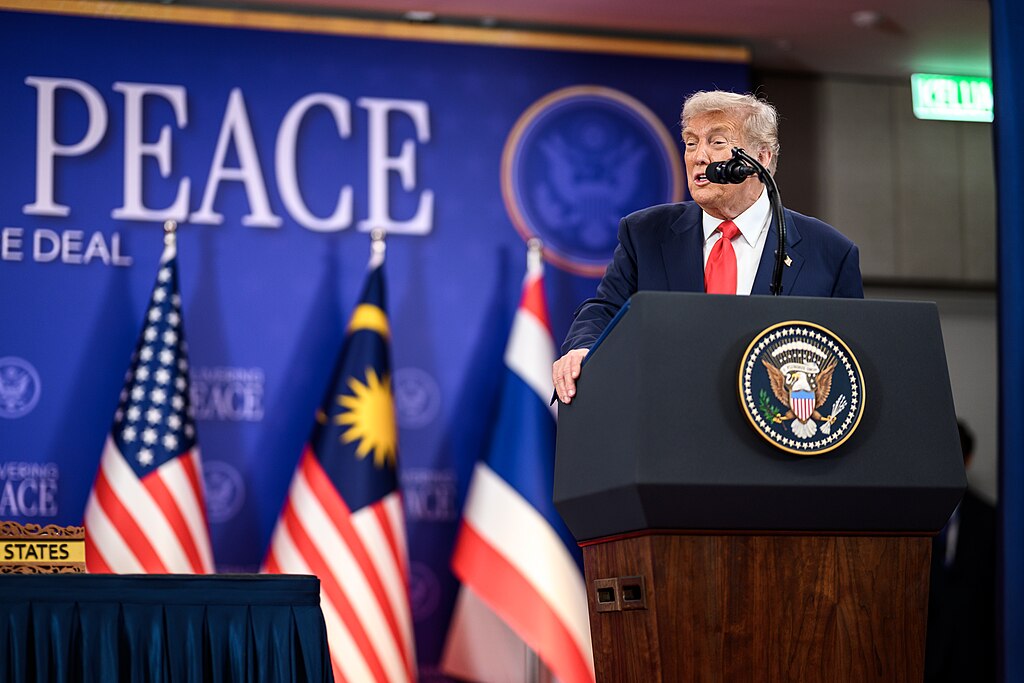
President Donald Trump has agreed to wind down the controversial immigration enforcement effort known as “Operation Metro Surge” in Minnesota, marking a rare policy reversal amid mounting protests and bipartisan criticism. The announcement was made by White House border czar Tom Homan, who confirmed that many of the immigration agents deployed to the state will return to their home jurisdictions within the coming week.
Operation Metro Surge, described by Trump as the largest deportation operation in U.S. history, brought approximately 3,000 armed immigration agents to Minnesota by late January. The move was intended to accelerate migrant deportations and strengthen public safety. However, the operation sparked intense opposition from Minnesota Governor Tim Walz, Minneapolis Mayor Jacob Frey, and thousands of residents who staged large-scale protests across major cities.
Tensions escalated after two U.S. citizens, Renee Good and Alex Pretti, were fatally shot by federal immigration agents during separate incidents in Minneapolis. The deaths deepened the political crisis surrounding the deportation surge and drew scrutiny from federal judges, who reprimanded Immigration and Customs Enforcement (ICE) officials for allegedly defying court orders related to detainee releases.
Public opinion also appeared to shift. Reuters/Ipsos polling in January indicated declining support for Trump’s immigration agenda as enforcement actions expanded nationwide. Even some Republican lawmakers voiced concerns, including Senator Rand Paul, who criticized administration officials for initially labeling the two deceased Americans as “domestic terrorists,” warning that such statements undermined public trust.
Before the surge, Minnesota had about 150 immigration agents. A week ago, Homan announced that 700 agents would be withdrawn, and he has now confirmed that additional personnel will leave. State leaders remain cautious, with ongoing investigations into federal actions during the operation.
While the administration cites improved coordination with Minnesota law enforcement, local officials argue cooperation was already in place. Community advocates say the social and economic impact of the deportation surge will linger, even as the federal presence scales back.







